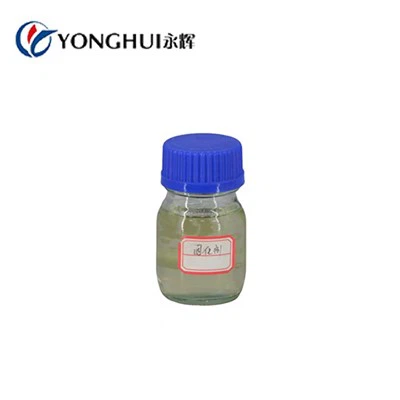


In the realm of chemical compounds, Methyl Tetrahydrophthalic Anhydride (MTHPA) has emerged as a substance of significant interest due to its wide - ranging applications. As a supplier of MTHPA, I've had the opportunity to closely observe the market trends and research activities surrounding this chemical. This blog aims to explore whether there are any research institutions working on MTHPA, shedding light on the scientific endeavors that could shape its future.
Understanding MTHPA
MTHPA, also known as Tetrahydromethyl - 1,3 - isobenzofurandione, is a key ingredient in various industrial processes. It is widely used in the production of epoxy resins, where it serves as a curing agent. Epoxy resins cured with MTHPA exhibit excellent mechanical and electrical properties, making them suitable for applications in electrical insulation, composites, and coatings.
The chemical formula of MTHPA is (C_9H_{10}O_3), and its molecular structure gives it unique reactivity and solubility characteristics. It is a colorless to pale - yellow liquid with a relatively low viscosity, which is beneficial for processing in industrial settings.
Research Institutions and Their Interests
There are indeed several research institutions actively engaged in studying MTHPA. These institutions are driven by a variety of factors, including the need to improve the performance of MTHPA - based products, understand its environmental impact, and develop new applications.
Academic Institutions
Universities around the world have research groups focused on polymer science and materials engineering, where MTHPA plays a role. For example, some European universities are conducting research on optimizing the curing process of epoxy resins using MTHPA. By studying the reaction kinetics and mechanisms, they aim to develop more efficient curing methods that can reduce production time and energy consumption.


In Asia, research teams are exploring the use of MTHPA in bio - based epoxy resins. With the growing demand for sustainable materials, these researchers are looking for ways to incorporate renewable resources into epoxy formulations while still maintaining the desirable properties provided by MTHPA. This involves modifying the molecular structure of MTHPA or combining it with other bio - based components.
Government - funded Research Centers
Government - funded research centers often have a broader focus on environmental and safety aspects related to chemicals like MTHPA. They conduct studies on the toxicity and environmental fate of MTHPA to ensure its safe use in industrial applications. These centers also work on developing regulations and guidelines for handling and disposing of MTHPA to minimize its impact on human health and the environment.
For instance, some research centers are investigating the long - term effects of MTHPA exposure on workers in industries that use this chemical. By conducting epidemiological studies and laboratory experiments, they can assess the potential risks associated with inhalation, skin contact, and ingestion of MTHPA.
Industrial Research Laboratories
Many chemical companies have their own research laboratories dedicated to advancing the use of MTHPA. These laboratories are focused on product development and innovation. They work on improving the quality and purity of MTHPA, as well as developing new grades with enhanced properties.
For example, some industrial research teams are working on developing MTHPA with a higher degree of isomer purity. Different isomers of MTHPA can have different effects on the properties of the final product, so by isolating and using specific isomers, they can tailor the performance of epoxy resins for specific applications.
Research Areas and Findings
Performance Enhancement
One of the main research areas is enhancing the performance of MTHPA - cured epoxy resins. Researchers have found that by adding certain additives or modifiers to the MTHPA - epoxy system, they can improve the toughness, heat resistance, and chemical resistance of the cured resins. For example, the addition of nanomaterials such as carbon nanotubes or silica nanoparticles can significantly enhance the mechanical properties of the epoxy composite.
Environmental Impact
Another important area of research is the environmental impact of MTHPA. Studies have shown that MTHPA has a relatively low volatility, which reduces the risk of air pollution during its use. However, its biodegradability and persistence in the environment are still being investigated. Some research indicates that under certain conditions, MTHPA can be biodegraded by microorganisms, but more research is needed to fully understand the factors that affect its biodegradation rate.
New Applications
Researchers are also exploring new applications for MTHPA. In the field of 3D printing, for example, MTHPA - based epoxy resins are being considered for use in high - performance printed parts. The ability of MTHPA - cured epoxy resins to have good mechanical properties and dimensional stability makes them a promising candidate for this emerging technology.
Our Role as a Supplier
As a supplier of Methyl Tetrahydrophthalic Anhydride, we closely follow the research findings related to MTHPA. We use this knowledge to improve the quality of our products and provide better technical support to our customers.
We collaborate with research institutions to stay at the forefront of the latest developments in MTHPA technology. By participating in research projects and sharing our industry experience, we can contribute to the advancement of the field.
Our product portfolio includes different grades of MTHPA to meet the diverse needs of our customers. Whether they are looking for a high - purity grade for electrical insulation applications or a more cost - effective grade for general - purpose coatings, we can provide the appropriate solution.
Conclusion
The research on MTHPA is a dynamic and evolving field. With the efforts of academic institutions, government - funded research centers, and industrial research laboratories, we can expect to see continuous improvements in the performance, environmental friendliness, and applications of MTHPA.
As a supplier, we are committed to providing high - quality MTHPA products and supporting our customers in their projects. If you are interested in purchasing MTHPA or have any questions about its applications, please feel free to contact us for further discussion and negotiation. We look forward to working with you to meet your specific needs.
References
- "Polymer Science and Engineering" textbooks from leading publishers.
- Research papers published in journals such as "Journal of Polymer Science", "Composites Science and Technology", and "Environmental Science & Technology".
- Reports from government - funded research centers on chemical safety and environmental impact.