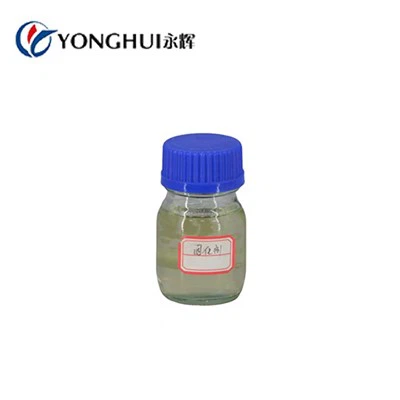


Hey there! As a supplier of Injection Epoxy Resin, I often get asked this question: "Can injection epoxy resin be painted over?" Well, let's dive right into it and explore this topic in detail.
First off, let's understand what injection epoxy resin is. Injection Epoxy Resin is a high - performance material known for its excellent adhesion, chemical resistance, and mechanical properties. It's widely used in various industries, especially in electronics, where it's used for encapsulation, potting, and bonding applications. You can find more about it on our website Injection Epoxy Resin.
Now, back to the main question. The short answer is yes, injection epoxy resin can generally be painted over, but there are several factors you need to consider before doing so.


Surface Preparation
One of the most crucial steps is surface preparation. The epoxy resin surface must be clean, dry, and free of any contaminants such as dust, grease, or oil. If the surface isn't properly prepared, the paint won't adhere well, and you might end up with peeling or flaking paint. You can use a mild detergent and water to clean the surface, followed by a thorough rinse and drying. Sanding the surface slightly can also help the paint adhere better. This creates a rough texture that gives the paint something to grip onto.
Compatibility
Not all paints are compatible with injection epoxy resin. You need to choose a paint that is specifically formulated to bond with epoxy surfaces. Acrylic - based paints are often a good choice as they tend to adhere well to epoxy. Before applying the paint to the entire surface, it's a good idea to do a small test patch in an inconspicuous area. This way, you can check for any signs of incompatibility, such as bubbling, cracking, or discoloration.
Curing Time
The curing time of the injection epoxy resin is another important factor. You should wait until the epoxy has fully cured before painting over it. This can take anywhere from a few hours to several days, depending on the type of epoxy resin and the environmental conditions. If you paint over the epoxy too soon, the paint might react with the uncured resin, leading to poor adhesion and a compromised finish.
Environmental Conditions
The environment in which you paint also matters. The temperature and humidity levels can affect the drying and curing process of both the epoxy resin and the paint. Most paints work best in a temperature range of 60 - 80°F (15 - 27°C) and a relative humidity of around 40 - 60%. Painting in extreme conditions can result in uneven drying, poor adhesion, or other issues.
Benefits of Painting Over Injection Epoxy Resin
There are several reasons why you might want to paint over injection epoxy resin.
Aesthetics
Painting can enhance the appearance of the epoxy - coated surface. You can choose a color that matches your design or branding requirements, giving the product a more professional and finished look.
Protection
In addition to aesthetics, paint can provide an extra layer of protection. It can help protect the epoxy resin from UV radiation, which can cause yellowing and degradation over time. It can also offer some resistance to scratches and abrasions.
Applications in the Electronics Industry
In the electronics industry, injection epoxy resin is commonly used for encapsulating components, such as Transformer Epoxy Resin and Transformers Epoxy Resin Hardener. Painting over the epoxy can have specific benefits in this context.
For example, in transformers, a painted epoxy surface can help with heat dissipation. Some paints are formulated to have good thermal conductivity, which can help transfer heat away from the encapsulated components more efficiently. It can also provide an additional barrier against moisture and dust, which can be harmful to the electronic components.
Tips for Painting Over Injection Epoxy Resin
- Use a Primer: Applying a primer designed for epoxy surfaces can significantly improve the adhesion of the paint. It creates a bond between the epoxy and the paint, ensuring a long - lasting finish.
- Apply Thin Coats: Instead of applying one thick coat of paint, it's better to apply multiple thin coats. This allows each coat to dry properly and reduces the risk of drips and runs.
- Let it Dry Completely: After each coat of paint, make sure to let it dry completely before applying the next one. Follow the manufacturer's instructions for drying times.
Conclusion
So, to sum it up, injection epoxy resin can be painted over, but it requires proper surface preparation, compatible paint, and the right environmental conditions. By following these guidelines, you can achieve a great - looking and durable finish.
If you're in the market for high - quality injection epoxy resin, Injection Epoxy Resin is the way to go. We offer a wide range of epoxy resin products to meet your specific needs. Whether you're in the electronics industry or any other field that requires reliable encapsulation and bonding solutions, we've got you covered.
If you have any questions or are interested in purchasing our products, feel free to reach out. Our team of experts is always ready to assist you with your inquiries and guide you through the procurement process. Let's work together to find the best epoxy resin solution for your project!
References
- Epoxy Resin Handbook: A Comprehensive Guide to Epoxy Resin Applications
- Paint and Coating Technology Manual
- Electronics Encapsulation and Potting Best Practices