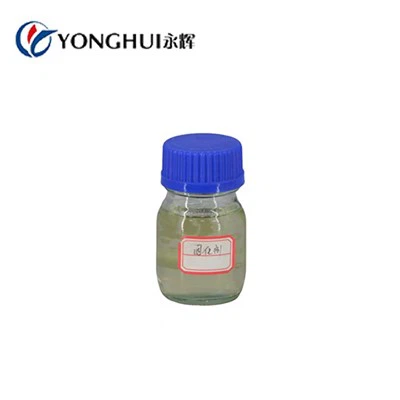


Hey there! As a supplier of Injection Epoxy Resin, I often get asked whether injection epoxy resin can be thinned. Well, let's dive right into this topic and explore the ins and outs of thinning injection epoxy resin.
First off, what is injection epoxy resin? It's a type of epoxy resin that's designed for injection applications. We've got different kinds, like Electrical Insulating Epoxy Resin, Casting Epoxy Resin, and Electrical Epoxy Resin. Each has its own unique properties and uses, but they all share the common feature of being used in injection processes.
Now, back to the question: Can injection epoxy resin be thinned? The short answer is yes, it can. But there's a lot more to it than just that simple yes.
There are a few reasons why you might want to thin injection epoxy resin. One of the main reasons is to improve its flowability. Sometimes, the resin can be too thick to flow easily into small spaces or through narrow channels during the injection process. By thinning it, you can make it easier to work with and ensure that it fills all the necessary areas evenly.
Another reason could be to adjust the curing time. Thinning the resin can sometimes slow down the curing process, which can be beneficial if you need more time to work with the resin before it sets.
So, how do you thin injection epoxy resin? There are a couple of methods. One common way is to use a solvent. Solvents can break down the resin molecules and reduce its viscosity, making it thinner. However, using solvents has its pros and cons.
On the plus side, solvents are readily available and can be very effective at thinning the resin. They can quickly and easily reduce the viscosity to the desired level. But there are also some downsides. Using solvents can affect the properties of the cured resin. For example, it can reduce the strength and durability of the final product. Solvents can also be flammable and toxic, so you need to take proper safety precautions when using them.
Another method is to use a special epoxy thinner. These are specifically designed for use with epoxy resins and are formulated to thin the resin without significantly affecting its properties. Epoxy thinners are usually more expensive than solvents, but they offer better control over the thinning process and are generally safer to use.
When using either a solvent or an epoxy thinner, it's important to follow the manufacturer's instructions carefully. Adding too much thinner can cause the resin to become too thin and lose its structural integrity. On the other hand, adding too little won't achieve the desired thinning effect.
It's also crucial to note that not all injection epoxy resins are the same. Some resins are more compatible with thinners than others. Before you start thinning your resin, it's a good idea to do a small test batch to see how the resin reacts to the thinner. This will help you determine the right amount of thinner to use and ensure that the final product meets your requirements.
Let's talk about the potential effects of thinning on the performance of the injection epoxy resin. As I mentioned earlier, thinning the resin can affect its properties. The strength of the cured resin is one of the most important properties that can be impacted. If the resin is thinned too much, the bonds between the resin molecules can be weakened, resulting in a weaker final product.
The chemical resistance of the resin can also be affected. Solvents or thinners can change the chemical composition of the resin, making it more susceptible to damage from chemicals.
In addition, the appearance of the cured resin can be altered. Thinning the resin might cause it to have a different finish or clarity. This might not be a big deal in some applications, but in others where the appearance is important, it could be a problem.
When it comes to choosing the right thinner for your injection epoxy resin, there are a few factors to consider. First, think about the properties of the resin itself. As I said before, some resins are more compatible with certain thinners than others. You also need to consider the intended use of the final product. If you need a strong and durable product, you'll want to choose a thinner that won't significantly reduce the resin's strength.
The curing time is another important factor. If you need a fast - curing resin, you'll want to choose a thinner that doesn't slow down the curing process too much.


Now, let's take a look at some real - world examples of when thinning injection epoxy resin is useful. In the electronics industry, injection epoxy resin is often used for encapsulating electronic components. These components can have very small and intricate designs, and the resin needs to flow into all the tiny spaces around the components. Thinning the resin can ensure that it fills these spaces properly and provides good insulation.
In the manufacturing of molds, injection epoxy resin is used to create detailed and accurate molds. Thinning the resin can help it flow smoothly into the mold cavities, resulting in a more precise and high - quality mold.
But again, you need to be careful when thinning the resin in these applications. You don't want to compromise the performance of the final product.
In conclusion, injection epoxy resin can be thinned, and there are valid reasons for doing so. Whether it's to improve flowability or adjust the curing time, thinning can be a useful technique. However, it's important to understand the potential effects on the resin's properties and to choose the right method and amount of thinning.
If you're in the market for injection epoxy resin or have any questions about thinning it, I'd love to hear from you. As a supplier, I have a wealth of knowledge and experience in this area, and I'm more than happy to help you find the right solution for your needs. Whether you're working on a small DIY project or a large - scale industrial application, we can provide you with the high - quality injection epoxy resin and the guidance you need. So, don't hesitate to reach out and start a conversation about your requirements.
References
- General knowledge and experience in the epoxy resin industry
- Product manuals and technical data sheets from epoxy resin manufacturers