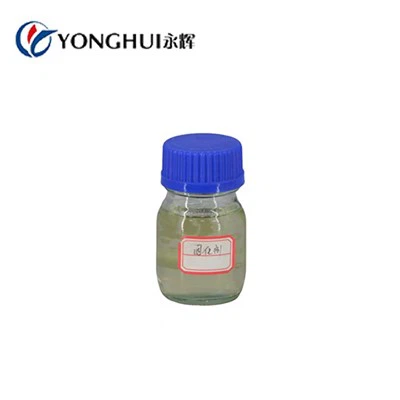


Hey there! As a supplier of Injection Epoxy Resin, I often get asked if this stuff can be used for making molds. Well, let's dive right into it and find out.
First off, what exactly is injection epoxy resin? It's a type of resin that's designed to be injected into a cavity or a mold. It has some pretty cool properties. It can cure at room temperature or with a little bit of heat, and it forms a really strong and durable material once it's set.
Now, can it be used for making molds? The short answer is yes, but there are a few things you need to consider.


Advantages of Using Injection Epoxy Resin for Molds
One of the biggest advantages is its strength. Injection epoxy resin can create molds that are tough as nails. They can withstand a lot of wear and tear, which is great if you're planning to use the mold for multiple casting sessions. For example, if you're making small figurines or jewelry pieces, a mold made from injection epoxy resin can handle the repeated pouring of casting materials like wax or resin without getting damaged easily.
Another plus is its versatility. You can use injection epoxy resin to make molds of all sorts of shapes and sizes. Whether it's a simple geometric shape or a highly detailed sculpture, the resin can capture all the fine details. This is because it has a low viscosity when it's in its liquid state, which means it can flow easily into every nook and cranny of the original model.
It also has good chemical resistance. This means that the mold won't be affected by the chemicals in the casting materials you're using. So, if you're using a casting resin that has some strong solvents or other chemicals in it, the injection epoxy resin mold will stay intact.
Disadvantages and Challenges
However, it's not all sunshine and rainbows. One of the main challenges is the cost. Injection epoxy resin can be a bit pricey compared to some other mold - making materials like silicone. If you're on a tight budget, this might be a deal - breaker.
The curing time can also be a bit of a pain. Depending on the type of injection epoxy resin you're using, it can take anywhere from a few hours to a couple of days to fully cure. This means you have to be patient and plan your production schedule accordingly.
Another thing to watch out for is the shrinkage. When the injection epoxy resin cures, it can shrink slightly. This might not be a big deal for some applications, but for others where precision is crucial, like in the aerospace or medical industries, even a small amount of shrinkage can cause problems.
Steps to Make a Mold with Injection Epoxy Resin
If you've decided to go ahead and use injection epoxy resin to make a mold, here's a basic step - by - step guide:
- Prepare the original model: Make sure your original model is clean and free of any dust or debris. You might also want to apply a release agent to it to make it easier to remove the mold later.
- Build the mold box: This is a container that will hold the injection epoxy resin while it cures. It should be slightly larger than the original model to allow for some extra resin around the edges.
- Mix the resin: Follow the manufacturer's instructions carefully when mixing the resin and the hardener. Make sure you mix them thoroughly to ensure a proper cure.
- Inject the resin: Use a syringe or an injection gun to carefully inject the resin into the mold box around the original model. Try to avoid creating any air bubbles.
- Let it cure: Once the resin is injected, let it cure according to the recommended time. You can speed up the curing process by applying a little bit of heat, but be careful not to overheat it.
- Remove the mold: After the resin has fully cured, carefully remove the mold from the mold box and the original model. You might need to use a release agent or a little bit of force, but be gentle to avoid damaging the mold.
Applications of Molds Made from Injection Epoxy Resin
There are tons of applications for molds made from injection epoxy resin. In the art and craft world, it's used to make molds for jewelry, figurines, and decorative items. In the manufacturing industry, it can be used to make molds for small parts like gears or connectors.
In the electronics industry, Electrical Epoxy Resin can be used to make molds for encapsulating electronic components. This helps protect the components from moisture, dust, and other environmental factors. Tranformer Epoxy Resin is also used in the production of transformers, where the mold can ensure the proper shape and insulation of the transformer parts. And Casting Epoxy Resin is great for making molds for casting all sorts of materials.
Conclusion
So, in conclusion, injection epoxy resin can definitely be used for making molds. It has its advantages and disadvantages, but if you're willing to deal with the challenges, it can be a great choice. Whether you're a hobbyist or a professional manufacturer, it's worth considering using injection epoxy resin for your mold - making needs.
If you're interested in purchasing injection epoxy resin for your mold - making projects, feel free to reach out to us. We're here to help you choose the right product and answer any questions you might have. Let's start a conversation and see how we can work together to meet your mold - making requirements.
References
- "Epoxy Resins: Chemistry and Technology" by Clayton A. May
- "Mold - Making Basics" by various authors in the art and manufacturing industry publications