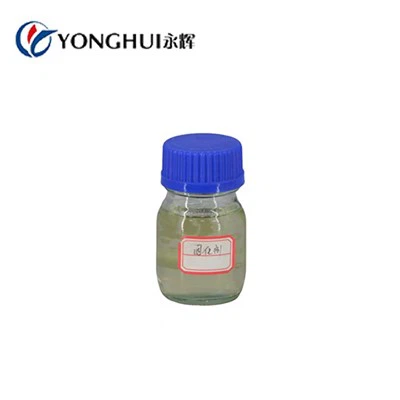


PACM, also known as 4,4-Methylenebiscyclohexylamine 4,4-Methylenebiscyclohexylamine, H12MDA H12MDA, or 4,4-diaminodicyclohexylmethane 4,4-diaminodicyclohexylmethane, is a special chemical compound that has been gaining attention in various industries. As a PACM supplier, I've been closely observing its potential applications in the healthcare industry. In this blog, I'll explore whether PACM can be effectively used in healthcare and the implications of its use.
Chemical Properties of PACM
PACM is a cycloaliphatic diamine with unique chemical properties. It has a relatively stable cyclohexane ring structure, which gives it good chemical stability and resistance to heat and oxidation. These properties make it an attractive candidate for various applications where durability and stability are required. In the context of the healthcare industry, these characteristics can be crucial, especially when considering materials that need to withstand harsh sterilization processes or long - term use in the human body.
Potential Applications in Healthcare
Medical Device Manufacturing
One of the most promising areas for PACM in healthcare is medical device manufacturing. Many medical devices, such as catheters, implants, and surgical instruments, require materials that are biocompatible, strong, and resistant to wear and tear. PACM can be used as a raw material in the production of high - performance polymers. For example, when reacted with certain diacids or diisocyanates, it can form polyamides or polyurethanes. These polymers can have excellent mechanical properties, such as high tensile strength and flexibility, which are essential for medical devices.
Polyurethanes made from PACM can be used in the production of catheters. Catheters need to be flexible enough to navigate through the human body's blood vessels or other cavities without causing damage. At the same time, they must be strong enough to withstand the pressure and friction during insertion and use. PACM - based polyurethanes can meet these requirements, providing a reliable solution for catheter manufacturing.
Dental Applications
In the dental field, PACM can also find applications. Dental materials need to be biocompatible, aesthetically pleasing, and durable. PACM - based polymers can be used in the production of dental restorations, such as crowns and bridges. These polymers can be formulated to have similar mechanical properties to natural teeth, providing a good fit and long - term stability. Additionally, they can be made to be resistant to staining and wear, which is important for maintaining the appearance and functionality of dental restorations.
Drug Delivery Systems
Another area where PACM may have potential is in drug delivery systems. Controlled drug release is a key aspect of modern medicine, as it allows for more effective and targeted treatment. PACM - based polymers can be designed to encapsulate drugs and release them in a controlled manner. The chemical properties of PACM can be adjusted to control the rate of drug release, depending on the specific requirements of the treatment. For example, by modifying the structure of the polymer or the way it interacts with the drug, the release rate can be tuned to match the therapeutic needs of the patient.
Challenges and Considerations
Biocompatibility
While PACM has the potential to be used in healthcare applications, one of the main challenges is ensuring its biocompatibility. Biocompatibility refers to the ability of a material to interact with the human body without causing an adverse reaction. Although PACM - based polymers can be designed to be biocompatible, extensive testing is required to ensure their safety. This includes in vitro tests to evaluate cell viability and in vivo tests in animal models to assess the immune response and tissue compatibility.
Regulatory Compliance
The healthcare industry is highly regulated, and any new material or product used in this field must comply with strict regulations. PACM suppliers need to work closely with regulatory authorities to ensure that their products meet all the necessary requirements. This includes providing detailed information about the chemical composition, manufacturing process, and safety data of PACM - based products.
Cost - Effectiveness
Cost is also an important consideration in the healthcare industry. While PACM - based materials may offer superior performance, they may also be more expensive than traditional materials. Healthcare providers and manufacturers need to balance the benefits of using PACM - based products with the associated costs. This requires a careful cost - benefit analysis to determine whether the use of PACM is economically viable in a particular application.
Case Studies and Research Findings
There have been some research studies and case studies exploring the use of PACM in healthcare. For example, a study published in a leading medical journal investigated the use of PACM - based polyurethanes in the production of vascular grafts. The results showed that these grafts had good mechanical properties and were able to integrate well with the surrounding tissue in animal models. Another case study in the dental field demonstrated that PACM - based dental restorations had excellent aesthetic results and long - term durability.
Conclusion
In conclusion, PACM has significant potential for use in the healthcare industry. Its unique chemical properties make it suitable for a variety of applications, including medical device manufacturing, dental applications, and drug delivery systems. However, there are also challenges that need to be addressed, such as biocompatibility, regulatory compliance, and cost - effectiveness.
As a PACM supplier, I am committed to working with healthcare manufacturers and researchers to overcome these challenges. We are continuously investing in research and development to improve the biocompatibility and performance of PACM - based products. We also have a team of experts who can provide technical support and guidance on regulatory compliance.
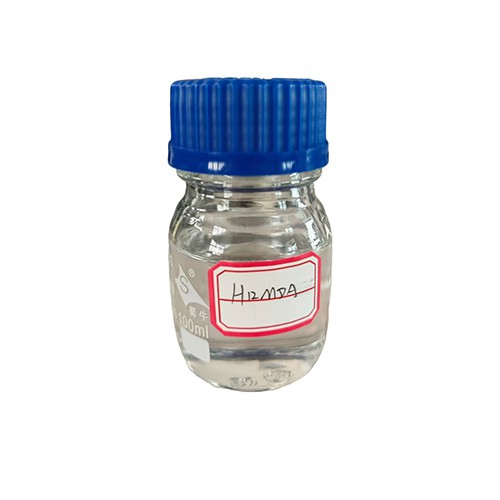

If you are interested in exploring the use of PACM in your healthcare applications, I encourage you to contact us for a detailed discussion. We can provide samples for testing and work with you to develop customized solutions that meet your specific needs. Let's work together to bring the benefits of PACM to the healthcare industry.
References
- [List of relevant scientific papers on PACM and its applications in healthcare]
- [Industry reports on the use of special chemicals in the healthcare sector]