

Hey there! As a supplier of transformer raw materials, I've seen firsthand how crucial it is to pick the right materials for a specific transformer application. It's not just about grabbing whatever's on the shelf; it's about understanding the unique needs of the transformer and matching them with the best raw materials. So, let's dive into how you can select the appropriate raw materials for a specific transformer application.
Understanding the Transformer's Requirements
First things first, you gotta understand what the transformer is supposed to do. Different applications have different demands. For example, a transformer used in a power grid will have different requirements compared to one used in a small electronic device.
-
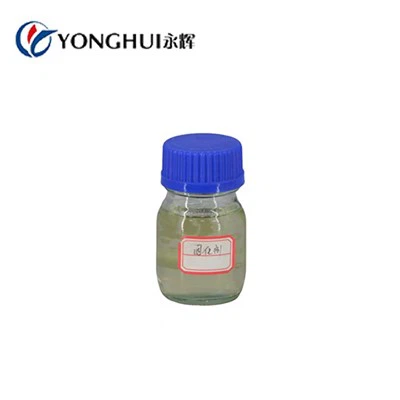
Voltage and Current Ratings: The voltage and current ratings of the transformer are key factors. High - voltage transformers need materials that can withstand high electrical stress. Insulating materials play a huge role here. We offer Transformers Epoxy Resin Hardener which is great for high - voltage applications. It provides excellent electrical insulation and mechanical strength, ensuring the transformer can handle the high - voltage environment without breakdowns.
-
Frequency: The operating frequency of the transformer also matters. Transformers used in high - frequency applications require materials with low losses at those frequencies. Some magnetic materials, like certain types of ferrite cores, are better suited for high - frequency transformers compared to traditional iron cores.
-
Environmental Conditions: Where the transformer will be located is important. If it's in a harsh environment, such as a factory with high humidity or a coastal area with saltwater exposure, you need materials that are resistant to corrosion and moisture. Our Injection Epoxy Resin can be used to encapsulate components, protecting them from environmental factors.
Core Materials
The core is like the heart of the transformer. It affects the efficiency and performance of the transformer.
- Silicon Steel: This is a common core material for power transformers. It has low core losses and good magnetic properties at power frequencies (usually 50 or 60 Hz). The grain - oriented silicon steel is even better as it has a preferred direction of magnetization, which reduces losses further. When selecting silicon steel, you need to consider the thickness of the laminations. Thinner laminations generally result in lower eddy - current losses.
- Ferrite: As mentioned earlier, ferrite cores are great for high - frequency transformers. They have high resistivity, which means lower eddy - current losses at high frequencies. Ferrite cores are also lightweight and can be made in different shapes and sizes, making them suitable for a variety of applications, like in switch - mode power supplies.
Conductive Materials
The conductive materials in a transformer are used to carry the electrical current.
- Copper: Copper is a popular choice for transformer windings because of its high electrical conductivity. It has low resistance, which means less power is lost as heat during the operation of the transformer. Copper is also relatively easy to work with, allowing for the production of fine - gauge wires for high - turn windings.
- Aluminum: Aluminum is another option. It's lighter and cheaper than copper, but it has lower conductivity. So, if weight and cost are major factors and the performance requirements allow, aluminum can be a good choice. However, you need to be careful with the connections as aluminum can form an oxide layer that may increase the resistance at the joints.
Insulating Materials
Insulation is crucial to prevent electrical short - circuits and ensure the safety of the transformer.
- Epoxy Resins: We offer different types of epoxy resins for transformer applications. Casting Epoxy Resin is used to cast the entire transformer or its components. It provides excellent insulation, mechanical protection, and can be formulated to have different properties, such as high heat resistance or good chemical resistance.
- Paper and Oil: Traditional power transformers often use paper as an insulation material along with insulating oil. The paper provides electrical insulation, and the oil helps in cooling and further enhancing the insulation properties. The quality of the paper and the type of oil need to be carefully selected based on the transformer's requirements.
Making the Selection
When you're selecting the raw materials, it's a good idea to work closely with a supplier like us. We have the expertise and experience to help you make the right choices. You can provide us with the detailed specifications of your transformer application, such as the voltage, current, frequency, and environmental conditions.
We can then recommend the most suitable materials based on your needs. For example, if you're building a high - frequency, low - power transformer for a consumer electronics device, we might suggest using a ferrite core and our Transformers Epoxy Resin Hardener for insulation.
Cost - Benefit Analysis
Of course, cost is always a factor. But you can't just go for the cheapest materials. You need to do a cost - benefit analysis. Sometimes, spending a little more on high - quality materials can result in a more efficient and reliable transformer in the long run. A transformer with lower losses will save energy over its lifetime, which can offset the initial higher cost of the materials.


Conclusion
Selecting the appropriate raw materials for a specific transformer application is a complex but important process. It involves understanding the transformer's requirements, considering different types of materials for the core, conductors, and insulation, and doing a cost - benefit analysis.
If you're in the market for transformer raw materials, don't hesitate to reach out to us. We're here to help you find the best materials for your application. Whether you're working on a small - scale project or a large - scale power grid transformer, we have the solutions you need.
References
- "Transformer Engineering: Design, Technology, and Diagnostics" by L. E. Zaky
- "Handbook of Transformer Technology: Design and Application" by Ralph L. Singleterry