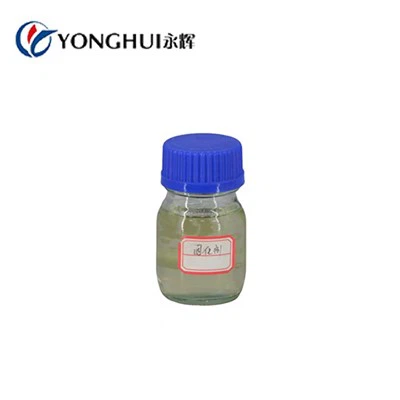
Hey there! As a supplier of MDA - 60 (4,4 - Methylenedianiline), I'm super stoked to share with you how this amazing compound can seriously level up the properties of rubber. So, let's dive right in!
What's MDA - 60 All About?
First things first, MDA - 60, also known as 4,4 - Methylenedianiline, is a key player in the world of special chemicals. It's a type of aromatic diamine that's widely used in various industrial applications, especially in the rubber industry. You can learn more about it on this page 4,4′-Methylenedi-Aniline.
Improving Tensile Strength
One of the most significant ways MDA - 60 improves rubber properties is by boosting its tensile strength. Tensile strength is basically how much pulling force a material can withstand before it breaks. When we add MDA - 60 to rubber, it forms strong chemical bonds within the rubber matrix. These bonds act like little bridges, holding the rubber molecules together more tightly.
Imagine a rubber band. Without MDA - 60, it might snap easily when you stretch it. But with the addition of MDA - 60, the rubber band becomes much stronger and can handle more stretching without breaking. This is crucial in applications where rubber needs to endure high stress, like in automotive tires or industrial belts.
Enhancing Heat Resistance
Heat is the enemy of many rubber products. High temperatures can cause rubber to soften, lose its shape, and even break down over time. But MDA - 60 comes to the rescue here. It helps to increase the cross - linking density of the rubber. Cross - linking is like creating a net - like structure within the rubber, where the molecules are connected in multiple places.
This increased cross - linking makes the rubber more resistant to heat. For example, in engine seals, where temperatures can get really high, rubber treated with MDA - 60 can maintain its integrity and performance for a longer time. It won't melt or deform as easily, which means less maintenance and longer service life for the parts.
Improving Chemical Resistance
Rubber is often exposed to various chemicals in different environments. These chemicals can react with the rubber and degrade its properties. MDA - 60 helps to improve the chemical resistance of rubber. It forms a protective layer around the rubber molecules, preventing chemicals from easily attacking and breaking them down.
In industries like chemical processing or oil and gas, where rubber parts are in constant contact with harsh chemicals, using MDA - 60 - treated rubber can make a huge difference. It can withstand exposure to acids, bases, and solvents better, reducing the risk of leaks and failures.
Increasing Abrasion Resistance
Abrasion is another common problem for rubber products. When rubber rubs against other surfaces, it can wear down over time. MDA - 60 can improve the abrasion resistance of rubber. By strengthening the rubber matrix and increasing its hardness, it can better resist the friction and wear caused by contact with other materials.
For example, in conveyor belts that carry heavy materials, the rubber needs to be able to withstand the constant rubbing against the rollers and the materials being transported. MDA - 60 - enhanced rubber can last much longer in such applications, reducing the need for frequent replacements.
Comparing with MDA - 100 and Z - 133
You might be wondering how MDA - 60 compares with other related products like MDA - 100(4,4 - Methylenedianiline) and Z - 133 Expoxy Resin Curing Agent. Well, MDA - 100 has a higher purity level compared to MDA - 60. While both can improve rubber properties, MDA - 100 might offer even more enhanced performance in some cases, but it also comes at a higher cost.
Z - 133, on the other hand, is mainly used as an epoxy resin curing agent. Although it has its own unique properties and applications, it's not directly comparable to MDA - 60 in terms of rubber improvement. MDA - 60 is specifically designed to work with rubber and bring out the best in its properties.
Applications in Different Industries
The benefits of MDA - 60 - enhanced rubber are evident in a wide range of industries. In the automotive industry, it's used in tires, seals, and hoses. Tires need to have high tensile strength, heat resistance, and abrasion resistance to ensure safe and efficient driving. Seals and hoses need to be able to withstand high temperatures and chemical exposure.
In the construction industry, rubber gaskets and seals treated with MDA - 60 are used to prevent water leakage and provide insulation. These gaskets need to be durable and resistant to environmental factors like heat, cold, and moisture.


In the aerospace industry, where reliability is of utmost importance, MDA - 60 - improved rubber is used in various components. It can withstand the extreme conditions of flight, including high - altitude temperatures and pressure changes.
The Future of MDA - 60 in the Rubber Industry
As industries continue to demand higher - performance rubber products, the role of MDA - 60 is only going to become more important. Researchers are constantly looking for ways to optimize its use and further improve the properties of rubber.
New applications are also being explored. For example, in the emerging field of wearable technology, where flexible and durable rubber components are needed, MDA - 60 could play a key role in developing rubber materials that can meet the unique requirements of these devices.
Why Choose Our MDA - 60?
As a supplier, we take pride in offering high - quality MDA - 60. Our product is carefully manufactured to ensure consistent quality and performance. We have a team of experts who can provide technical support and advice on how to best use MDA - 60 in your rubber applications.
Whether you're a small - scale manufacturer or a large - scale industrial company, we can meet your needs. We offer competitive pricing and reliable delivery services. So, if you're looking to improve the properties of your rubber products, we're here to help.
Let's Talk!
If you're interested in learning more about how MDA - 60 can improve your rubber products or if you're ready to place an order, don't hesitate to get in touch. We're always happy to have a chat and discuss your specific requirements. Let's work together to take your rubber products to the next level!
References
- "Rubber Technology: Compounding, Processing, and Testing of Rubber" by Werner Hofmann
- "Handbook of Elastomers" edited by A. K. Bhowmick and H. L. Stephens