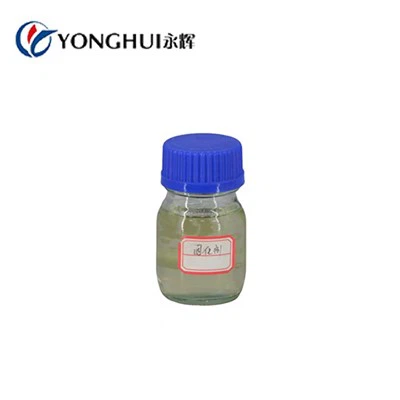


Hey there! I'm a supplier of MTHPA, and today I wanna chat about how MTHPA contributes to sustainable development.
First off, let's quickly introduce what MTHPA is. MTHPA, or Methyl Tetrahydrophthalic Anhydride, also known as Tetrahydromethyl-1,3-isobenzofurandione, is a crucial chemical compound. You can learn more about Phthalic Anhydride Methyl Tetra Hydro Phthalic Anhydride (MTHPA) on that link. It has a wide range of applications in different industries, and these applications are where its contribution to sustainable development really shines.
1. Energy Efficiency in the Electrical Industry
One of the major areas where MTHPA makes a big impact is in the electrical industry. MTHPA is used as a curing agent for epoxy resins in electrical insulation materials. Electrical equipment like transformers, motors, and generators generate a lot of heat during operation. Good insulation is essential to prevent energy loss and ensure the safe and efficient functioning of these devices.
Epoxy resins cured with MTHPA have excellent thermal resistance and electrical insulation properties. This means that electrical equipment can operate at higher temperatures without significant degradation of the insulation. As a result, the energy efficiency of these devices is improved. When electrical equipment runs more efficiently, it consumes less energy, which in turn reduces the overall energy demand. This is a huge step towards sustainable energy use, as it helps to conserve fossil fuels and reduce greenhouse gas emissions associated with energy production.
2. Durability and Long - Life Products in the Construction Industry
In the construction industry, MTHPA - cured epoxy resins are used for various applications such as flooring, coatings, and adhesives. These materials offer outstanding durability and resistance to wear, chemicals, and environmental factors.
When we use durable materials in construction, we reduce the need for frequent repairs and replacements. For example, MTHPA - based epoxy floor coatings can withstand heavy traffic, abrasion, and chemical spills in industrial and commercial buildings. This means that the floor doesn't need to be replaced as often as traditional flooring materials. The same goes for coatings on structures and adhesives used in building components.
By extending the lifespan of construction materials and products, we save a significant amount of resources. Fewer raw materials are needed for new construction, and less waste is generated from demolition and replacement. This is a key aspect of sustainable development, as it helps to conserve natural resources and reduce the environmental impact of the construction industry.
3. Lightweight and High - Strength Materials in the Transportation Industry
The transportation industry is a major contributor to global emissions. One way to reduce these emissions is by making vehicles lighter. MTHPA - cured epoxy composites are used in the manufacturing of lightweight and high - strength components for cars, airplanes, and trains.
These composites offer a high strength - to - weight ratio, which means that they can replace heavier metal parts without sacrificing strength or safety. For example, in the automotive industry, MTHPA - based composites can be used for body panels, chassis components, and interior parts. When vehicles are lighter, they require less energy to move, whether it's in the form of fuel for cars or electricity for trains.
This reduction in energy consumption leads to lower emissions of greenhouse gases and pollutants. Additionally, the use of composites can also reduce the overall manufacturing energy requirements compared to traditional metal - based manufacturing processes. This dual benefit of energy savings during use and manufacturing makes MTHPA an important ingredient for sustainable transportation.
4. Environmental Benefits in the Production Process
The production process of MTHPA itself has also seen improvements in terms of environmental impact. Manufacturers are increasingly adopting cleaner production technologies. For instance, they are using more efficient catalysts and reaction conditions to reduce waste generation and energy consumption during the synthesis of MTHPA.
Moreover, efforts are being made to recycle and reuse by - products and waste materials from the production process. This not only reduces the amount of waste sent to landfills but also conserves raw materials. By minimizing the environmental footprint of MTHPA production, we are taking another step towards sustainable development.
5. Water - Based and Low - VOC Products
In recent years, there has been a growing demand for environmentally friendly products. MTHPA is being used in the development of water - based and low - volatile organic compound (VOC) epoxy systems.


Traditional solvent - based epoxy products release a large amount of VOCs into the atmosphere during application and drying. VOCs are harmful to human health and contribute to air pollution and the formation of smog. Water - based and low - VOC epoxy systems using MTHPA offer a safer and more sustainable alternative.
These products can be used in various applications such as indoor coatings and adhesives, where air quality is a major concern. By reducing VOC emissions, we improve the indoor and outdoor air quality, which is beneficial for both human health and the environment.
Conclusion and Call to Action
As you can see, MTHPA plays a vital role in sustainable development across multiple industries. Its contributions in terms of energy efficiency, durability, lightweight materials, environmental - friendly production, and low - VOC products are significant steps towards a more sustainable future.
If you're in the market for high - quality MTHPA for your business needs, I'd love to have a chat with you. Whether you're in the electrical, construction, transportation, or any other industry that can benefit from MTHPA, we can discuss how our products can meet your specific requirements. Let's work together to make your operations more sustainable and efficient.
References
- “Epoxy Resins and Their Applications.” Handbook of Polymer Science and Technology.
- “Sustainable Development in the Electrical Industry: The Role of Advanced Insulation Materials.” Journal of Energy and Sustainability.
- “Durable Construction Materials for a Greener Future.” Construction and Building Materials Research.
- “Lightweight Composites in Transportation: A Path to Reduced Emissions.” Transportation Research Journal.
- “Environmental Impact of Chemical Production: Case Study of MTHPA.” Chemical Engineering and Environmental Science.