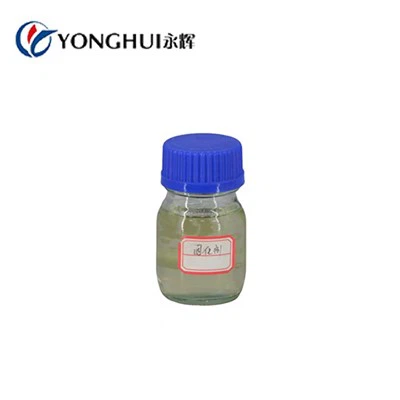


Hey there! As a supplier of Electrical Epoxy Resin, I'm super stoked to share with you how to assemble electrical connectors using this awesome stuff. Electrical epoxy resin is a game - changer in the electrical industry, and it can make your connector assemblies more reliable and durable.
First off, let's talk a bit about what electrical epoxy resin is. It's a type of resin that's specially formulated to have excellent electrical insulation properties. You can check out more about it on our Electrical Epoxy Resin page. There are different types of electrical epoxy resins, like the Two - component Epoxy Resin, which is quite popular for assembling electrical connectors. And if you're working on transformers, we also have Tranformer Epoxy Resin.


Now, let's get into the nitty - gritty of assembling electrical connectors with electrical epoxy resin.
Step 1: Preparation
Before you start slapping on the epoxy resin, you gotta prep the connectors and the work area. First, clean the electrical connectors thoroughly. Any dirt, grease, or oxidation on the connectors can mess up the adhesion of the epoxy resin. You can use a mild solvent or a specialized connector cleaner. Make sure to dry the connectors completely before moving on.
Next, set up your work area. You want a clean, well - ventilated space. Epoxy resin fumes can be a bit strong, so it's a good idea to work near an open window or use a fan. Also, gather all the tools you'll need, like mixing cups, stirrers, and brushes.
Step 2: Mixing the Epoxy Resin
If you're using a two - component epoxy resin (which is super common), you need to mix the resin and the hardener properly. Read the instructions on the product label carefully, as the mixing ratio can vary from one product to another. Usually, it's a matter of pouring the right amounts of resin and hardener into a clean mixing cup.
Use a stirrer to mix the two components thoroughly. You want to make sure there are no streaks or unmixed areas. Keep stirring for at least 2 - 3 minutes. This might seem like a long time, but it's crucial for the epoxy to cure correctly. Once it's well - mixed, you've got a limited amount of time to use it, so don't waste any time.
Step 3: Applying the Epoxy Resin
Now comes the fun part – applying the epoxy resin to the electrical connectors. Dip a small brush into the mixed epoxy resin and start applying it to the areas where you want to assemble the connectors. You can also use a syringe for more precise application, especially if you're working on small connectors.
Make sure to cover the entire area that needs to be bonded. Apply a thin, even layer of epoxy resin. Don't go overboard, as too much resin can cause drips and make a mess. And be careful not to get any epoxy on parts of the connector that you don't want to bond.
Step 4: Assembling the Connectors
Once you've applied the epoxy resin, it's time to put the connectors together. Align the connectors carefully, making sure they fit snugly. Press them together gently but firmly. You might want to use clamps or tape to hold them in place while the epoxy cures.
Let the epoxy resin start to set for a few minutes. This is called the "open time." During this time, you can still make minor adjustments to the alignment of the connectors. But after the open time is up, the epoxy will start to harden, and it'll be much harder to move the connectors.
Step 5: Curing the Epoxy Resin
The curing process is crucial for the strength and durability of the assembled connectors. The curing time can vary depending on the type of epoxy resin you're using and the environmental conditions. Generally, it takes anywhere from a few hours to a full day for the epoxy to cure completely.
Keep the connectors in a warm, dry place during the curing process. Avoid moving or disturbing them, as this can affect the curing and the final bond strength. Some epoxy resins can be accelerated by using a heat source, but again, check the product instructions first.
Step 6: Inspection
Once the epoxy resin has cured, it's time to inspect the assembled connectors. Check for any signs of incomplete bonding, such as gaps or areas where the epoxy didn't spread properly. Also, make sure the connectors are still aligned correctly.
If you find any issues, you might need to repeat the process or make some repairs. But if everything looks good, your connectors are ready to be used.
Tips and Tricks
- Work quickly: As I mentioned earlier, once you mix the epoxy resin, you've got a limited time to use it. So, be organized and have everything ready before you start mixing.
- Use gloves: Epoxy resin can be sticky and hard to clean off your hands. Wear disposable gloves to keep your hands clean.
- Test on a small scale: If you're using a new epoxy resin or working on a critical project, it's a good idea to do a test assembly first. This way, you can get a feel for the product and make sure it works as expected.
Why Choose Our Electrical Epoxy Resin?
Our electrical epoxy resin products are top - notch. They're formulated to provide excellent electrical insulation, high bond strength, and long - term durability. Whether you're a professional electrician or a DIY enthusiast, our products can meet your needs.
We've got a wide range of epoxy resin products, so you can choose the one that's best for your specific application. And our customer support team is always ready to help you if you have any questions or need advice on using our products.
If you're interested in purchasing our electrical epoxy resin, don't hesitate to get in touch with us. We're here to help you with your projects and make sure you get the best results. Whether you're looking for a small quantity for a home project or a large order for a commercial job, we've got you covered.
References
- Product manuals of our Electrical Epoxy Resin, Two - component Epoxy Resin, and Tranformer Epoxy Resin.
- Industry standards and best practices for electrical connector assembly with epoxy resin.