

Is PACM a Global Term?
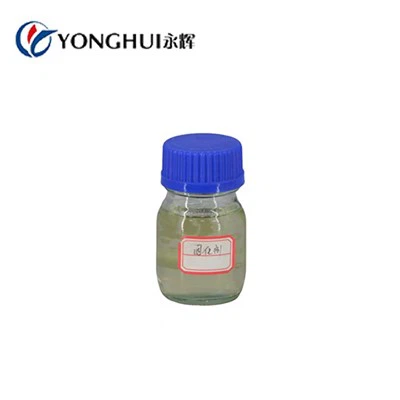
As a supplier of PACM (4,4'-Methylenebis(cyclohexylamine)), I've often pondered whether PACM is truly a global term. PACM is a specialty chemical with a wide range of applications, and understanding its global recognition is crucial for the growth of our business.
PACM, also known as 4,4 - Methylenebiscyclohexylamine or 4,4 - diaminodicyclohexylmethane, has unique chemical properties that make it highly valuable in various industries. It is commonly used in the production of high - performance polymers, such as polyamides and polyurethanes. These polymers are in turn used in automotive parts, electrical insulation, and even in the manufacturing of sports equipment.
Global Market Presence
The use of PACM is widespread across different regions of the world. In North America, the automotive and aerospace industries have a high demand for PACM - based polymers. The need for lightweight yet strong materials in these sectors drives the consumption of PACM. For example, in the automotive industry, PACM - containing polymers are used in the production of engine components and body parts, as they offer excellent mechanical properties and resistance to heat and chemicals.
In Europe, the construction and electronics industries are significant consumers of PACM. In construction, PACM - based materials are used for waterproofing membranes and adhesives. The electronics industry benefits from PACM's insulation properties, using it in the production of circuit boards and cables.
Asia, especially countries like China, Japan, and South Korea, has a booming manufacturing sector. The growth of the plastics and rubber industries in these countries has led to an increased demand for PACM. Chinese manufacturers, in particular, are constantly looking for high - quality PACM to enhance the performance of their products and stay competitive in the global market.
Recognition and Terminology
The term PACM is well - recognized in the chemical and manufacturing industries globally. However, there are also other names used to refer to this chemical. For instance, 4,4 - Methylenebiscyclohexylamine and 4,4 - diaminodicyclohexylmethane are alternative names that are commonly used in technical literature and scientific research.
In some regions, local industry players may use their own regional or company - specific names for PACM. This can sometimes lead to confusion, especially when it comes to international trade. However, the core chemical substance remains the same, and the understanding of its properties and applications is consistent across the globe.
Regulatory Landscape
The global regulatory landscape also plays a role in the recognition of PACM. Different countries have their own regulations regarding the production, handling, and use of chemicals. In the European Union, for example, PACM is subject to the REACH (Registration, Evaluation, Authorization and Restriction of Chemicals) regulation. This regulation ensures that chemicals are used safely and their potential risks are properly managed.
In the United States, the Environmental Protection Agency (EPA) has specific guidelines for the use of PACM in various industries. These regulations not only ensure the safety of workers and the environment but also contribute to the standardization of the term PACM in the market. Companies around the world need to comply with these regulations, which further promotes the global understanding of PACM.
Challenges in Global Recognition
Despite its wide - spread use, there are still some challenges in achieving complete global recognition of PACM. One of the main challenges is the complexity of the chemical industry itself. There are thousands of chemicals in the market, and new ones are being developed constantly. Keeping track of all the chemicals and their names can be a daunting task for industry players, especially small and medium - sized enterprises.
Another challenge is the language barrier. In non - English speaking countries, the translation of the term PACM and its alternative names may not be straightforward. This can lead to misunderstandings and misinterpretations, which can affect the smooth operation of international trade.
Our Role as a PACM Supplier
As a PACM supplier, we play a crucial role in promoting the global recognition of PACM. We ensure that our products meet the highest quality standards and comply with all relevant regulations. We also provide technical support to our customers, helping them understand the properties and applications of PACM.
We participate in international trade shows and conferences, where we showcase our PACM products and interact with industry players from different parts of the world. These events provide an opportunity for us to educate others about PACM and its benefits.
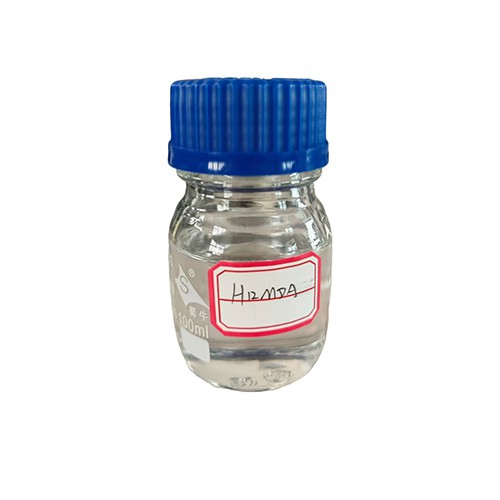
In addition, we maintain a comprehensive website that provides detailed information about PACM, including its chemical structure, properties, and applications. We also include links to relevant technical resources, such as H12MDA, which further enhances the global understanding of PACM.
Future Outlook
The future of PACM as a global term looks promising. With the continuous growth of industries such as automotive, construction, and electronics, the demand for PACM is expected to increase. As more companies enter the global market, the need for a standardized and well - recognized term for PACM will become even more important.
We believe that through our efforts as a supplier, along with the collective efforts of the industry, PACM will become even more widely recognized globally. We are committed to working with our customers and partners to promote the use of PACM and ensure its proper understanding in the international market.
Contact for Procurement
If you are interested in procuring high - quality PACM for your business, we invite you to reach out to us. We have a dedicated team of experts who can provide you with detailed information about our products, pricing, and delivery options. Whether you are a small - scale manufacturer or a large - scale industrial player, we can meet your PACM requirements.

References
- "Handbook of Specialty Chemicals" by George M. Boddy
- "Chemicals in the Global Market: Trends and Regulations" by International Chemical Council
- Industry reports from market research firms such as IHS Markit and Chemical Market Associates Inc.