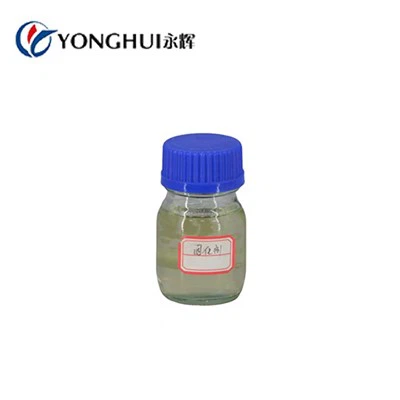


Hey there! As a supplier of Electrical Epoxy Resin, I've seen firsthand the many benefits it brings to the electrical industry. In this blog, I'll be sharing some of the key advantages of using electrical epoxy resin, and why it's a top choice for a wide range of applications.
Excellent Electrical Insulation Properties
One of the most significant advantages of electrical epoxy resin is its outstanding electrical insulation capabilities. Electrical systems require materials that can prevent the flow of electric current in unwanted areas to ensure safety and efficiency. Epoxy resin has a high dielectric strength, which means it can withstand high voltages without breaking down and conducting electricity. This property makes it ideal for use in electrical components such as transformers, motors, and printed circuit boards (PCBs).


For example, in transformers, electrical epoxy resin is used to encapsulate the windings. This not only provides electrical insulation but also protects the windings from environmental factors like moisture, dust, and chemicals. The insulation helps to reduce energy losses due to leakage currents, improving the overall efficiency of the transformer. You can find more information about Transformer Raw Material on our website.
Chemical and Corrosion Resistance
Electrical components are often exposed to various chemicals and harsh environments. Epoxy resin offers excellent chemical resistance, protecting the components from damage caused by acids, alkalis, solvents, and other corrosive substances. This is particularly important in industries such as chemical processing, oil and gas, and marine, where electrical equipment is frequently exposed to corrosive agents.
In marine applications, electrical epoxy resin can be used to coat and protect electrical connectors and terminals. The resin forms a barrier that prevents saltwater and other corrosive elements from reaching the metal parts, extending their lifespan and reducing the need for frequent maintenance. Similarly, in chemical plants, epoxy-coated electrical enclosures can safeguard sensitive electronics from the corrosive effects of chemicals in the surrounding environment.
Mechanical Strength and Durability
Electrical epoxy resin provides high mechanical strength, which is crucial for protecting electrical components from physical damage. It can withstand vibrations, shocks, and impacts, ensuring that the components remain intact and functional even in demanding operating conditions. This is especially important in applications where the equipment is subject to movement or rough handling, such as in automotive and aerospace industries.
For instance, in automotive electronics, electrical epoxy resin is used to pot and encapsulate sensors and control modules. The resin helps to absorb vibrations from the engine and the road, preventing damage to the delicate electronic components. In aerospace applications, epoxy resin is used to bond and reinforce electrical wiring and connectors, providing the necessary strength and stability for use in aircraft.
Adhesion and Bonding Properties
Epoxy resin has excellent adhesion properties, allowing it to bond strongly to a variety of substrates, including metals, plastics, and ceramics. This makes it an ideal choice for bonding electrical components together, creating a reliable and long-lasting connection. The strong bond helps to maintain the integrity of the electrical system and prevents components from becoming loose or detached.
In PCBs, electrical epoxy resin is used to bond the copper traces to the substrate. The resin provides a strong and stable connection, ensuring good electrical conductivity and preventing short circuits. Additionally, epoxy resin can be used to bond heat sinks to electronic components, improving heat transfer and preventing overheating.
Thermal Resistance
Many electrical components generate heat during operation, and it's essential to have materials that can withstand high temperatures without degrading. Electrical epoxy resin has good thermal resistance, allowing it to maintain its properties even at elevated temperatures. This makes it suitable for use in high-power applications where heat dissipation is a concern.
For example, in power electronics, such as inverters and converters, epoxy resin is used to encapsulate the power modules. The resin helps to dissipate heat away from the components, preventing thermal damage and ensuring reliable operation. It also provides insulation, reducing the risk of electrical breakdown due to high temperatures.
Customizability
Another advantage of electrical epoxy resin is its customizability. Epoxy resins can be formulated to have specific properties, such as different viscosities, curing times, and hardness levels, to meet the requirements of different applications. This flexibility allows manufacturers to choose the right epoxy resin for their specific needs.
For instance, in some applications, a low-viscosity epoxy resin may be required to ensure easy flow and filling of complex shapes. In other cases, a fast-curing epoxy resin may be preferred to increase production efficiency. Our company offers a wide range of Electrical Epoxy Resin products with different formulations to meet the diverse needs of our customers.
Ease of Processing
Electrical epoxy resin is relatively easy to process, making it a popular choice for manufacturers. It can be mixed, poured, and cured using simple equipment and processes. This ease of processing reduces production time and costs, making it a cost-effective solution for electrical component manufacturing.
For example, Injection Epoxy Resin can be injected into molds to create complex shapes and encapsulate electrical components. The resin cures quickly, allowing for high-volume production. Additionally, epoxy resin can be cured at room temperature or with the application of heat, depending on the specific requirements of the application.
Environmental Friendliness
In today's world, environmental considerations are becoming increasingly important. Many electrical epoxy resins are formulated to be environmentally friendly, with low volatile organic compound (VOC) emissions. This makes them a more sustainable choice compared to some other materials used in the electrical industry.
Moreover, epoxy resin can be recycled in some cases, reducing waste and the environmental impact. By choosing electrical epoxy resin, manufacturers can not only benefit from its performance advantages but also contribute to a more sustainable future.
Conclusion
In conclusion, electrical epoxy resin offers a wide range of advantages, including excellent electrical insulation, chemical and corrosion resistance, mechanical strength, adhesion, thermal resistance, customizability, ease of processing, and environmental friendliness. These properties make it a top choice for a variety of electrical applications, from transformers and motors to PCBs and automotive electronics.
If you're in the market for high-quality electrical epoxy resin, we'd love to hear from you. Whether you're a manufacturer looking for a reliable supplier or an engineer seeking technical support, we're here to help. Contact us today to discuss your specific requirements and explore how our electrical epoxy resin products can meet your needs.
References
- "Epoxy Resins in Electrical Applications" - Electrical Engineering Handbook
- "Advances in Epoxy Resin Technology for the Electrical Industry" - Journal of Electrical Materials Science