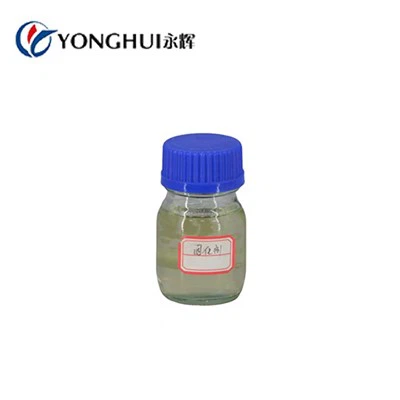


Hey there! As a supplier of MDA - 100, I've had my fair share of experiences dealing with this product. MDA - 100, also known as 4,4′-Methylenedi-Aniline, 4,4′-Methylene(bisaniline), or 4,4-Diaminodiphenylmethane, is a widely used chemical in various industries. But like any product, it comes with its own set of common problems. In this blog, I'll share some of the issues I've encountered and how we can potentially address them.
1. Handling and Storage Challenges
One of the first problems with MDA - 100 is handling and storage. MDA - 100 is a solid at room temperature, but it can be a bit tricky to deal with. It has a relatively high melting point, and if not stored properly, it can solidify and become difficult to transfer or use.
For example, if the storage area is too cold, the MDA - 100 can form large chunks. This makes it hard to measure out the right amount for production. And when it comes to transferring it from one container to another, these chunks can clog pipes or funnels.
To solve this, proper storage conditions are a must. The storage area should be kept at a stable temperature, ideally above the melting point of MDA - 100. We also recommend using insulated containers to maintain the temperature. And when transferring, make sure to use equipment that can handle solid materials, like a screw conveyor or a vibrating feeder.
2. Safety Concerns
Safety is a huge deal when it comes to MDA - 100. It's a toxic substance, and exposure to it can cause serious health problems. Skin contact can lead to irritation, and inhalation of its dust or vapors can affect the respiratory system.
As a supplier, I always make sure to provide detailed safety data sheets (SDS) to my customers. But sometimes, the end - users may not follow the safety guidelines strictly. For instance, they might not wear the proper personal protective equipment (PPE) like gloves, goggles, and respirators.
To address this, we need to emphasize the importance of safety training. We can offer training sessions to our customers' employees, teaching them how to handle MDA - 100 safely. And we should also encourage them to enforce strict PPE policies in their workplaces.
3. Quality Variations
Another common problem is quality variations. MDA - 100 can vary in purity, and this can have a big impact on its performance in different applications. If the purity is too low, it may not react as expected in chemical processes, leading to lower - quality end products.


There are several factors that can cause these quality variations. The manufacturing process itself can have some variability. For example, differences in reaction conditions like temperature, pressure, and reaction time can affect the purity of the final product.
To ensure consistent quality, we have a strict quality control system in place. We test every batch of MDA - 100 for purity and other key parameters. And we work closely with our manufacturing partners to optimize the production process and minimize variations.
4. Regulatory Compliance
MDA - 100 is subject to various regulations around the world. Different countries and regions have different rules regarding its production, import, export, and use. Keeping up with these regulations can be a real headache.
For example, some regions may have strict limits on the amount of MDA - 100 that can be used in certain products. And there are also regulations related to its transportation, which require special packaging and labeling.
As a supplier, we need to stay on top of these regulations. We have a dedicated team that monitors regulatory changes and ensures that our products and operations comply with all the relevant rules. And we also help our customers understand the regulations in their areas, so they can use MDA - 100 legally and safely.
5. Compatibility Issues
MDA - 100 may not be compatible with all materials. When it comes into contact with certain substances, it can cause chemical reactions that are not desirable. For example, it may react with some plastics, causing them to degrade or change their properties.
This can be a problem in industries where MDA - 100 is used in combination with other materials. For instance, in the production of polymers, if MDA - 100 is not compatible with the other monomers or additives, it can lead to poor - quality polymers with reduced mechanical properties.
To avoid compatibility issues, we need to conduct compatibility tests before using MDA - 100 in new applications. We can provide our customers with information about the materials that are known to be compatible with MDA - 100, and also offer guidance on how to conduct their own compatibility tests.
6. Shelf Life
MDA - 100 has a limited shelf life. Over time, it can start to degrade, especially if it's not stored properly. The degradation can affect its chemical properties and make it less effective in its applications.
The shelf life can be influenced by factors like storage temperature, humidity, and exposure to light. For example, if MDA - 100 is stored in a hot and humid environment, it may degrade faster.
To extend the shelf life, we recommend storing MDA - 100 in a cool, dry, and dark place. And we also suggest using it within the recommended time frame. We can provide our customers with information about the expected shelf life of our products and how to store them to maximize it.
Conclusion
In conclusion, while MDA - 100 is a useful chemical in many industries, it does come with its fair share of problems. From handling and storage challenges to safety concerns, quality variations, regulatory compliance, compatibility issues, and shelf - life limitations, there are several aspects that need to be carefully considered.
But don't let these problems scare you away. As a reliable MDA - 100 supplier, we're committed to helping our customers overcome these challenges. We have the expertise, the resources, and the quality control measures in place to ensure that you get the best - quality MDA - 100 and the support you need.
If you're interested in purchasing MDA - 100 or have any questions about these common problems and how we can address them, don't hesitate to reach out. We're here to have a chat and discuss how we can work together to meet your needs.
References
- Industry reports on chemical handling and storage.
- Safety data sheets for MDA - 100.
- Regulatory documents from relevant authorities.