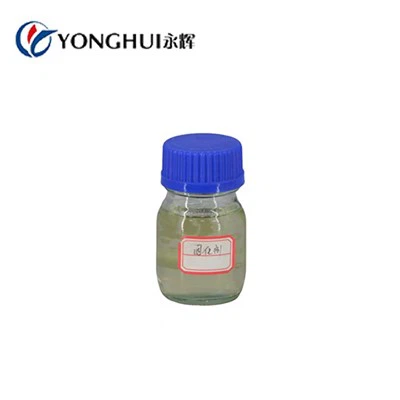


Casting epoxy resin is a versatile material widely used in various industries due to its excellent properties such as high strength, chemical resistance, and good adhesion. As a leading supplier of casting epoxy resin, I am well - versed in the different types available in the market. In this blog, I will explore the various types of casting epoxy resin, their characteristics, and applications.
1. General - Purpose Casting Epoxy Resin
General - purpose casting epoxy resin is the most commonly used type. It is a two - part system consisting of a resin and a hardener. When these two components are mixed in the correct ratio, a chemical reaction occurs, leading to the hardening of the resin.
This type of epoxy resin has good mechanical properties, including high tensile and compressive strength. It can be used for a wide range of applications, such as creating jewelry, art pieces, and small - scale industrial parts. Due to its relatively low viscosity, it can easily fill molds and capture fine details during the casting process.
One of the key advantages of general - purpose casting epoxy resin is its ease of use. It typically has a long pot life, which means that the mixed resin remains in a workable state for an extended period, allowing users to complete their casting projects without rushing. Additionally, it can be sanded, drilled, and painted after it has cured, making it suitable for post - processing.
2. High - Temperature Resistant Casting Epoxy Resin
In some industrial applications, such as in the automotive and aerospace industries, components need to withstand high temperatures. High - temperature resistant casting epoxy resin is designed to meet these requirements.
This type of epoxy resin is formulated with special additives and polymers that enable it to maintain its mechanical properties at elevated temperatures. It can resist temperatures ranging from 150°C to over 250°C, depending on the specific formulation.
High - temperature resistant casting epoxy resin is used in the production of engine components, electrical insulators in high - temperature environments, and parts for aerospace vehicles. Its ability to maintain its integrity under extreme heat makes it a crucial material in these industries. However, it is important to note that the curing process of high - temperature resistant epoxy resin may require special conditions, such as elevated temperatures and longer curing times, to achieve the desired properties.
3. Clear Casting Epoxy Resin
Clear casting epoxy resin is highly sought after in applications where transparency is required. It is commonly used for making clear jewelry, table tops, and encapsulating objects.
This type of epoxy resin has excellent optical clarity, allowing it to showcase the objects or details within the casting. It has a low yellowing tendency, which means that it will remain clear and colorless over time, even when exposed to light.
To achieve the best results with clear casting epoxy resin, it is essential to ensure a clean working environment and proper mixing of the resin and hardener. Any air bubbles trapped in the resin during the mixing process can affect the clarity of the final product. Techniques such as degassing under vacuum can be used to remove air bubbles and ensure a clear, bubble - free casting.
4. Flexible Casting Epoxy Resin
Flexible casting epoxy resin is designed to have a certain degree of flexibility after curing. Unlike rigid epoxy resins, it can bend and stretch without breaking.
This type of epoxy resin is used in applications where flexibility is required, such as in the production of gaskets, seals, and flexible molds. It can absorb shock and vibration, making it suitable for use in environments where mechanical stress is present.
The flexibility of flexible casting epoxy resin can be adjusted by varying the formulation of the resin and hardener. Different ratios of the two components can result in different levels of flexibility, allowing manufacturers to tailor the material to their specific needs.
5. Injection Epoxy Resin
Injection Epoxy Resin is specifically designed for injection molding processes. It has a low viscosity, which allows it to flow easily into molds under pressure.
This type of epoxy resin is commonly used in the electronics industry for encapsulating electronic components. It can protect the components from moisture, dust, and mechanical damage. Injection epoxy resin also has good electrical insulation properties, making it suitable for use in electrical applications.
The injection process requires precise control of temperature, pressure, and flow rate to ensure that the resin fills the mold completely and evenly. Specialized equipment is often used for injection molding with epoxy resin to achieve high - quality results.
6. Transformers Epoxy Resin Hardener
Transformers Epoxy Resin Hardener is an important component in the production of transformers. When combined with the appropriate epoxy resin, it forms a hard and durable material that can provide electrical insulation and mechanical support for the transformer windings.
This type of hardener is formulated to have specific properties, such as high heat resistance and good chemical stability. It ensures that the epoxy resin cures properly and forms a strong bond with the transformer components.
The performance of transformers epoxy resin hardener is crucial for the overall efficiency and reliability of the transformer. A well - formulated hardener can improve the electrical insulation properties of the epoxy resin, reduce the risk of electrical breakdown, and extend the service life of the transformer.


7. Electrical Insulating Epoxy Resin
Electrical Insulating Epoxy Resin is used in a wide range of electrical applications to provide insulation and protection for electrical components. It has excellent dielectric properties, which means that it can prevent the flow of electric current between conductors.
This type of epoxy resin is used in the production of circuit boards, electrical switches, and high - voltage insulators. It can also be used for potting and encapsulating electrical components to protect them from environmental factors such as moisture, dust, and chemicals.
Electrical insulating epoxy resin is often formulated with additives to improve its thermal conductivity, which helps to dissipate heat generated by the electrical components. This can prevent overheating and improve the performance and reliability of the electrical system.
Conclusion
As a supplier of casting epoxy resin, I understand the importance of providing high - quality products that meet the diverse needs of our customers. The different types of casting epoxy resin offer unique properties and applications, allowing industries to choose the most suitable material for their specific requirements.
Whether you are a jewelry maker looking for clear casting epoxy resin, an automotive manufacturer in need of high - temperature resistant resin, or an electronics company requiring electrical insulating epoxy resin, we have the right solution for you. Our team of experts is always ready to provide technical support and guidance to ensure that you achieve the best results with our products.
If you are interested in purchasing casting epoxy resin or have any questions about our products, please feel free to contact us. We are committed to providing you with the highest level of service and quality products.
References
- "Epoxy Resins: Chemistry and Technology" by Clayton A. May
- "Handbook of Epoxy Resins" by Henry Lee and Kris Neville