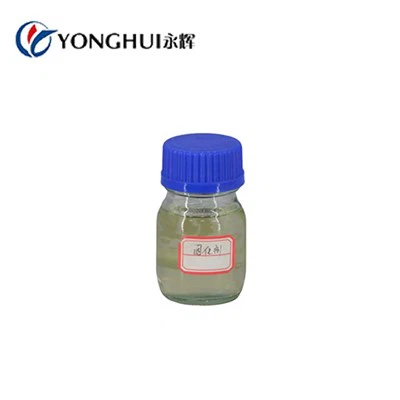


Macm, also known as 4,4'-Methylenebis(3-methylcyclohexylamine) [/special-chemicals/macm/4-4-methylenebis-3-methylcyclohexylamine.html], 4,4′-methylenebis(2-methylcyclohexyl-amine) [/special-chemicals/macm/4-4-methylenebis-2-methylcyclohexyl-amine.html], or 3,3′-Dimethyl-4,4′-diaminodicyclohexylmethane [/special-chemicals/macm/3-3-dimethyl-4-4-diaminodicyclohexylmethane.html], is a chemical compound with a wide range of applications in various industries. As a supplier of Macm, I have a deep understanding of its properties, uses, and potential drawbacks. In this blog post, I will discuss the disadvantages of Macm based on scientific knowledge and practical experience.
Health and Safety Risks
One of the most significant disadvantages of Macm is its potential health and safety risks. Macm is a primary amine, which means it can cause irritation to the skin, eyes, and respiratory system. Prolonged or repeated exposure to Macm can lead to more severe health problems, such as allergic reactions, skin sensitization, and respiratory disorders.
Skin and Eye Irritation
Macm can cause immediate irritation to the skin and eyes upon contact. The chemical can penetrate the skin and cause redness, itching, and swelling. In severe cases, it can lead to chemical burns and blisters. If Macm gets into the eyes, it can cause pain, tearing, and blurred vision. Immediate medical attention is required if Macm comes into contact with the eyes.

Respiratory Problems
Inhalation of Macm vapors or dust can cause irritation to the respiratory system. Symptoms may include coughing, wheezing, shortness of breath, and chest tightness. Prolonged exposure to Macm can lead to more serious respiratory problems, such as asthma and chronic obstructive pulmonary disease (COPD). Workers in industries that use Macm should wear appropriate personal protective equipment (PPE), such as respirators, to prevent inhalation of the chemical.
Allergic Reactions
Some individuals may develop an allergic reaction to Macm. Allergic reactions can range from mild skin rashes to severe anaphylaxis, a life - threatening allergic reaction. Once a person is sensitized to Macm, even a small amount of exposure can trigger an allergic response. This makes it difficult for workers who are allergic to Macm to continue working in environments where the chemical is present.
Environmental Impact
Macm also has potential environmental impacts. When released into the environment, Macm can have adverse effects on aquatic life and soil quality.
Aquatic Toxicity
Macm is toxic to aquatic organisms. It can accumulate in the tissues of fish and other aquatic animals, leading to reduced growth, reproduction, and survival rates. The chemical can also disrupt the ecological balance of aquatic ecosystems by affecting the food chain and the overall biodiversity of the area.
Soil Contamination
If Macm is released into the soil, it can persist for a long time and contaminate the soil. This can affect the growth of plants and the health of soil organisms. The presence of Macm in the soil can also lead to the leaching of the chemical into groundwater, which can pose a risk to drinking water sources.
Regulatory Compliance Challenges
Another disadvantage of Macm is the regulatory compliance challenges associated with its use and handling. Due to its potential health and environmental risks, Macm is subject to strict regulations in many countries.
Stringent Regulations
Regulatory agencies around the world have established strict guidelines for the production, use, and disposal of Macm. These regulations cover aspects such as labeling, packaging, transportation, and storage of the chemical. Companies that use Macm must ensure that they comply with all relevant regulations to avoid legal penalties.
Documentation and Reporting
In addition to following the regulations, companies are also required to maintain detailed documentation of their Macm usage. This includes records of purchases, storage, handling, and disposal of the chemical. Regular reporting to regulatory authorities may also be required, which can be time - consuming and resource - intensive.
High Production and Handling Costs
The production and handling of Macm are associated with high costs, which can be a disadvantage for both suppliers and users.
Complex Production Process
The production of Macm involves a complex chemical synthesis process. It requires specialized equipment, skilled labor, and high - quality raw materials. The complexity of the production process increases the cost of manufacturing Macm, which is then passed on to the customers.
Special Handling Requirements
Due to its hazardous nature, Macm requires special handling and storage conditions. It must be stored in a well - ventilated area away from heat, sparks, and open flames. Specialized containers and safety equipment are also needed to prevent spills and leaks. These additional requirements add to the overall cost of using Macm.
Limited Compatibility with Other Materials
Macm may not be compatible with all materials, which can limit its applications in some industries.
Chemical Incompatibility
Macm can react with certain chemicals, such as acids and oxidizing agents. This chemical incompatibility can lead to the degradation of Macm or the formation of potentially hazardous by - products. When using Macm in a formulation, it is essential to ensure that it is compatible with all other components to avoid chemical reactions and ensure the stability of the final product.
Material Compatibility
In addition to chemical compatibility, Macm may also have limited compatibility with some materials at the physical level. For example, it may not adhere well to certain types of plastics or rubbers, which can affect the performance of products that rely on good adhesion.
Difficulty in Disposal
Proper disposal of Macm is a challenge due to its hazardous nature.
Special Disposal Procedures
Macm cannot be disposed of in regular waste streams. It must be disposed of in accordance with strict environmental regulations. This may involve incineration at a specialized facility or treatment to neutralize the chemical before disposal. These special disposal procedures are costly and require careful planning and coordination.
Risk of Improper Disposal
Improper disposal of Macm can have serious environmental and health consequences. If Macm is dumped illegally or not disposed of properly, it can contaminate the environment and pose a risk to human health. This highlights the importance of ensuring that all users of Macm are aware of the proper disposal procedures.
Conclusion
While Macm has many useful applications in various industries, it also has several disadvantages. The health and safety risks, environmental impact, regulatory compliance challenges, high production and handling costs, limited compatibility with other materials, and difficulty in disposal are all factors that need to be considered when using Macm.
As a supplier of Macm, I understand the concerns of our customers regarding these disadvantages. We are committed to providing high - quality Macm products while ensuring that all safety and environmental regulations are met. We also offer technical support to help our customers use Macm safely and effectively.
If you are considering using Macm in your business, I encourage you to contact me for more information. We can discuss your specific needs and provide you with detailed information about the product, its applications, and how to minimize the associated risks. Let's work together to find the best solutions for your chemical requirements.
References
- [1] "Occupational Safety and Health Guidelines for Chemical Hazards." National Institute for Occupational Safety and Health (NIOSH).
- [2] "Environmental Impact Assessment of Chemical Compounds." Environmental Protection Agency (EPA).
- [3] "Chemical Compatibility Databases." Various industry - specific databases.