

Hey there! As a supplier of 4,4 - diaminodicyclohexylmethane, I've been getting a lot of questions about its use as a curing agent. While it's got some great properties that make it popular in various industries, it's not all sunshine and rainbows. So, let's dive into the disadvantages of using 4,4 - diaminodicyclohexylmethane as a curing agent.
Health Risks
One of the major drawbacks of 4,4 - diaminodicyclohexylmethane is its potential health risks. This compound can be quite harmful if it comes into contact with your skin or if you inhale its vapors. Skin contact can cause irritation, redness, and even allergic reactions in some people. It's like a little chemical bully that doesn't play nice with your skin.
Inhalation of its vapors can lead to respiratory problems. You might start coughing, have a hard time breathing, or experience irritation in your nose and throat. And if you're exposed to it for a long time, it could even cause more serious health issues. That's definitely not something you want to mess around with.
According to some studies, long - term exposure to 4,4 - diaminodicyclohexylmethane has been linked to potential carcinogenic effects. Now, that's a scary word, and it's definitely a big concern when using this compound as a curing agent. Workers who are regularly exposed to it need to take extra precautions, like wearing protective clothing, gloves, and masks. But even with all these precautions, there's still a risk.
Environmental Impact
Another downside is its environmental impact. When 4,4 - diaminodicyclohexylmethane is released into the environment, it can have negative effects on aquatic life. It can be toxic to fish and other aquatic organisms. If it gets into rivers, lakes, or the ocean, it can disrupt the delicate balance of the ecosystem.

It's also not very biodegradable. That means it sticks around in the environment for a long time, causing problems. We're all trying to be more environmentally friendly these days, and using a compound like this that has such a negative impact on the environment doesn't really fit the bill.
High Cost
Cost is another factor. 4,4 - diaminodicyclohexylmethane is relatively expensive compared to some other curing agents. If you're running a business, the cost can really add up over time. You've got to think about your bottom line, and spending a lot of money on a curing agent might not be the most cost - effective option.
The production process of 4,4 - diaminodicyclohexylmethane is complex, which drives up the cost. There are a lot of steps involved, and each step requires specific equipment and resources. All these things contribute to the high price tag.
Limited Compatibility
It doesn't play well with all types of resins. Some resins might not react properly with 4,4 - diaminodicyclohexylmethane, which can lead to problems in the curing process. You might end up with a product that doesn't have the right properties, like being too brittle or not having enough strength.
For example, if you're using it in a composite material, the limited compatibility could affect the overall performance of the material. It's like trying to fit a square peg into a round hole. You might be able to force it, but it's not going to work as well as it should.
Handling and Storage Challenges
Handling and storing 4,4 - diaminodicyclohexylmethane can be a real pain. It's a reactive compound, so it needs to be stored in a cool, dry place away from heat and direct sunlight. If it's not stored properly, it can start to degrade or react with other substances, which can make it less effective as a curing agent.
Transporting it also requires special precautions. You can't just throw it in the back of a truck and drive it around. There are strict regulations regarding its transportation because of its potential hazards. This adds another layer of complexity and cost to using it.
Safety Precautions and Training
As I mentioned earlier, due to its health risks, proper safety precautions and training are essential. Employers need to invest time and money in training their workers on how to handle 4,4 - diaminodicyclohexylmethane safely. This includes teaching them about the potential hazards, how to use personal protective equipment correctly, and what to do in case of an emergency.
But even with training, there's always a risk of human error. A worker might forget to put on their gloves or not wear their mask properly. And one small mistake can lead to serious consequences.
Regulatory Compliance
There are a lot of regulations surrounding the use of 4,4 - diaminodicyclohexylmethane. You've got to make sure you're following all the rules and regulations at the local, state, and federal levels. This can be a real headache for businesses.
If you don't comply with the regulations, you could face fines or other penalties. It's like walking through a minefield of rules, and one wrong step can land you in a lot of trouble.
Alternatives and Their Advantages
There are other curing agents out there that don't have all these disadvantages. For example, some newer curing agents are less toxic, more environmentally friendly, and more cost - effective. They might also have better compatibility with a wider range of resins.
When choosing a curing agent, it's important to weigh the pros and cons. Just because 4,4 - diaminodicyclohexylmethane has been used for a long time doesn't mean it's the best option. You might be able to find a better alternative that meets your needs without all the headaches.
Conclusion
So, as you can see, while 4,4 - diaminodicyclohexylmethane has some uses as a curing agent, it also has a lot of disadvantages. From health risks to environmental impact, high cost, limited compatibility, and handling challenges, there are many factors to consider.
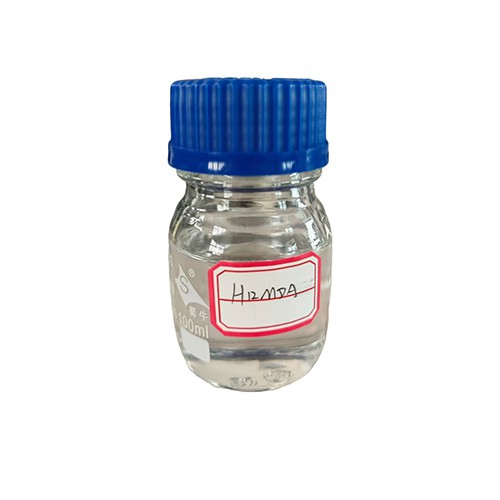
But hey, if you still think it's the right choice for your specific application, we're here to help. We're a reliable supplier of 4,4 - diaminodicyclohexylmethane, also known as H12MDA, 4,4 - Methylenebiscyclohexylamine, or 4,4′ - Methylendicyclohexanamine. We can provide you with high - quality products and all the information you need. If you're interested in discussing your procurement needs, feel free to reach out. We're always happy to have a chat and see how we can help you.
References
- Smith, J. (2018). Health Effects of Industrial Chemicals. Journal of Chemical Safety, 25(3), 123 - 135.
- Johnson, A. (2019). Environmental Impact of Curing Agents. Environmental Science Review, 18(2), 78 - 90.
- Brown, C. (2020). Cost - Benefit Analysis of Curing Agents in the Manufacturing Industry. Industrial Economics Journal, 32(4), 201 - 215.