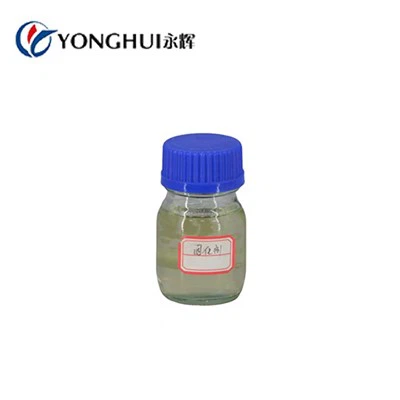


Hey there! I'm a supplier of MTHPA, and today I wanna chat about the drawbacks of Methyl Tetrahydrophthalic Anhydride (MTHPA). Yeah, I know it might seem a bit odd for me, a supplier, to talk about the cons. But hey, being honest is the best policy, right?


First off, let's get a bit of background. MTHPA, also known as Tetrahydromethyl - 1,3 - isobenzofurandione, is a widely used chemical in various industries. You can find more detailed info about it on the Methyl Tetrahydrophthalic Anhydride page. It's commonly used in the production of epoxy resins, which are used in coatings, adhesives, and composites.
One of the major drawbacks of MTHPA is its potential health hazards. It's a reactive chemical, and direct contact with skin or eyes can cause irritation. If you accidentally spill it on your skin, it can lead to redness, itching, and in severe cases, chemical burns. Inhalation of its vapors can also be a problem. It can irritate the respiratory tract, causing coughing, shortness of breath, and even more serious respiratory issues if exposure is prolonged. This means that workers handling MTHPA need to take extra precautions. They have to wear proper protective equipment like gloves, goggles, and respirators. And the work environment needs to be well - ventilated to minimize the risk of inhalation.
Another issue is related to its storage and handling. MTHPA is sensitive to moisture. When it comes into contact with water, it can hydrolyze, which changes its chemical properties. This hydrolysis can lead to the formation of acidic by - products. These acidic substances can not only corrode storage containers but also affect the quality of the MTHPA itself. So, we need to store it in a dry, cool place, preferably in sealed containers. And during transportation, we have to make sure that the packaging is waterproof to prevent any moisture from getting in.
The reactivity of MTHPA can also be a double - edged sword. While it's great for the chemical reactions it participates in during the production of epoxy resins, it can be a problem in other situations. For example, if it comes into contact with incompatible substances, it can cause violent reactions. This requires strict separation from other chemicals in storage and handling. We can't just throw it in a storage room with a bunch of other random chemicals. We need to have a proper chemical storage system in place to avoid any accidental mixing.
In terms of environmental impact, MTHPA can be a concern. If it's released into the environment, it can have negative effects on aquatic life. It can be toxic to fish and other aquatic organisms. And since it's used in industrial processes, there's always a risk of accidental spills into water bodies. Even small amounts can have a significant impact on the local ecosystem. So, industries using MTHPA need to have proper spill - response plans in place to minimize the environmental damage.
Now, let's talk about the cost factor. Producing high - quality MTHPA requires a certain level of technology and raw materials. And due to its reactivity and the need for strict quality control, the production cost can be relatively high. This, in turn, is reflected in the price that customers have to pay. For small - scale manufacturers or those on a tight budget, the cost of MTHPA can be a deterrent. They might look for alternative chemicals that can achieve similar results at a lower cost.
The curing process of epoxy resins using MTHPA also has its drawbacks. The curing time can be relatively long, especially at lower temperatures. This can slow down the production process in industries where time is of the essence. For example, in the manufacturing of large - scale composite products, a long curing time means that the production line has to wait longer for each product to be ready. This can increase the overall production time and cost.
Despite these drawbacks, MTHPA still has its place in the market. It offers unique properties that make it suitable for many applications. If you're in an industry that requires high - performance epoxy resins, MTHPA might still be the best choice for you. And as a supplier, we're constantly working on ways to mitigate these drawbacks. We're improving the production process to reduce the cost, and we're also developing better packaging and storage solutions to address the moisture and reactivity issues.
If you're interested in learning more about MTHPA or if you have any questions about how to use it safely and effectively, feel free to reach out. Whether you're a small - scale manufacturer looking for a high - quality MTHPA solution or a large - scale industry in need of a reliable supplier, we're here to help. We can have a chat about your specific requirements and see how we can work together. You can find more detailed product information on the Phthalic Anhydride Methyl Tetra Hydro Phthalic Anhydride (MTHPA) page. And if you're ready to start a procurement discussion, don't hesitate to get in touch.
References
- Chemical Safety Data Sheets for Methyl Tetrahydrophthalic Anhydride
- Industry reports on the use and challenges of MTHPA in epoxy resin production
- Environmental studies on the impact of MTHPA on aquatic ecosystems