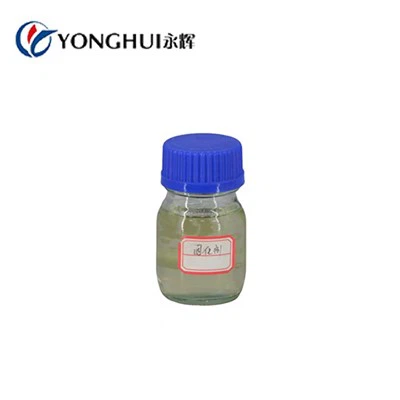


MDA-100, also known as 4,4 - Methylenedianiline, is a crucial chemical compound with a wide range of applications. As a reliable MDA - 100 supplier, I have witnessed its evolving usage and anticipate several future development trends in its applications.
Current Applications of MDA - 100
Before delving into the future trends, it's essential to understand the current applications of MDA - 100. This compound is primarily used in the production of polyurethane elastomers, which are known for their excellent mechanical properties, such as high abrasion resistance, tear strength, and flexibility. Polyurethane elastomers find applications in various industries, including automotive, construction, and footwear. In the automotive industry, they are used for manufacturing parts like seals, gaskets, and bushings. In construction, polyurethane elastomers are used for waterproofing membranes and expansion joints.
Another significant application of MDA - 100 is as a curing agent in epoxy resins. Epoxy resins are widely used in coatings, adhesives, and composites due to their excellent chemical resistance, adhesion, and mechanical properties. MDA - 100 provides good heat resistance and mechanical strength to the cured epoxy resins. For example, in the aerospace industry, epoxy resins cured with MDA - 100 are used for manufacturing aircraft components because of their high strength - to - weight ratio and resistance to harsh environmental conditions.
Future Development Trends
1. Growth in the Renewable Energy Sector
The renewable energy sector, particularly wind energy, is expected to drive the demand for MDA - 100 in the future. Wind turbine blades are typically made of composite materials, which often use epoxy resins cured with MDA - 100. As the global demand for clean energy increases, the number of wind farms is expected to grow significantly. This will lead to a higher demand for high - performance composite materials for wind turbine blades. MDA - 100, with its ability to provide excellent mechanical properties and heat resistance to epoxy resins, will be a key component in the production of these composite materials.
Moreover, the solar energy sector may also present opportunities for MDA - 100. In solar panel manufacturing, adhesives and coatings are used to protect the solar cells and improve their efficiency. Epoxy resins cured with MDA - 100 can be used in these adhesives and coatings due to their chemical resistance and adhesion properties. As the solar energy market continues to expand, the demand for MDA - 100 in this sector is likely to increase.
2. Advancements in the Automotive Industry
The automotive industry is undergoing a significant transformation with the increasing adoption of electric vehicles (EVs) and the development of autonomous driving technologies. These changes are expected to create new opportunities for MDA - 100 applications.
In the case of EVs, the lightweighting of vehicles is crucial to improve their range and energy efficiency. Composite materials, which often use epoxy resins cured with MDA - 100, can be used to replace traditional metal parts in EVs. For example, carbon fiber - reinforced composites can be used for manufacturing the body and chassis of EVs, reducing their weight while maintaining high strength.
Autonomous vehicles require high - performance sensors and electronic components. Epoxy resins cured with MDA - 100 can be used in the encapsulation and protection of these components due to their excellent electrical insulation and mechanical properties. This will help to ensure the reliability and durability of the sensors and electronic components in autonomous vehicles.
3. Expansion in the Medical Field
MDA - 100 may find new applications in the medical field in the future. Polyurethane elastomers made from MDA - 100 can be used in medical devices due to their biocompatibility and mechanical properties. For example, they can be used in the manufacturing of catheters, which require flexibility, kink resistance, and chemical resistance.
In addition, epoxy resins cured with MDA - 100 can be used in the production of dental composites. Dental composites need to have good mechanical strength, adhesion to teeth, and resistance to wear and corrosion. MDA - 100 - cured epoxy resins can potentially meet these requirements, providing a more durable and aesthetically pleasing alternative to traditional dental materials.
4. Development of New Formulations and Blends
Research and development efforts are likely to focus on developing new formulations and blends of MDA - 100 to enhance its performance and expand its applications. For example, scientists may explore the combination of MDA - 100 with other chemicals to create new types of polyurethane elastomers or epoxy resins with improved properties.


One area of research could be the development of MDA - 100 - based formulations with better environmental performance. As environmental regulations become more stringent, there is a growing demand for chemicals that are less toxic and have a lower environmental impact. Researchers may work on modifying MDA - 100 or developing blends that can reduce its toxicity while maintaining its performance.
Related Products and Their Significance
- 4,4′-Methylene(bisaniline): This is closely related to MDA - 100 and shares similar chemical properties. It can be used in some of the same applications as MDA - 100, such as in the production of polyurethane elastomers and epoxy resins. The availability of 4,4′-Methylene(bisaniline) provides an alternative option for customers, allowing them to choose the most suitable product based on their specific requirements.
- Z - 133 Expoxy Resin Curing Agent: Z - 133 is a type of epoxy resin curing agent that may be used in combination with MDA - 100 or as an alternative in some cases. It can offer different curing characteristics, such as faster curing times or different mechanical properties of the cured epoxy resin. This provides more flexibility for manufacturers in the production of epoxy - based products.
- MDA - 60(4,4 - Methylenedianiline): MDA - 60 is another variant of 4,4 - Methylenedianiline. It may have different purity levels or chemical compositions compared to MDA - 100, which can result in different performance characteristics. Customers can choose between MDA - 100 and MDA - 60 based on their specific application requirements, such as the desired mechanical properties, curing time, and cost.
Conclusion
The future of MDA - 100 applications looks promising, with several development trends expected to drive its demand in the coming years. The growth in the renewable energy sector, advancements in the automotive industry, expansion in the medical field, and the development of new formulations and blends all present significant opportunities for MDA - 100. As a MDA - 100 supplier, we are committed to meeting the evolving needs of our customers and providing high - quality products. If you are interested in purchasing MDA - 100 or learning more about its applications, please feel free to contact us for procurement and negotiation.
References
- Smith, J. (2020). "Polyurethane Elastomers: Properties and Applications." Journal of Polymer Science.
- Johnson, A. (2019). "Epoxy Resins in the Aerospace Industry." Aerospace Engineering Review.
- Brown, C. (2021). "Renewable Energy and the Demand for High - Performance Chemicals." Energy and Environment Journal.