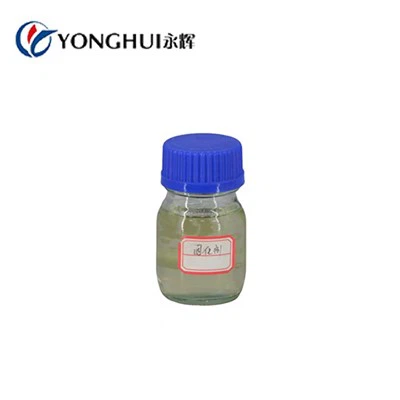


As a supplier of 4,4'-Methylenedianiline, I understand the importance of providing comprehensive information about handling precautions for this chemical. 4,4'-Methylenedianiline, also known as MDA, is a crucial chemical compound with various industrial applications, such as in the production of Z-133 Expoxy Resin Curing Agent and MDA-100(4,4-Methylenedianiline). However, due to its potential hazards, it must be handled with extreme care.
Physical and Chemical Properties
Before delving into the handling precautions, it's essential to understand the physical and chemical properties of 4,4'-Methylenedianiline. It is a white to pale-yellow crystalline solid at room temperature. The melting point of 4,4'-Methylenedianiline is around 89 - 92°C, and it has a boiling point of approximately 398 - 399°C. It is slightly soluble in water but soluble in organic solvents such as ethanol, ether, and acetone. These properties play a significant role in determining the appropriate handling procedures.
Health Hazards
4,4'-Methylenedianiline is classified as a hazardous substance due to its potential health risks. It is a known carcinogen, which means it has the potential to cause cancer in humans. Prolonged or repeated exposure to this chemical can increase the risk of developing bladder, liver, and other types of cancer.


In addition to its carcinogenic properties, 4,4'-Methylenedianiline can also cause skin and eye irritation. Contact with the skin can lead to redness, itching, and burns, while eye contact can cause severe irritation, pain, and even damage to the eyes. Inhalation of its dust or vapors can irritate the respiratory tract, leading to coughing, shortness of breath, and other respiratory problems. Ingestion of 4,4'-Methylenedianiline can cause nausea, vomiting, abdominal pain, and other gastrointestinal issues.
Handling Precautions
Personal Protective Equipment (PPE)
When handling 4,4'-Methylenedianiline, appropriate personal protective equipment (PPE) must be worn at all times. This includes:
- Gloves: Chemical-resistant gloves made of materials such as nitrile or neoprene should be worn to prevent skin contact. Gloves should be inspected regularly for any signs of damage or wear and replaced immediately if necessary.
- Safety Goggles or Face Shield: To protect the eyes from splashes or dust, safety goggles or a face shield should be worn. These should provide a good seal around the eyes to prevent any chemical from entering.
- Respirator: A respirator with appropriate filters should be worn when there is a risk of inhaling dust or vapors. The type of respirator required depends on the level of exposure and the specific conditions of the workplace. For example, a particulate respirator may be sufficient for low-level dust exposure, while a more advanced respirator with chemical cartridges may be needed for higher levels of vapor exposure.
- Protective Clothing: Long-sleeved shirts, long pants, and a lab coat or coveralls should be worn to minimize skin exposure. The clothing should be made of a material that is resistant to the chemical and should be changed regularly if it becomes contaminated.
Handling Procedures
- Storage: 4,4'-Methylenedianiline should be stored in a cool, dry, and well-ventilated area away from sources of heat, ignition, and incompatible substances. It should be kept in tightly closed containers labeled with the appropriate hazard information. The storage area should be clearly marked and restricted to authorized personnel only.
- Transfer and Handling: When transferring 4,4'-Methylenedianiline, use appropriate equipment such as funnels, pipettes, or pumps to minimize the risk of spills. Avoid direct contact with the chemical during transfer and ensure that all equipment is clean and free of contaminants. If a spill occurs, follow the spill response procedures immediately.
- Mixing and Reacting: If 4,4'-Methylenedianiline is to be mixed with other chemicals, follow the appropriate mixing procedures and safety guidelines. Use proper ventilation and ensure that the reaction conditions are carefully controlled to prevent any potential hazards.
- Cleaning and Maintenance: Regular cleaning and maintenance of the work area and equipment are essential to prevent the accumulation of 4,4'-Methylenedianiline. Use appropriate cleaning agents and procedures to remove any traces of the chemical. Dispose of any contaminated cleaning materials properly.
Spill Response
In the event of a spill, it is crucial to act quickly and follow the appropriate spill response procedures. Here are the general steps to take:
- Evacuate the Area: Immediately evacuate all non-essential personnel from the spill area to a safe location.
- Warn Others: Alert other workers in the vicinity of the spill and provide them with appropriate safety instructions.
- Contain the Spill: Use absorbent materials such as sand, vermiculite, or spill pillows to contain the spill and prevent it from spreading. Avoid using water to clean up the spill, as this can cause the chemical to spread and increase the risk of exposure.
- Clean Up the Spill: Once the spill has been contained, carefully clean up the absorbent materials and any remaining chemical using appropriate cleaning agents. Place the contaminated materials in a sealed container for proper disposal.
- Report the Spill: Report the spill to the appropriate authorities and follow any additional instructions or procedures.
Training and Education
All employees who handle 4,4'-Methylenedianiline should receive comprehensive training and education on its hazards, handling precautions, and emergency response procedures. The training should include both theoretical and practical components and should be updated regularly to ensure that employees are aware of the latest safety information.
Environmental Considerations
4,4'-Methylenedianiline can have a significant impact on the environment if released into the air, water, or soil. It is toxic to aquatic organisms and can bioaccumulate in the food chain. Therefore, it is essential to take appropriate measures to prevent any environmental contamination. This includes proper storage, handling, and disposal of the chemical, as well as following all relevant environmental regulations.
Conclusion
As a supplier of 4,4′-Methylenedi-Aniline, I am committed to providing high-quality products while ensuring the safety of our customers and the environment. By following the handling precautions outlined in this blog, you can minimize the risks associated with 4,4'-Methylenedianiline and ensure a safe working environment.
If you are interested in purchasing 4,4'-Methylenedianiline or have any questions about its handling or applications, please feel free to contact us for a detailed discussion. We are here to provide you with the best solutions and support for your specific needs.
References
- "4,4'-Methylenedianiline - CAS No. 101-77-9." Hazardous Substances Data Bank (HSDB), U.S. National Library of Medicine.
- "Occupational Safety and Health Administration (OSHA) Standards for Hazardous Chemicals." OSHA, U.S. Department of Labor.
- "International Agency for Research on Cancer (IARC) Monographs on the Evaluation of Carcinogenic Risks to Humans." IARC, World Health Organization.