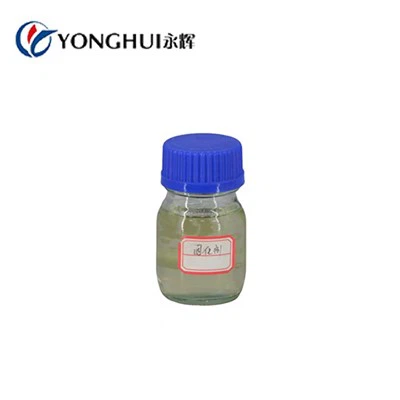


As a dedicated supplier of MACM (Methylenebis(3 - methylcyclohexylamine)), I am excited to share with you the key features of this remarkable chemical compound. MACM, also known by several other names such as 4,4'-Diamino-3,3'-dimethyldicyclohexylmethane, 4,4'-Methylenebis(3-methylcyclohexylamine), and 3,3′-Dimethyl-4,4′-diaminodicyclohexylmethane, is a cycloaliphatic diamine with a wide range of applications and unique characteristics.
Chemical Structure and Basic Properties
MACM has a cycloaliphatic structure, which consists of two cyclohexyl rings linked by a methylene bridge, with methyl groups and amino groups attached at specific positions. This structure gives MACM some distinctive physical and chemical properties.
Physically, MACM is a clear to pale - yellow liquid at room temperature. It has a relatively low viscosity, which makes it easy to handle in various industrial processes. The low viscosity allows for good flowability during mixing with other substances, facilitating uniform distribution in formulations.
Chemically, the two amino groups in MACM are reactive. They can participate in a variety of chemical reactions, such as polycondensation reactions with diacids or diisocyanates. These reactions are the basis for the synthesis of many high - performance polymers, including polyamides and polyurethanes.


Excellent Mechanical Properties
One of the most significant features of MACM is its ability to impart excellent mechanical properties to the polymers it is used in. When MACM is incorporated into polyamide synthesis, for example, the resulting polyamides have high strength and stiffness.
The cycloaliphatic structure of MACM contributes to the formation of a more rigid polymer backbone compared to aliphatic diamines. This rigidity translates into improved tensile strength, flexural strength, and modulus of elasticity of the final polymer products. In engineering applications, such as automotive parts and aerospace components, these high - strength polymers can withstand heavy loads and mechanical stresses, reducing the risk of deformation and failure.
Moreover, MACM - based polymers often exhibit good impact resistance. The molecular structure of MACM allows the polymer chains to absorb and dissipate energy during impact events. This makes the polymers suitable for applications where impact resistance is crucial, like sports equipment and protective gear.
Thermal Stability
MACM - containing polymers also show remarkable thermal stability. The cycloaliphatic rings in MACM are more thermally stable than aliphatic chains. When exposed to high temperatures, the polymer chains are less likely to break down or undergo thermal degradation.
In high - temperature applications, such as under - the - hood automotive components and electronic devices, the thermal stability of MACM - based polymers ensures that the products can maintain their mechanical and chemical properties over a wide temperature range. For example, in electronic circuit boards, the polymers need to withstand the heat generated by electronic components during operation. MACM - based polymers can prevent short - circuits and other malfunctions caused by thermal degradation, improving the reliability and lifespan of the electronic devices.
The thermal stability of MACM - based polymers also allows for processing at higher temperatures. This can lead to more efficient manufacturing processes, as higher processing temperatures can reduce the viscosity of the polymer melt, improving the flowability and mold - filling ability during injection molding or extrusion.
Chemical Resistance
Another key feature of MACM is its contribution to the chemical resistance of polymers. MACM - based polymers are resistant to a wide range of chemicals, including solvents, oils, and fuels.
The non - polar nature of the cycloaliphatic rings in MACM makes the polymer less susceptible to chemical attack by polar solvents. In the chemical industry, where equipment and pipelines are often in contact with various chemicals, MACM - based polymers can be used to manufacture corrosion - resistant parts. For example, in chemical storage tanks and piping systems, the polymers can prevent the leakage of corrosive chemicals, ensuring the safety and integrity of the storage and transportation processes.
In addition, MACM - based polymers are also resistant to environmental factors such as moisture and oxygen. This resistance to oxidation and hydrolysis helps to maintain the long - term performance of the polymers in outdoor applications. For instance, in building materials exposed to the elements, the polymers can resist weathering, UV radiation, and moisture, preventing the degradation and discoloration of the materials.
Low Water Absorption
Compared to some other diamines, MACM - based polymers generally have low water absorption. The cycloaliphatic structure of MACM reduces the affinity of the polymer for water molecules.
Low water absorption is crucial for maintaining the dimensional stability of polymer products. When polymers absorb water, they can swell, which can lead to changes in dimensions and mechanical properties. In precision engineering applications, such as optical components and micro - electronic parts, the dimensional stability provided by low - water - absorption MACM - based polymers is essential for ensuring accurate performance.
Moreover, low water absorption also helps to preserve the electrical properties of polymers. In electrical insulation applications, water absorption can increase the conductivity of the polymer, leading to electrical leakage and potential safety hazards. MACM - based polymers with low water absorption can maintain their excellent electrical insulation properties, even in humid environments.
Applications in Different Industries
The unique features of MACM have led to its wide use in various industries.
In the automotive industry, MACM - based polymers are used to manufacture engine components, such as intake manifolds and oil pans, due to their high strength, thermal stability, and chemical resistance. They are also used in interior parts, like dashboard components, for their good mechanical properties and low water absorption.
In the electronics industry, MACM - based polymers are employed in printed circuit boards, connectors, and encapsulation materials. Their thermal stability, chemical resistance, and low water absorption ensure the reliable performance of electronic devices.
In the construction industry, MACM - based polymers can be used in building facades, window profiles, and insulation materials. Their weather resistance and mechanical properties make them suitable for long - term outdoor use.
Conclusion
In conclusion, MACM is a versatile and valuable chemical compound with a variety of key features. Its unique cycloaliphatic structure endows polymers with excellent mechanical properties, thermal stability, chemical resistance, low water absorption, and other beneficial characteristics. These features make MACM - based polymers suitable for a wide range of applications in different industries.
If you are interested in learning more about MACM or are considering using MACM in your products, I encourage you to contact us for a detailed discussion. Our team of experts can provide you with comprehensive information and technical support to help you make the best use of MACM in your specific applications. We are committed to providing high - quality MACM products and excellent customer service to meet your procurement needs.
References
- "Cycloaliphatic Diamines in Polymer Chemistry" - Polymer Science Journal
- "Mechanical and Thermal Properties of MACM - Based Polyamides" - Journal of Engineering Materials and Technology
- "Chemical Resistance of Polymers Containing MACM" - Chemical Industry Review