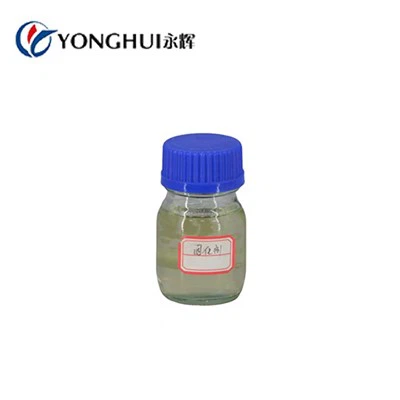


As a supplier of H12MDA, I am often asked about the various properties of this chemical, and one question that frequently comes up is about its odor characteristics. In this blog, I will delve into the odor profile of H12MDA, exploring what it smells like, how its odor can be influenced, and why understanding its odor is important in different applications.
What is H12MDA?
Before we discuss its odor, let's briefly introduce H12MDA. H12MDA, also known as 4,4 - Methylenebiscyclohexylamine or 4,4′ - Methylendicyclohexanamine, is a key intermediate in the production of various polymers and coatings. It is a cycloaliphatic diamine with excellent chemical and physical properties, such as high reactivity, good thermal stability, and strong adhesion. These properties make H12MDA widely used in industries like automotive, aerospace, and electronics. You can find more detailed information about H12MDA on our website H12MDA.
The Odor Profile of H12MDA
H12MDA has a distinct odor that can be described as somewhat pungent and ammoniacal. The ammoniacal note is characteristic of many amines, as the amino groups in the molecule contribute to this type of smell. When you first encounter H12MDA, the initial impression of the odor can be quite strong and may be off - putting to some people.
The intensity of the odor can vary depending on several factors. One of the most significant factors is the concentration of H12MDA. At higher concentrations, the odor becomes more pronounced and can be detected from a greater distance. For example, in a manufacturing plant where H12MDA is being produced or used in large quantities, the odor may be more easily noticeable compared to a laboratory setting where only small amounts are being handled.
Another factor that affects the odor is the physical state of H12MDA. H12MDA is a liquid at room temperature, and its volatility plays a role in how easily the odor is released into the air. As the temperature increases, the volatility of H12MDA also increases, leading to a more intense odor. This means that in a warm environment, the smell of H12MDA may be stronger than in a cooler one.
Significance of Understanding the Odor in Different Applications
In Manufacturing Processes
In the manufacturing of products using H12MDA, understanding its odor is crucial for worker safety. The strong odor can serve as a warning sign of potential exposure. Workers in the production area need to be aware of the normal odor level of H12MDA so that any significant change in the odor intensity or quality can indicate a leak or improper handling of the chemical. This early warning can help prevent over - exposure and potential health risks associated with H12MDA.
In Product Quality Control
The odor of H12MDA can also impact the quality of the final products. For example, in the production of coatings, if the H12MDA used has an abnormal odor, it may be an indication of impurities or degradation. These impurities can affect the performance of the coating, such as its adhesion, durability, and appearance. By monitoring the odor of H12MDA during the production process, manufacturers can ensure the consistency and quality of their products.
In End - User Experience
For end - users, the odor of products containing H12MDA can influence their perception of the product. In the automotive industry, for instance, if a car interior coating has a strong or unpleasant odor due to the H12MDA used in its formulation, it can negatively impact the customer experience. Therefore, manufacturers need to control the odor of H12MDA - based products to meet the expectations of end - users.
Odor Mitigation and Safety Measures
Given the pungent odor of H12MDA, it is important to implement odor mitigation and safety measures. In manufacturing facilities, proper ventilation systems should be installed to remove the odor - laden air and maintain a safe working environment. Local exhaust ventilation can be particularly effective in capturing the H12MDA vapors at the source, preventing them from spreading throughout the workspace.
Personal protective equipment (PPE) is also essential for workers handling H12MDA. Respirators can help filter out the odor and protect workers from inhaling the chemical vapors. Gloves and goggles should also be worn to prevent skin and eye contact, as H12MDA can cause irritation.
In addition to these safety measures, chemical scrubbers can be used to treat the exhaust air and reduce the odor of H12MDA. These scrubbers work by passing the air through a liquid or solid medium that reacts with or adsorbs the H12MDA molecules, removing them from the air and reducing the odor.


Conclusion
In conclusion, the odor of H12MDA is a significant characteristic that has implications in various aspects, from manufacturing processes to end - user experience. Its pungent and ammoniacal odor can be affected by factors such as concentration, temperature, and physical state. By understanding the odor profile of H12MDA and implementing appropriate odor mitigation and safety measures, we can ensure the safe handling and use of this important chemical.
If you are interested in purchasing H12MDA for your business, we are here to provide you with high - quality products and excellent service. Whether you need a small quantity for research or a large volume for industrial production, we can meet your requirements. Please feel free to contact us to start a procurement discussion. We look forward to working with you.
References
- "Handbook of Cycloaliphatic Amines" - A comprehensive reference on cycloaliphatic amines, including H12MDA, covering their properties, synthesis, and applications.
- Industry standards and guidelines on the handling and safety of chemicals, which provide information on the odor characteristics and safety measures related to H12MDA.