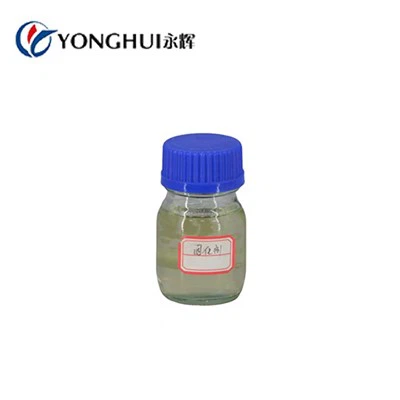


As a supplier of H12MDA, also known as 4,4′-Methylendicyclohexanamine (/special-chemicals/pacm/4-4-methylendicyclohexanamine.html), 4,4-Methylenebiscyclohexylamine (/special-chemicals/pacm/4-4-methylenebiscyclohexylamine.html), and 4,4-diaminodicyclohexylmethane (/special-chemicals/pacm/4-4-diaminodicyclohexylmethane.html), I am often asked about the physical properties of this compound. In this blog post, I will delve into the various physical characteristics of H12MDA, which will not only help you understand its nature but also guide you in its appropriate application.
Molecular Structure and Basic Information
H12MDA has a relatively complex molecular structure. Its chemical formula is C₁₃H₂₆N₂, and it consists of two cyclohexane rings connected by a methylene bridge, with an amino group attached to each cyclohexane ring. This structure gives H12MDA unique physical and chemical properties.
Physical State at Room Temperature
At room temperature (around 25°C), H12MDA exists as a white to slightly yellowish solid. The solid form is stable under normal storage conditions, which makes it convenient for transportation and storage. The crystalline nature of the solid is due to the regular arrangement of its molecules in the lattice structure. This solid form can be easily handled, and it can be further processed into different forms depending on the specific application requirements.
Melting Point
One of the important physical properties of H12MDA is its melting point. The melting point of H12MDA is typically in the range of 35 - 43°C. This relatively low melting point means that it can be easily melted with the application of a moderate amount of heat. When heated to its melting point, the solid H12MDA transforms into a liquid state. This property is crucial in many industrial processes where H12MDA needs to be in a liquid form for better mixing with other substances, such as in the production of certain polymers or coatings.
Boiling Point
The boiling point of H12MDA is approximately 320°C. This high boiling point indicates that H12MDA is a relatively stable compound at high temperatures. It can withstand elevated temperatures without significant vaporization, which is beneficial in applications where the compound is exposed to heat during processing or use. For example, in the manufacturing of high - performance polymers that require high - temperature curing processes, the high boiling point of H12MDA ensures that it remains in the reaction system and participates in the polymerization reaction effectively.
Solubility
H12MDA shows different solubility characteristics in various solvents. It is sparingly soluble in water. The limited solubility in water is due to the non - polar nature of the cyclohexane rings in its structure, which makes it less compatible with the polar water molecules. However, it is highly soluble in many organic solvents such as ethanol, acetone, and toluene. This solubility in organic solvents allows it to be easily incorporated into organic - based formulations. For instance, in the production of solvent - based coatings, H12MDA can be dissolved in organic solvents to form a homogeneous solution, which can then be applied to surfaces.
Density
The density of H12MDA is about 0.94 g/cm³. This density value is important in determining the amount of H12MDA required in a given volume of a mixture. In industrial processes, accurate measurement of the density helps in formulating products with the desired properties. For example, in the production of composite materials, knowing the density of H12MDA is essential for calculating the correct proportions of different components to achieve the desired strength and other physical properties.
Vapor Pressure
The vapor pressure of H12MDA is relatively low at room temperature. Low vapor pressure means that the compound does not readily evaporate into the air. This is an advantage in terms of safety and environmental considerations. In workplaces where H12MDA is used, the low vapor pressure reduces the risk of inhalation exposure to the compound. It also helps in minimizing the loss of the compound through evaporation during storage and processing.
Flash Point
The flash point of H12MDA is around 163°C. The flash point is the lowest temperature at which a liquid gives off enough vapor to form an ignitable mixture with air near the surface of the liquid. A relatively high flash point indicates that H12MDA has a low flammability risk under normal conditions. This is an important safety feature, especially in industrial settings where the compound is stored and used. It reduces the likelihood of accidental fires during handling and processing.
Refractive Index
The refractive index of H12MDA is approximately 1.495. The refractive index is a measure of how much light is bent when it passes through a substance. This property can be used to characterize the purity and quality of H12MDA. Any deviation from the typical refractive index value may indicate the presence of impurities or a change in the chemical composition of the compound. In quality control processes, measuring the refractive index is a simple and effective way to ensure the consistency of the product.
Applications Based on Physical Properties
The physical properties of H12MDA play a crucial role in its various applications. In the polymer industry, its low melting point and high solubility in organic solvents make it an ideal curing agent for epoxy resins. When heated, it can melt and mix well with epoxy resins, and then react with the epoxy groups to form a cross - linked polymer network. The high boiling point ensures that it remains in the system during the high - temperature curing process, resulting in polymers with excellent mechanical and chemical properties.
In the coating industry, the solubility in organic solvents allows H12MDA to be formulated into high - performance coatings. The solid form at room temperature makes it easy to store and transport, and the ability to melt at a moderate temperature enables it to be uniformly dispersed in the coating formulation.
Conclusion
In conclusion, the physical properties of H12MDA, including its physical state, melting point, boiling point, solubility, density, vapor pressure, flash point, and refractive index, are all important factors that determine its behavior in different applications. Understanding these properties is essential for both users and manufacturers. As a supplier of H12MDA, I am committed to providing high - quality products that meet the specific requirements of our customers. If you are interested in purchasing H12MDA for your industrial or research needs, I encourage you to contact us for further discussions and to explore potential business opportunities.


References
- Chemical Handbook of Organic Compounds
- Industrial Polymer Science and Technology Literature