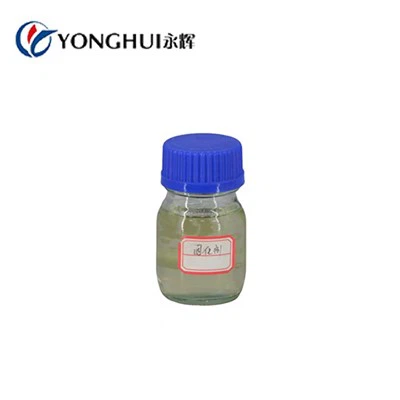


Hey there! As a supplier of DDM (Diaminodiphenylmethane), I often get asked about the quality standards for this chemical. So, I thought I'd take a moment to break it down for you all.
First off, let's talk about what DDM is. DDM, also known as 4,4-Diaminodiphenylmethane, is a crucial chemical in various industries. It's widely used in the production of polyurethanes, epoxy resins, and other high - performance polymers. These end - products find applications in aerospace, automotive, and construction sectors, among others.
Purity
One of the most important quality standards for DDM is purity. High - purity DDM is essential because impurities can significantly affect the performance of the final products. For example, in the aerospace industry, where safety and reliability are of utmost importance, even a small amount of impurity in DDM used to make epoxy resins can lead to reduced mechanical strength and durability of the composite materials.
Typically, the purity of DDM should be at least 99%. This high level of purity ensures that the chemical reactions during the production of polymers proceed as expected. When the purity is lower, side reactions may occur, leading to the formation of unwanted by - products. These by - products can change the physical and chemical properties of the final polymer, such as its melting point, viscosity, and hardness.
Isomer Content
DDM exists in different isomeric forms. The most common and useful isomer is 4,4′ - Methylenedi - Aniline, also known as 4,4′-Methylenedi-Aniline. The content of this specific isomer is another key quality parameter.
In most industrial applications, a high content of the 4,4′ isomer is desired. This is because the 4,4′ isomer has more consistent and predictable reactivity compared to other isomers. For instance, in the production of polyurethanes, a higher 4,4′ isomer content in DDM can lead to better - defined polymer structures, resulting in improved performance characteristics such as elasticity, abrasion resistance, and chemical resistance.
The isomer content is usually measured using advanced analytical techniques like high - performance liquid chromatography (HPLC). By accurately measuring the isomer content, we can ensure that the DDM meets the specific requirements of our customers.
Moisture Content
Moisture can have a detrimental effect on DDM. When DDM absorbs moisture from the environment, it can undergo hydrolysis reactions. These reactions can break down the DDM molecules, reducing its purity and reactivity.
The moisture content in DDM should be kept as low as possible, typically below 0.1%. To achieve this, we store DDM in sealed containers in a dry environment. During transportation, we also take extra precautions to prevent moisture ingress. For example, we use moisture - resistant packaging materials and may even include desiccants in the packaging.
Color and Appearance
The color and appearance of DDM can also be an indicator of its quality. High - quality DDM is usually a white to light - yellow crystalline solid. A significant change in color, such as a darkening of the crystals, may indicate the presence of impurities or degradation products.
Discoloration can occur due to oxidation or the presence of trace amounts of heavy metals. For example, if DDM is exposed to air for a long time, it may oxidize, leading to a change in color. In some cases, the presence of heavy metals like iron or copper can catalyze oxidation reactions, causing the DDM to turn darker.
We regularly inspect the color and appearance of our DDM batches. If we notice any abnormal color changes, we immediately conduct further tests to determine the cause and ensure that the product meets our quality standards.
Particle Size
In some applications, the particle size of DDM can be important. For example, in the production of epoxy resins, a consistent particle size can improve the mixing process. If the particle size is too large, it may not dissolve evenly in the resin, leading to inhomogeneous mixtures.
We control the particle size of our DDM through a combination of manufacturing processes and post - production sieving. By ensuring a consistent particle size, we can provide our customers with a product that is easier to handle and use in their manufacturing processes.
Regulatory Compliance
In addition to these physical and chemical quality standards, DDM must also comply with various regulatory requirements. DDM is a hazardous chemical, and its production, storage, transportation, and use are regulated by different government agencies around the world.
For example, in the European Union, DDM is subject to the REACH (Registration, Evaluation, Authorization and Restriction of Chemicals) regulation. This regulation requires us to provide detailed information about the properties, uses, and potential risks of DDM. We also need to ensure that our production processes are environmentally friendly and that we take appropriate measures to protect the health and safety of our employees and the general public.
Why Choose Our DDM?
As a supplier, we take pride in providing high - quality DDM that meets all these quality standards. We have a state - of - the - art manufacturing facility equipped with the latest technology to ensure the purity, isomer content, and other quality parameters of our DDM.
Our quality control team conducts rigorous tests on every batch of DDM before it leaves our facility. We use advanced analytical equipment and follow strict testing protocols to ensure the accuracy and reliability of our results.


We also offer customized solutions to our customers. If you have specific requirements for DDM, such as a particular isomer content or particle size, we can work with you to develop a product that meets your exact needs. For example, if you are in the automotive industry and need DDM with a specific reactivity for a new polyurethane formulation, we can adjust our manufacturing process to produce the right product for you.
If you're in the market for high - quality DDM, whether you're involved in the production of MDA - 60(4,4 - Methylenedianiline) or other related products, we'd love to hear from you. We can provide you with samples for testing and discuss your specific requirements in detail.
If you're interested in learning more about our DDM products or have any questions about the quality standards, don't hesitate to reach out. We're here to help you find the best DDM solution for your business.
References
- Smith, J. (2020). Chemical Properties and Applications of Diaminodiphenylmethane. Journal of Industrial Chemistry, 45(2), 123 - 135.
- Johnson, A. (2019). Quality Control in the Production of Diaminodiphenylmethane. International Journal of Chemical Manufacturing, 32(3), 201 - 210.
- Brown, C. (2021). The Impact of Impurities on DDM - Based Polymers. Polymer Science Review, 50(1), 56 - 68.