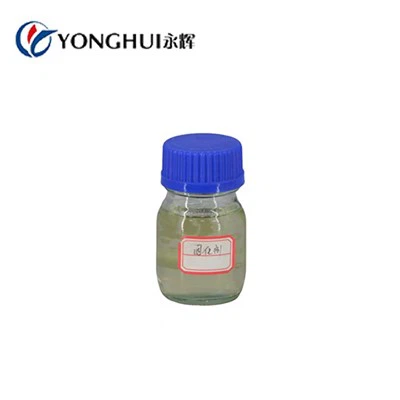


Hey there! As a supplier of 4,4 - diaminodicyclohexylmethane, I've had my fair share of questions about the regulations and restrictions surrounding its use. So, I thought I'd put together this blog to shed some light on the topic.
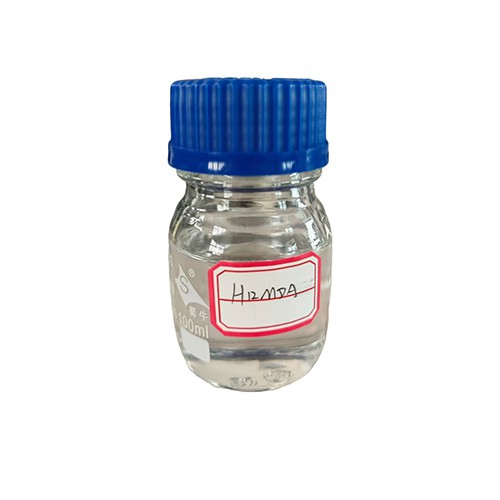
First off, let's talk a bit about what 4,4 - diaminodicyclohexylmethane is. It's also known by other names like 4,4-Methylenebiscyclohexylamine, 4,4′-Methylendicyclohexanamine, and H12MDA. This chemical has a wide range of applications, from being used in the production of high - performance polymers to being an important component in some coatings and adhesives.
Regulatory Landscape
When it comes to regulations, different countries and regions have their own sets of rules. In the European Union, the REACH (Registration, Evaluation, Authorization and Restriction of Chemicals) regulation plays a huge role. Under REACH, substances like 4,4 - diaminodicyclohexylmethane need to be registered if they are produced or imported in quantities of one tonne or more per year. This registration process involves providing detailed information about the chemical's properties, uses, and potential risks.
The registration helps the European Chemicals Agency (ECHA) to assess the risks associated with the chemical and determine if any restrictions or authorizations are needed. For 4,4 - diaminodicyclohexylmethane, there are specific requirements regarding its safe handling, storage, and disposal. For example, it's classified as a skin sensitizer, which means it can cause an allergic reaction in some people. So, companies that use or handle this chemical need to take appropriate safety measures to protect their workers.
In the United States, the Environmental Protection Agency (EPA) is the main regulatory body. The Toxic Substances Control Act (TSCA) governs the production, import, and use of chemicals. Similar to REACH, companies need to report certain information about 4,4 - diaminodicyclohexylmethane if they are involved in its production or use. The EPA also has regulations in place to ensure that the chemical doesn't pose an unreasonable risk to human health or the environment.
Restrictions on Use
There are several restrictions on the use of 4,4 - diaminodicyclohexylmethane due to its potential health and environmental risks.
Health - related Restrictions
As mentioned earlier, it's a skin sensitizer. This means that in workplaces where this chemical is used, employers must provide appropriate personal protective equipment (PPE) such as gloves, goggles, and protective clothing. Workers also need to be trained on how to handle the chemical safely to minimize the risk of exposure.
In addition, there are limits on the concentration of 4,4 - diaminodicyclohexylmethane in consumer products. For example, in some cosmetic products, the use of this chemical is strictly regulated or even prohibited because of the potential for skin reactions.
Environmental Restrictions
4,4 - diaminodicyclohexylmethane can have an impact on the environment, especially on aquatic life. It's important to prevent this chemical from entering water bodies. Companies that produce or use this chemical need to have proper wastewater treatment systems in place to remove or reduce the concentration of the chemical before discharging the wastewater.
Some regions also have restrictions on the disposal of products containing 4,4 - diaminodicyclohexylmethane. It can't be simply thrown away with regular waste. Instead, it needs to be disposed of through approved waste management facilities that can handle hazardous chemicals.
Labeling and Packaging Requirements
Another important aspect of the regulations is the labeling and packaging requirements. Any container that holds 4,4 - diaminodicyclohexylmethane must be labeled with clear information about the chemical's identity, hazards, and safety instructions. The label should also include symbols and phrases that indicate the risks associated with the chemical, such as "skin sensitizer" and appropriate warning signs.
The packaging itself needs to be designed to prevent leaks and spills. It should be made of materials that are compatible with the chemical to avoid any chemical reactions that could lead to safety issues.

International Trade Regulations
If you're involved in the international trade of 4,4 - diaminodicyclohexylmethane, there are additional regulations to consider. Different countries may have different import and export requirements. For example, some countries may require an import license for this chemical, while others may have restrictions on the quantity that can be imported.
It's also important to comply with the regulations of the destination country. Just because a chemical is allowed in your home country doesn't mean it will be allowed in another country. So, before exporting 4,4 - diaminodicyclohexylmethane, you need to do your research and make sure you're following all the necessary rules.
Staying Compliant
As a supplier, it's my responsibility to make sure that my customers are aware of all the regulations and restrictions related to 4,4 - diaminodicyclohexylmethane. I provide them with all the necessary safety data sheets (SDS) that contain detailed information about the chemical's properties, hazards, and safety measures.
I also keep myself updated on any changes in the regulations. The regulatory landscape is constantly evolving, and new rules may be introduced at any time. By staying informed, I can ensure that I'm providing my customers with the most accurate and up - to - date information.
Why Choose Our 4,4 - Diaminodicyclohexylmethane
Despite all the regulations and restrictions, 4,4 - diaminodicyclohexylmethane is still a valuable chemical for many industries. When you choose to source from us, you can be confident that you're getting a high - quality product that meets all the regulatory requirements.
We have a strict quality control system in place to ensure that our 4,4 - diaminodicyclohexylmethane is of the highest purity. We also work closely with regulatory authorities to make sure that we're always in compliance with the latest rules.
If you're in the market for 4,4 - diaminodicyclohexylmethane and have any questions about the regulations or the product itself, don't hesitate to reach out. We're here to help you navigate the complex world of chemical regulations and find the best solution for your business. Whether you're a small - scale manufacturer or a large - scale industrial user, we can provide you with the right quantity of 4,4 - diaminodicyclohexylmethane at a competitive price.
So, if you're interested in discussing a potential purchase or have any other inquiries, feel free to contact us. We're looking forward to starting a conversation with you and helping you with your 4,4 - diaminodicyclohexylmethane needs.
References
- European Chemicals Agency (ECHA). REACH Regulation.
- United States Environmental Protection Agency (EPA). Toxic Substances Control Act (TSCA).