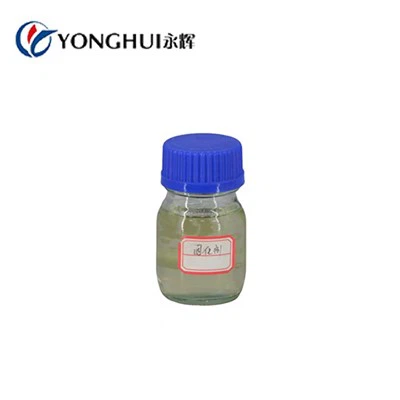


H12MDA, also known as 4,4'-Methylenebis(cyclohexylamine), is a crucial chemical compound with a wide range of industrial applications. As a trusted supplier of H12MDA, we understand the importance of proper storage to maintain its quality and safety. In this blog post, we will delve into the specific storage requirements for H12MDA, ensuring that you can handle this chemical with confidence.
Chemical Properties of H12MDA
Before discussing storage requirements, it's essential to understand the chemical properties of H12MDA. H12MDA is a colorless to pale yellow liquid or solid at room temperature, depending on its purity and isomer ratio. It has a molecular formula of C13H26N2 and a molecular weight of approximately 210.36 g/mol. This compound is known by several names, including 4,4-diaminodicyclohexylmethane, 4,4-Methylenebiscyclohexylamine, and 4,4′-Methylendicyclohexanamine.
H12MDA is highly reactive due to the presence of two amino groups, which makes it a valuable intermediate in the production of polyurethanes, epoxy resins, and other polymers. However, these reactive groups also make it sensitive to certain environmental conditions, necessitating careful storage.
Temperature and Humidity Control
One of the most critical factors in storing H12MDA is temperature control. H12MDA should be stored in a cool, dry place away from direct sunlight and heat sources. The ideal storage temperature range for H12MDA is between 20°C and 30°C (68°F and 86°F). Temperatures outside this range can cause the chemical to degrade, leading to a loss of quality and potentially hazardous conditions.
High humidity can also pose a risk to H12MDA. Moisture can react with the amino groups in H12MDA, leading to the formation of unwanted by-products and reducing the effectiveness of the compound. Therefore, it is essential to store H12MDA in a low-humidity environment, preferably with a relative humidity of less than 60%.
Storage Containers
The choice of storage container is another important consideration when storing H12MDA. The container should be made of a material that is compatible with H12MDA and resistant to corrosion. Suitable materials for storage containers include stainless steel, polyethylene, and polypropylene.
It is also important to ensure that the storage container is tightly sealed to prevent the ingress of air, moisture, and other contaminants. This will help to maintain the quality of H12MDA and prevent the formation of hazardous conditions.
Ventilation
Proper ventilation is essential when storing H12MDA. H12MDA can release vapors that are irritating to the eyes, skin, and respiratory system. Therefore, it is important to store H12MDA in a well-ventilated area to prevent the accumulation of these vapors.
If possible, the storage area should be equipped with a ventilation system that can remove any vapors that may be released. This will help to protect the health and safety of anyone working in the area.
Handling and Storage Procedures
In addition to the above storage requirements, it is also important to follow proper handling and storage procedures when working with H12MDA. These procedures include:
- Personal Protective Equipment (PPE): Always wear appropriate PPE, such as gloves, goggles, and a respirator, when handling H12MDA. This will help to protect you from the chemical's irritant and toxic properties.
- Labeling: Ensure that all storage containers are clearly labeled with the name of the chemical, the hazard warnings, and the storage requirements. This will help to prevent accidental exposure and ensure that the chemical is stored correctly.
- Separation: Store H12MDA away from other chemicals, especially oxidizing agents, acids, and bases. These chemicals can react with H12MDA, leading to a potentially hazardous situation.
- Inspection: Regularly inspect the storage containers for signs of damage or leakage. If any damage or leakage is detected, the container should be replaced immediately, and the chemical should be transferred to a new container.
- Emergency Preparedness: Have an emergency plan in place in case of a spill or other incident involving H12MDA. This plan should include procedures for dealing with spills, fires, and other emergencies, as well as the contact information for emergency responders.
Regulatory Compliance
When storing H12MDA, it is important to comply with all relevant regulations and standards. These regulations may include local, national, and international laws regarding the storage, handling, and transportation of hazardous chemicals.
As a supplier of H12MDA, we are committed to providing our customers with the information and support they need to comply with these regulations. We can provide you with safety data sheets (SDS) for H12MDA, which contain detailed information about the chemical's properties, hazards, and handling procedures.


Conclusion
Proper storage of H12MDA is essential to maintain its quality and safety. By following the storage requirements outlined in this blog post, you can ensure that your H12MDA is stored correctly and that you are protecting the health and safety of yourself and others.
If you have any questions or concerns about the storage of H12MDA, please do not hesitate to contact us. We are a leading supplier of H12MDA and have extensive experience in handling and storing this chemical. We can provide you with the information and support you need to ensure that your H12MDA is stored safely and effectively.
Whether you are a small business or a large industrial manufacturer, we can provide you with high-quality H12MDA at competitive prices. Contact us today to discuss your requirements and to learn more about how we can help you with your H12MDA needs.
References
- "H12MDA - 4,4'-Methylenebis(cyclohexylamine) Technical Data Sheet." [Your Supplier's Name], [Date of Publication].
- "Safety Data Sheet for H12MDA." [Your Supplier's Name], [Date of Publication].
- "Regulations for the Storage and Handling of Hazardous Chemicals." [Regulatory Agency], [Date of Publication].