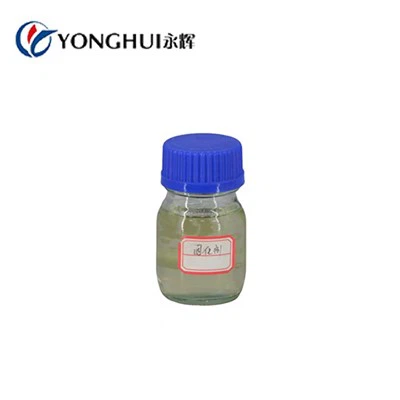


Hey there! As a supplier of MDA - 100, I often get asked one really interesting question: "What is the color of MDA - 100?" Well, let's dive right into this topic and clear up all the confusion.
First off, MDA - 100, also known as 4,4 - Diaminodiphenylmethane, 4,4′ - Methylenedi - Aniline, or 4,4′ - Methylene(bisaniline), is a crucial chemical compound in various industries. But when it comes to its color, it's not as straightforward as you might think.
Under normal conditions, pure MDA - 100 is a white to slightly yellow crystalline solid. The whiteness is a sign of high purity. When the compound is freshly synthesized and well - refined, it presents that clean, white appearance, similar to the look of fine table salt or some white sugar crystals. This pure form is highly sought after in industries where the quality and consistency of the final product are of utmost importance.
However, things can get a bit different in the real - world scenario. Exposure to air, light, and moisture can cause MDA - 100 to change color. Over time, it may start to turn yellowish or even brown. Oxidation is the main culprit here. The amino groups in the MDA - 100 molecule are quite reactive. When they come into contact with oxygen in the air, a series of chemical reactions occur, leading to the formation of colored by - products.
Light also plays a significant role. Ultraviolet (UV) light from the sun or strong artificial light sources can accelerate the oxidation process. So, if you store MDA - 100 in a place where it's exposed to direct sunlight for extended periods, you'll notice a more rapid color change.
Moisture is another factor. Water can dissolve some of the MDA - 100 and promote hydrolysis reactions. These reactions can break down the compound and also contribute to the discoloration. Even a small amount of humidity in the storage environment can have an impact over time.
Now, you might be wondering why the color change matters. Well, in many industries, the color of MDA - 100 can be an indicator of its quality and stability. For example, in the production of polyurethanes, which are used in foams, coatings, and elastomers, the color of the MDA - 100 used can affect the appearance and performance of the final product. A yellow or brown - tinged MDA - 100 might introduce unwanted color to the polyurethane foam, making it less aesthetically pleasing.
In the rubber industry, where MDA - 100 is used as a curing agent, the color change can also be a concern. The presence of colored impurities might affect the vulcanization process and the mechanical properties of the rubber. So, manufacturers often prefer to use the pure, white form of MDA - 100 to ensure the best possible results.
As a supplier, we take great care in handling and storing MDA - 100 to maintain its quality. We store it in sealed containers, away from light and moisture. We also use advanced packaging materials that can protect the compound from oxidation. But even with all these precautions, there's always a slight risk of color change during transportation and long - term storage.
When you receive a batch of MDA - 100 from us, you can expect it to be as close to the pure white color as possible. But if you notice a slight yellowing, don't panic right away. In most cases, it doesn't necessarily mean that the product is completely unusable. We can provide you with detailed analysis reports to show the purity and quality of the product, even if there's a minor color change.
In addition to the color, the physical state of MDA - 100 is also important. It has a melting point of around 89 - 92°C. So, at room temperature, it remains a solid. But when heated, it will gradually melt into a liquid. This property is crucial in its industrial applications. For example, in some manufacturing processes, the MDA - 100 needs to be in a liquid state to be mixed evenly with other chemicals.
The solubility of MDA - 100 is another aspect worth mentioning. It's soluble in organic solvents like ethanol, acetone, and chloroform. This solubility allows it to be easily incorporated into various chemical formulations. But it's almost insoluble in water, which is why moisture in the storage environment can be such a problem.
Now, let's talk about the applications of MDA - 100. As I mentioned earlier, it's widely used in the production of polyurethanes. Polyurethanes are everywhere in our daily lives. From the soft foam in our sofas and mattresses to the hard coatings on our cars, MDA - 100 plays a vital role in making these products possible.
In the adhesives industry, MDA - 100 is used to improve the bonding strength and durability of adhesives. It can react with other components in the adhesive formulation to form strong chemical bonds, making the adhesive more reliable.


The electrical and electronics industry also benefits from MDA - 100. It's used in the production of insulating materials and encapsulants. These materials protect electronic components from moisture, dust, and mechanical damage.
So, as you can see, MDA - 100 is a really important chemical with a wide range of applications. And understanding its color and the factors that affect it is crucial for both suppliers like us and our customers.
If you're in an industry that uses MDA - 100 and you're looking for a reliable supplier, we're here to help. We have years of experience in the production and supply of high - quality MDA - 100. We can provide you with the purest form of the compound and offer comprehensive technical support. Whether you have questions about storage, handling, or the color of the product, our team of experts is ready to assist you.
Don't hesitate to reach out to us if you're interested in purchasing MDA - 100. We're committed to providing you with the best products and services. Let's have a chat and see how we can meet your specific needs.
References:
- Chemical Safety Data Sheets for MDA - 100
- Industry reports on the applications of MDA - 100 in various sectors
- Research papers on the oxidation and color change of aromatic amines