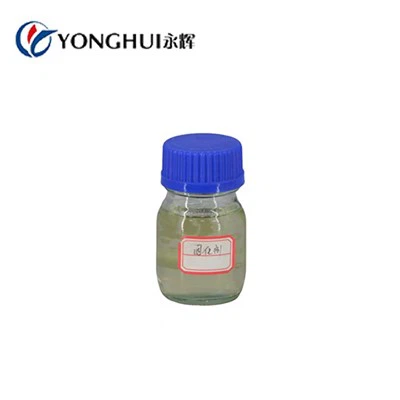


Yo! As a supplier of Two-component Epoxy Resin, I often get asked about the flexibility of cured two - component epoxy resin. So, I thought I'd share some insights on this topic.
First off, let's understand what two - component epoxy resin is. It's a type of resin that consists of two parts: a resin and a hardener. When these two parts are mixed together, a chemical reaction occurs, and the resin cures to form a solid material. This Two-component Epoxy Resin is widely used in various industries, like electronics, construction, and automotive, because of its excellent adhesion, chemical resistance, and mechanical properties.
Now, the flexibility of cured two - component epoxy resin is a crucial factor. Flexibility refers to the ability of the cured resin to bend or deform without breaking. This property is super important in applications where the material might be subjected to stress, vibration, or movement.
There are several factors that can affect the flexibility of cured two - component epoxy resin. One of the main factors is the formulation of the resin. Different resin and hardener combinations can result in cured materials with different levels of flexibility. For example, some formulations are designed to be more rigid, while others are formulated to be more flexible. Resin suppliers often offer a range of products with different flexibility characteristics to meet the diverse needs of their customers.
The ratio of the resin to the hardener also plays a significant role. If the ratio is off, it can impact the curing process and the final properties of the cured resin. Using too much hardener can make the cured resin more brittle, while using too little can result in incomplete curing and a softer, less durable material. It's essential to follow the manufacturer's instructions carefully when mixing the two components to achieve the desired flexibility.
Another factor is the curing conditions. Temperature and humidity can affect how the resin cures and, consequently, its flexibility. Curing at a higher temperature generally speeds up the curing process, but it can also lead to a more rigid cured resin. On the other hand, curing at a lower temperature might result in a more flexible material, but it can take longer for the resin to fully cure.
So, why is flexibility so important? Well, in the electronics industry, Electrical Epoxy Resin is often used to encapsulate electronic components. These components can generate heat during operation, which can cause them to expand and contract. A flexible epoxy resin can accommodate these dimensional changes without cracking, protecting the components from environmental factors and ensuring their long - term reliability.
In the construction industry, flexibility is important for applications like flooring and adhesives. Flooring materials need to be able to withstand foot traffic and movement without cracking. Flexible epoxy adhesives can bond different materials together, even when they have different expansion and contraction rates, preventing the bond from failing over time.
In the automotive industry, flexible epoxy resins are used for various purposes, such as sealing and bonding. They can withstand the vibrations and shocks that vehicles experience during operation, ensuring that the components stay in place and function properly.
Let's talk about some of the benefits of using a flexible cured two - component epoxy resin. One of the biggest benefits is its ability to absorb energy. When a flexible resin is subjected to stress, it can deform and absorb the energy, rather than transferring it to other parts of the structure. This can help prevent damage and increase the overall durability of the product.
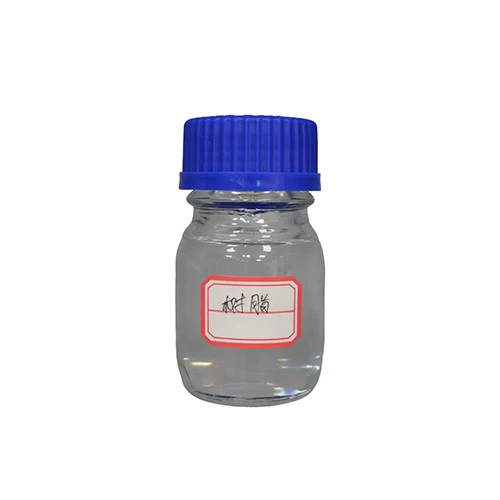

Flexible epoxy resins also have good fatigue resistance. They can withstand repeated cycles of stress and deformation without losing their properties. This makes them ideal for applications where the material will be subjected to long - term stress, like in machinery or structural components.
Moreover, flexible epoxy resins can provide a better seal. They can conform to irregular surfaces and fill gaps more effectively than rigid resins, creating a more reliable seal against moisture, chemicals, and other contaminants.
As a supplier of Two-component Epoxy Resin, I've seen firsthand how important flexibility can be in different applications. That's why we offer a wide range of products with varying levels of flexibility. Whether you need a highly flexible resin for a demanding application or a more rigid one for a standard project, we've got you covered.
If you're working on a project that requires a specific level of flexibility in your epoxy resin, it's a good idea to test different products. You can request samples from your supplier and conduct some tests to see how they perform under the conditions of your application. This will help you choose the right product for your needs.
We also offer technical support to our customers. Our team of experts can help you understand the different factors that affect flexibility and recommend the best product for your project. We can also provide guidance on how to mix and apply the resin to achieve the desired results.
In addition to the standard products, we can also develop custom formulations. If you have unique requirements for flexibility or other properties, we can work with you to create a resin that meets your exact specifications. This can give you a competitive edge in your industry by allowing you to use a material that is tailored to your specific needs.
If you're interested in learning more about the flexibility of cured two - component epoxy resin or if you're looking for a reliable supplier, don't hesitate to reach out. We're here to help you find the right solution for your project. Whether you're in the electronics, construction, automotive, or any other industry, we have the expertise and the products to meet your needs.
In conclusion, the flexibility of cured two - component epoxy resin is a complex but important property. It can be influenced by many factors, including the formulation, the mixing ratio, and the curing conditions. Understanding these factors and choosing the right resin for your application can make a big difference in the performance and durability of your product. So, if you're in the market for Two-component Epoxy Resin, give us a shout, and let's start a conversation about your project.
References
- "Handbook of Epoxy Resins" by Lee and Neville
- "Epoxy Resins: Chemistry and Technology" by Clayton A. May