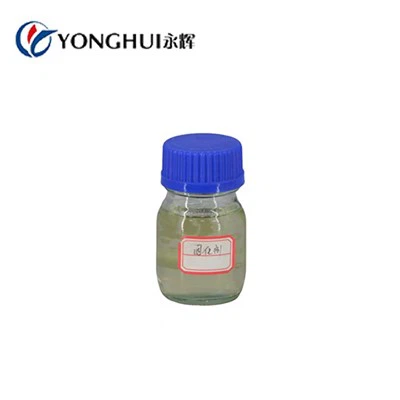
As a trusted supplier of Z - 133 Expoxy Resin Curing Agent, I often receive inquiries about the tensile strength of the cured product. In this blog, I will delve into the details of the tensile strength of the cured Z - 133 and explore the factors that influence it.
Understanding Tensile Strength
Tensile strength is a fundamental mechanical property that measures the maximum amount of tensile (pulling) stress a material can withstand before it fails or breaks. For the cured product of Z - 133 Expoxy Resin Curing Agent, a high tensile strength indicates that it can resist pulling forces effectively, which is crucial in many applications such as structural adhesives, composite materials, and coatings.
The Role of Z - 133 in Achieving Tensile Strength
Z - 133 Expoxy Resin Curing Agent is specifically formulated to react with epoxy resins to form a cross - linked polymer network. This network structure is responsible for the mechanical properties of the cured product, including its tensile strength. The chemical composition of Z - 133 allows for a high degree of cross - linking, which in turn enhances the intermolecular forces within the cured material. As a result, the cured product can withstand significant tensile forces without deformation or failure.
Factors Affecting the Tensile Strength of the Cured Z - 133 Product
1. Mixing Ratio
The ratio of Z - 133 to the epoxy resin is a critical factor. An improper mixing ratio can lead to incomplete curing or an unbalanced cross - linking structure. If there is too little Z - 133, the epoxy resin may not cure fully, resulting in a weak and brittle product with low tensile strength. On the other hand, an excess of Z - 133 can cause over - cross - linking, which may also reduce the flexibility and tensile strength of the cured material. It is essential to follow the recommended mixing ratio provided in the product data sheet to achieve optimal tensile strength.


2. Curing Conditions
Curing temperature and time play a vital role in determining the tensile strength of the cured product. Higher curing temperatures generally accelerate the curing reaction, leading to a more rapid formation of the cross - linked network. However, if the temperature is too high, it may cause thermal degradation of the polymer, reducing its tensile strength. Similarly, insufficient curing time may result in an incomplete cross - linking process, resulting in a weaker material. It is recommended to cure the Z - 133 and epoxy resin mixture at the specified temperature and for the appropriate duration to ensure maximum tensile strength.
3. Epoxy Resin Type
Different epoxy resins have different chemical structures and properties, which can affect the final tensile strength of the cured product when combined with Z - 133. Some epoxy resins may have a higher functionality, allowing for more extensive cross - linking with Z - 133, resulting in a stronger cured material. Therefore, it is important to select the appropriate epoxy resin based on the specific requirements of the application to achieve the desired tensile strength.
Measuring the Tensile Strength of the Cured Z - 133 Product
The tensile strength of the cured Z - 133 product is typically measured using a universal testing machine. A test specimen is prepared according to the relevant standards, such as ASTM D638 or ISO 527. The specimen is then placed in the testing machine, and a gradually increasing tensile force is applied until the specimen breaks. The maximum force applied before failure is recorded, and the tensile strength is calculated by dividing this force by the original cross - sectional area of the specimen.
Comparison with Other Curing Agents
When comparing Z - 133 with other curing agents such as MDA - 100(4,4 - Methylenedianiline), MDA - 60(4,4 - Methylenedianiline), and 4,4 - Diaminodiphenylmethane, Z - 133 offers several advantages in terms of tensile strength. Z - 133 is designed to provide a more balanced cross - linking structure, resulting in a cured product with higher tensile strength and better flexibility. Additionally, Z - 133 has a lower toxicity compared to some of these traditional curing agents, making it a more environmentally friendly and safer option.
Applications of Z - 133 Based on Tensile Strength
The high tensile strength of the cured Z - 133 product makes it suitable for a wide range of applications. In the aerospace industry, it can be used as an adhesive for bonding structural components, where high strength and reliability are essential. In the automotive industry, Z - 133 can be used in composite materials for body panels and engine components, providing excellent mechanical properties and resistance to impact. In the construction industry, it can be used in coatings and floorings to enhance the durability and strength of the surfaces.
Conclusion
The tensile strength of the cured product of Z - 133 Expoxy Resin Curing Agent is a crucial property that is influenced by various factors such as mixing ratio, curing conditions, and epoxy resin type. By understanding these factors and following the recommended guidelines, users can achieve optimal tensile strength in their applications. Z - 133 offers a competitive advantage over other curing agents in terms of strength, flexibility, and environmental friendliness.
If you are interested in learning more about Z - 133 Expoxy Resin Curing Agent or would like to discuss your specific application requirements, please feel free to contact us. We are committed to providing high - quality products and excellent technical support to help you achieve the best results in your projects.
References
- ASTM D638 - Standard Test Method for Tensile Properties of Plastics.
- ISO 527 - Plastics - Determination of tensile properties.
- Product data sheet of Z - 133 Expoxy Resin Curing Agent.