

Are there any studies on MTHPA?
As a supplier of MTHPA (Methyl Tetrahydrophthalic Anhydride), I've often been asked about the existing studies on this chemical compound. MTHPA is a crucial raw material in various industries, and understanding the research behind it can provide valuable insights for both manufacturers and end - users.
Chemical Structure and Properties
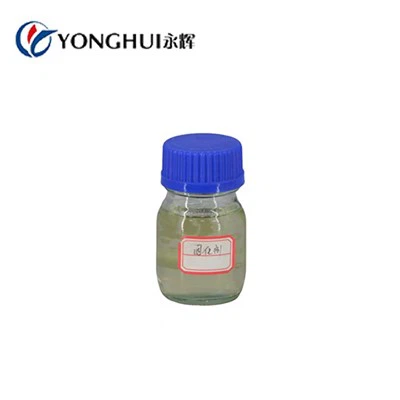
MTHPA, also known as Tetrahydromethyl - 1,3 - isobenzofurandione, has a unique chemical structure that contributes to its distinctive properties. Tetrahydromethyl - 1,3 - isobenzofurandione is a cyclic anhydride, which gives it high reactivity. It is a clear to pale - yellow liquid with a relatively low viscosity at room temperature. This low viscosity makes it easy to handle during manufacturing processes, such as in the production of epoxy resins.
The chemical stability of MTHPA is another important aspect. It has good resistance to heat and chemical agents, which is why it is widely used in applications where durability is required. For example, in the electrical and electronics industry, MTHPA - based epoxy resins can protect electronic components from environmental factors like moisture and chemicals.
Studies on Applications
Epoxy Resin Curing
One of the most well - studied applications of MTHPA is in the curing of epoxy resins. Epoxy resins are widely used in coatings, adhesives, and composite materials. MTHPA acts as a curing agent, reacting with the epoxy groups in the resin to form a three - dimensional cross - linked network.
Numerous studies have focused on optimizing the curing process. Researchers have investigated the effect of different ratios of MTHPA to epoxy resin on the mechanical properties of the cured product. For instance, a study published in a leading polymer science journal found that a specific ratio of MTHPA to epoxy resin resulted in the highest tensile strength and hardness of the cured epoxy. This knowledge is crucial for manufacturers as it allows them to tailor the properties of their products according to the specific requirements of different applications.
In the field of coatings, MTHPA - cured epoxy coatings have been studied for their corrosion resistance. A research project in a corrosion science laboratory showed that these coatings can form a protective barrier on metal surfaces, significantly reducing the rate of corrosion. This is particularly important in industries such as oil and gas, where pipelines and storage tanks are exposed to harsh environments.
Composite Materials
MTHPA is also used in the production of composite materials, such as carbon fiber - reinforced polymers (CFRPs). CFRPs are known for their high strength - to - weight ratio, which makes them ideal for aerospace and automotive applications. Studies have explored how MTHPA affects the interfacial bonding between the carbon fibers and the epoxy matrix.
A research team from a well - known aerospace research institute found that MTHPA can improve the adhesion between the fibers and the matrix, resulting in better mechanical performance of the CFRP. This improvement in interfacial bonding can enhance the overall strength and stiffness of the composite material, making it more suitable for use in critical aerospace components.


Toxicology and Safety Studies
Safety is a top concern when dealing with any chemical substance. There have been extensive studies on the toxicology of MTHPA. Inhalation, skin contact, and ingestion are the main routes of exposure to MTHPA.
Studies have shown that MTHPA can cause irritation to the skin, eyes, and respiratory tract. Prolonged or repeated exposure may lead to more severe health effects, such as allergic reactions. However, proper safety measures, such as the use of personal protective equipment (PPE) and good ventilation in workplaces, can significantly reduce the risk of exposure.
Regulatory bodies around the world have set limits on the allowable exposure levels of MTHPA. For example, the Occupational Safety and Health Administration (OSHA) in the United States has established a permissible exposure limit (PEL) for MTHPA in the workplace. These regulations are based on scientific studies to ensure the safety of workers handling MTHPA.
Environmental Impact Studies
The environmental impact of MTHPA is another area of research. When MTHPA is released into the environment, it can have an effect on aquatic and terrestrial ecosystems.
Some studies have investigated the biodegradability of MTHPA. Results suggest that under certain environmental conditions, MTHPA can be biodegraded by microorganisms. However, the rate of biodegradation depends on factors such as temperature, pH, and the presence of other chemicals.
In addition, research has been conducted on the potential bioaccumulation of MTHPA in living organisms. So far, there is limited evidence of significant bioaccumulation, but continuous monitoring is necessary to fully understand the long - term environmental impact of MTHPA.
Market and Industry - Related Studies
Market research studies have also been carried out on MTHPA. These studies analyze the supply and demand trends, price fluctuations, and market growth potential.
The demand for MTHPA is closely related to the growth of industries such as electrical and electronics, automotive, and aerospace. For example, as the demand for lightweight and high - performance materials in the automotive industry increases, the demand for MTHPA - based composite materials is also expected to rise.
Price studies have shown that the price of MTHPA is influenced by factors such as raw material costs, production capacity, and market competition. Understanding these market dynamics is essential for suppliers like us to make informed decisions about production and pricing strategies.
Conclusion
In conclusion, there are indeed numerous studies on MTHPA, covering a wide range of aspects from its chemical properties and applications to its toxicology and environmental impact. These studies provide valuable information for both the scientific community and the industries that use MTHPA.
As a supplier of Methyl Tetrahydrophthalic Anhydride, we are committed to staying updated with the latest research findings. This allows us to provide high - quality MTHPA products that meet the specific needs of our customers. Whether you are in the epoxy resin manufacturing, composite materials production, or any other industry that uses MTHPA, we can offer you the best solutions.
If you are interested in purchasing MTHPA or would like to discuss your specific requirements in more detail, please feel free to contact us for a procurement negotiation. We look forward to working with you to meet your MTHPA needs.
References
- Polymer Science Journal, various issues on epoxy resin curing with MTHPA.
- Corrosion Science Laboratory Reports on MTHPA - cured epoxy coatings.
- Aerospace Research Institute Publications on CFRPs with MTHPA.
- Toxicology Studies from leading toxicology research institutions.
- Environmental Research Journals on MTHPA biodegradability and bioaccumulation.
- Market Research Reports on the MTHPA industry.