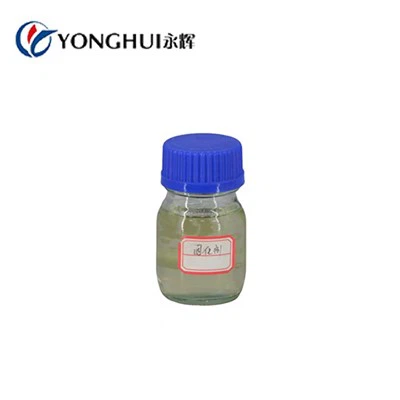


Hey there! I'm a supplier of Casting Epoxy Resin, and today I want to talk about the techniques used for making chess sets with this awesome material. Epoxy resin has become a popular choice for crafting chess sets because of its durability, clarity, and the ability to create some really unique and eye - catching designs.
Preparing the Materials
First things first, you need to gather all the necessary materials. Obviously, you'll need Casting Epoxy Resin. This resin comes in two parts: the resin itself and a hardener. You have to mix them in the right ratio according to the manufacturer's instructions. A good scale is essential here to get the proportions spot - on.
You'll also need molds for the chess pieces. You can buy pre - made molds online or even make your own if you're feeling crafty. Other materials include pigments or dyes if you want to color your chess pieces. There are all sorts of colors available, from bright neon shades to more subtle earth tones. You might also need some tools like mixing cups, stirrers, and a heat gun to get rid of any air bubbles that form during the mixing process.
Mixing the Epoxy Resin
Once you've got all your materials ready, it's time to mix the resin. Start by measuring out the correct amounts of resin and hardener in separate cups. I can't stress enough how important it is to get the ratio right. If you use too much hardener, the resin will cure too quickly and might not set properly. On the other hand, if you use too little, it might take forever to cure or might not cure at all.
Pour the hardener into the resin slowly while stirring gently. Use a stirrer with a flat end to scrape the sides and bottom of the cup to make sure all the resin and hardener are well - mixed. Keep stirring for at least 3 - 5 minutes. This might seem like a long time, but it's crucial for a smooth and even cure.
After mixing, let the resin sit for a few minutes to allow any air bubbles to rise to the surface. You can also use a heat gun on a low setting to pop the bubbles. Just wave the heat gun over the surface of the resin gently, and you'll see the bubbles disappear.
Coloring the Resin
If you want to add some color to your chess pieces, now is the time to do it. You can use liquid pigments or powder dyes. Liquid pigments are usually easier to mix and give a more even color. Just add a few drops of the pigment to the mixed resin and stir well. Start with a small amount and add more if you want a deeper color.
Powder dyes work a bit differently. You'll need to mix them with a small amount of resin first to create a paste, and then add this paste to the main resin mixture. This can take a bit more time and effort, but it can also give you some really cool effects, like a marbled look.
Pouring into the Molds
Once your resin is mixed and colored (if you chose to color it), it's time to pour it into the molds. Use a pouring tool like a small funnel or a syringe to make sure you get the resin into the mold without making a mess. Pour the resin slowly and steadily, filling the mold to the top.
If you're making a two - part mold, make sure to pour the resin into both parts evenly. You can also add some weight or pressure to the mold to make sure the resin fills all the small details. For example, you can place the mold on a flat surface and put a heavy object on top of it.


Curing the Resin
After pouring the resin into the molds, it's time to let it cure. The curing time depends on the type of resin you're using and the temperature of your workspace. Most casting epoxy resins take anywhere from 24 to 72 hours to fully cure.
During the curing process, it's important to keep the molds in a warm and dry place. Avoid moving or disturbing the molds, as this can cause the resin to crack or form uneven surfaces. You can check the resin's progress by gently touching the surface. If it's still sticky, it's not fully cured yet.
Removing the Chess Pieces from the Molds
Once the resin is fully cured, it's time to remove the chess pieces from the molds. Start by carefully peeling the mold away from the piece. If the mold is a two - part mold, separate the two parts first.
Sometimes, the pieces might stick to the mold a bit. You can use a small tool like a toothpick or a craft knife to gently pry the piece loose. Be careful not to damage the piece while doing this.
Finishing Touches
After removing the pieces from the molds, you might need to do some finishing touches. You can sand the pieces to smooth out any rough edges or surfaces. Start with a coarse sandpaper and then move on to a finer one for a really smooth finish.
You can also polish the pieces to give them a shiny look. There are all sorts of polishing compounds available, and you can use a soft cloth to apply the compound and buff the pieces.
Using Special Epoxy Resins for Specific Needs
In some cases, you might need a special type of epoxy resin. For example, if you're making chess sets for electrical or electronic applications, you might want to consider Tranformer Epoxy Resin or Transformers Epoxy Resin Hardener. These resins are designed to have specific electrical properties, like high insulation and heat resistance.
Conclusion
Making chess sets with casting epoxy resin is a fun and rewarding process. It allows you to create unique and personalized chess sets that you can be really proud of. Whether you're a beginner or an experienced crafter, these techniques can help you create some amazing chess pieces.
If you're interested in purchasing casting epoxy resin for your own chess - making projects or other applications, feel free to reach out for more information and to start a procurement discussion. We're here to help you find the right resin for your needs.
References
- Epoxy Resin Handbook: A Guide to Working with Epoxy Resin
- Online tutorials and forums on resin casting and crafting