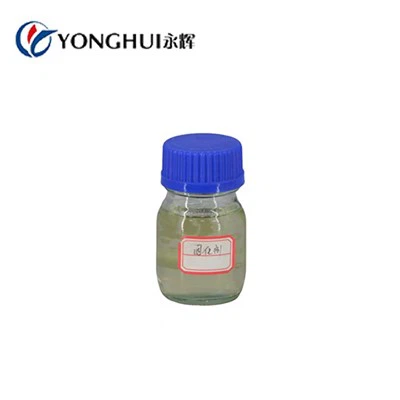


Can injection epoxy resin be used for structural repairs? This is a question that often arises in the fields of construction, engineering, and restoration. As a supplier of injection epoxy resin, I am well - versed in the properties and applications of this remarkable material, and I'm here to provide a comprehensive answer.
Understanding Injection Epoxy Resin
Injection epoxy resin is a type of epoxy resin system designed to be injected into cracks, voids, or cavities in various substrates. It typically consists of two components: a resin and a hardener. When these two components are mixed in the correct ratio, a chemical reaction occurs, resulting in a strong, durable, and often waterproof material.
The Two - component Epoxy Resin we supply is formulated to have excellent adhesion, low viscosity, and high strength. Low viscosity is crucial for injection applications as it allows the resin to flow easily into tight spaces, such as small cracks in concrete or gaps in masonry.
Structural Repairs: What Are They?
Structural repairs involve restoring or strengthening the load - bearing capacity of a structure. This can include repairing cracks in concrete columns, beams, and slabs, stabilizing foundations, and reinforcing masonry walls. The goal of structural repairs is to ensure the long - term safety and integrity of the structure.
Advantages of Using Injection Epoxy Resin for Structural Repairs
High Strength and Bonding
One of the key advantages of injection epoxy resin is its high strength. Once cured, it can form a bond that is stronger than the surrounding substrate in many cases. This means that it can effectively transfer loads across the repaired area, restoring the structural integrity of the damaged component. For example, in a cracked concrete beam, the injected epoxy resin can bond the cracked sections together, allowing the beam to carry loads as if it were intact.
Durability
Epoxy resin is highly resistant to environmental factors such as moisture, chemicals, and temperature variations. This makes it suitable for use in a wide range of applications, including outdoor and industrial structures. It can protect the repaired area from further damage, ensuring the longevity of the repair. For instance, in a coastal building where the structure is exposed to saltwater and high humidity, injection epoxy resin can prevent corrosion and deterioration of the repaired concrete.
Precision Repairs
The low viscosity of injection epoxy resin allows for precise repairs. It can be injected into very small cracks, as small as 0.1 mm in width. This level of precision is difficult to achieve with other repair methods, such as using traditional concrete patching materials. In addition, the resin can be injected under pressure, ensuring that it fills the entire crack or void, leaving no gaps or weak spots.
Minimized Disruption
Compared to other structural repair methods, such as demolition and reconstruction, using injection epoxy resin causes minimal disruption to the normal use of the structure. The injection process is relatively quick and can often be carried out without the need to shut down the entire structure. For example, in a commercial building, a cracked concrete floor can be repaired using injection epoxy resin during off - peak hours, minimizing the impact on business operations.
Applications of Injection Epoxy Resin in Structural Repairs
Concrete Structures
Concrete is one of the most common materials used in construction, and it is prone to cracking due to factors such as shrinkage, overloading, and environmental conditions. Injection epoxy resin can be used to repair cracks in concrete structures, including buildings, bridges, and dams. In a bridge pier with a vertical crack, the epoxy resin can be injected into the crack to prevent water ingress and reinforce the structure.
Masonry Structures
Masonry walls can also benefit from injection epoxy resin repairs. Cracks in brick or stone walls can be stabilized by injecting the resin into the joints and cracks. This can improve the overall stability of the wall and prevent further cracking. In an old historic building with a cracked masonry facade, injection epoxy resin can be used to preserve the architectural integrity while strengthening the structure.
Timber Structures
In timber structures, injection epoxy resin can be used to repair damaged or decayed wood. It can penetrate the wood fibers, bonding them together and restoring the strength of the timber. For example, in a wooden beam with a split, the injected epoxy resin can prevent the split from widening and improve the load - bearing capacity of the beam.
Considerations When Using Injection Epoxy Resin for Structural Repairs
Surface Preparation
Proper surface preparation is essential for a successful repair. The surface of the crack or void must be clean, dry, and free of any loose debris, dust, or contaminants. This can be achieved through methods such as sandblasting, wire brushing, or pressure washing. If the surface is not properly prepared, the adhesion of the epoxy resin may be compromised, leading to a weak repair.
Mixing and Curing
Accurate mixing of the resin and hardener is crucial. The two components must be mixed in the correct ratio, as specified by the manufacturer. Improper mixing can result in incomplete curing, which can affect the strength and durability of the repair. In addition, the curing time and conditions, such as temperature and humidity, must be carefully controlled to ensure optimal performance of the epoxy resin.
Safety
Epoxy resin can be hazardous if not handled properly. It is important to follow all safety precautions, including wearing appropriate personal protective equipment (PPE) such as gloves, goggles, and respirators. Adequate ventilation is also required during the mixing and injection process to prevent the inhalation of fumes.
Other Types of Epoxy Resin for Related Applications
In addition to injection epoxy resin for structural repairs, we also offer Electrical Insulating Epoxy Resin and Electrical Epoxy Resin. These types of epoxy resin are designed for use in electrical applications, such as encapsulating electrical components and providing insulation.
Conclusion
In conclusion, injection epoxy resin can indeed be used for structural repairs. Its high strength, durability, precision, and minimal disruption make it an excellent choice for restoring and strengthening a wide range of structures. However, proper surface preparation, accurate mixing and curing, and safety precautions are essential for a successful repair.

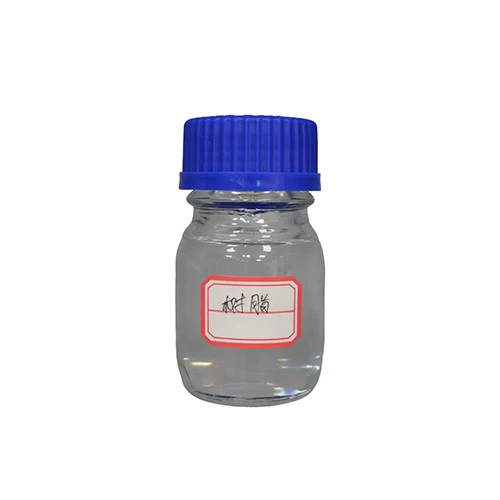
If you are considering using injection epoxy resin for your structural repair project, or if you have any questions about our products, we encourage you to contact us for a detailed discussion. Our team of experts is ready to provide you with the best solutions tailored to your specific needs.
References
- Nawy, E. G. (2019). Reinforced Concrete: A Fundamental Approach. Pearson.
- ACI 224.1R - 17, Guide for the Repair of Cracks in Concrete Structures. American Concrete Institute.
- Marsden, J. (2015). Epoxy Resins: Chemistry and Technology. CRC Press.