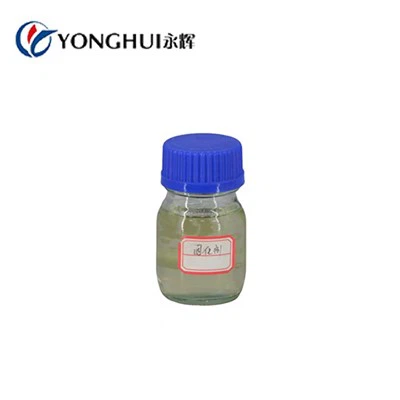


Hey there! As a supplier of Z - 133 Expoxy Resin Curing Agent, I often get asked if our product can be used for coating. Well, let's dig into this topic and find out.
First off, let's understand what an epoxy resin curing agent is. An epoxy resin curing agent is a crucial component in the epoxy resin system. It reacts with the epoxy resin to form a cross - linked polymer network, which gives the epoxy its desired properties like hardness, chemical resistance, and adhesion.
Z - 133 Expoxy Resin Curing Agent has some pretty cool features. It has good reactivity, which means it can quickly react with epoxy resins at a reasonable temperature. This is super important for coating applications because you usually want the coating to dry and cure fast. You don't want to wait around for days for the coating to set.
When it comes to coating, one of the key requirements is adhesion. The coating needs to stick well to the surface it's applied on. Z - 133 has excellent adhesion properties. Whether you're coating metal, concrete, or wood, it forms a strong bond with the substrate. This helps in preventing the coating from peeling or flaking off over time.
Another important aspect of coating is chemical resistance. Coatings are often exposed to various chemicals, such as acids, alkalis, and solvents. Z - 133 provides good chemical resistance, protecting the underlying surface from damage. For example, in industrial settings where machinery and equipment are exposed to harsh chemicals, a coating made with Z - 133 can help extend the lifespan of these assets.
Now, let's talk about the mechanical properties. A good coating should be tough and durable. Z - 133 helps in creating a hard and scratch - resistant coating. This is great for applications where the coated surface might come into contact with sharp objects or experience friction. For instance, in automotive coatings, a scratch - resistant coating can keep the car looking good for longer.


However, like any product, Z - 133 also has some things to consider. The curing process needs to be carefully controlled. If the temperature and humidity are not right during curing, it can affect the final properties of the coating. For example, if it's too humid, the coating might develop a cloudy appearance or have poor adhesion.
Also, the mixing ratio of Z - 133 with the epoxy resin is critical. If you don't mix them in the correct ratio, the curing might not happen properly, and you won't get the desired properties. So, it's important to follow the instructions provided.
Let's compare Z - 133 with some other common curing agents. One well - known curing agent is 4,4 - Diaminodiphenylmethane, also known as MDA - 100(4,4 - Methylenedianiline) or 4,4 - Methylenedianiline. While these curing agents are also used in coating applications, Z - 133 offers some advantages. It has a lower toxicity level compared to some of these traditional curing agents, which is a big plus, especially in applications where safety is a concern.
In terms of cost - effectiveness, Z - 133 is a great option. It provides high - quality performance at a reasonable price. This makes it suitable for both large - scale industrial coating projects and small - scale DIY coating jobs.
There are also different types of coatings where Z - 133 can be used. It can be used in protective coatings, decorative coatings, and even in some high - performance coatings. For example, in marine coatings, where the coating needs to withstand the harsh conditions of saltwater and UV exposure, Z - 133 can be a great choice.
When applying a coating with Z - 133, proper surface preparation is essential. The surface should be clean, dry, and free of any contaminants. This helps in ensuring good adhesion and a smooth finish. You might need to sand the surface, degrease it, or use a primer depending on the substrate.
In conclusion, Z - 133 Expoxy Resin Curing Agent can definitely be used for coating. It offers a range of benefits including fast curing, good adhesion, chemical resistance, and mechanical properties. While there are some factors to consider during the curing process, with proper control, it can produce high - quality coatings.
If you're in the market for a reliable epoxy resin curing agent for your coating projects, I'd highly recommend giving Z - 133 a try. Whether you're an industrial manufacturer or a DIY enthusiast, we can provide you with the right amount of Z - 133 to meet your needs. Get in touch with us to start a conversation about your coating requirements and let's work together to find the best solution for you.
References:
- General knowledge of epoxy resin chemistry and coating technology.
- Product specifications and research on Z - 133 Expoxy Resin Curing Agent.