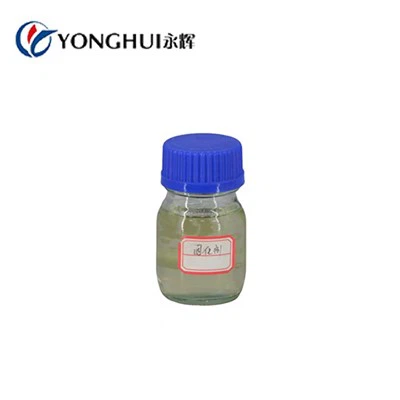


The term "PACM" typically refers to 4,4'-Methylenebis(cyclohexylamine), also known as 4,4-diaminodicyclohexylmethane or H12MDA. As a PACM supplier, I've witnessed firsthand the increasing interest in this chemical due to its wide range of applications in various industries, including coatings, adhesives, and composites. However, the adoption of PACM is not without its challenges. In this blog post, I'll delve into the key challenges that companies face when considering the use of PACM in their products and processes.
Regulatory Hurdles
One of the most significant challenges in adopting PACM is navigating the complex web of regulations governing its use. PACM is subject to strict regulations in many countries, including the European Union, the United States, and China. These regulations aim to protect human health and the environment by controlling the production, use, and disposal of chemicals.
In the European Union, PACM is classified as a Substance of Very High Concern (SVHC) under the Registration, Evaluation, Authorization, and Restriction of Chemicals (REACH) regulation. This classification means that companies using PACM must notify the European Chemicals Agency (ECHA) if the substance is present in their products above a certain threshold. Additionally, companies may need to obtain authorization for the continued use of PACM if it is included in the Authorisation List.
Similarly, in the United States, PACM is regulated by the Environmental Protection Agency (EPA) under the Toxic Substances Control Act (TSCA). The EPA has established specific requirements for the reporting, record-keeping, and use of PACM to ensure its safe handling and disposal.
These regulatory requirements can be time-consuming and costly for companies to comply with. They may need to invest in additional resources, such as regulatory experts and testing facilities, to ensure that they are meeting all the necessary requirements. Failure to comply with these regulations can result in significant fines and legal consequences, which can have a negative impact on a company's reputation and bottom line.
Health and Safety Concerns
Another challenge in adopting PACM is addressing the health and safety concerns associated with its use. PACM is a hazardous chemical that can cause skin irritation, eye damage, and respiratory problems if not handled properly. It is also a potential sensitizer, which means that it can cause an allergic reaction in some individuals.
To minimize the risk of exposure to PACM, companies must implement strict safety measures in their workplace. This includes providing appropriate personal protective equipment (PPE) to employees, such as gloves, goggles, and respirators, and ensuring that they are trained on how to use it correctly. Companies must also establish proper ventilation systems to prevent the accumulation of PACM vapors in the workplace.
In addition to workplace safety, companies must also consider the potential impact of PACM on the environment. PACM is persistent, bioaccumulative, and toxic (PBT), which means that it can remain in the environment for a long time, accumulate in the food chain, and cause harm to wildlife and ecosystems. Therefore, companies must ensure that they are disposing of PACM waste properly and taking steps to minimize its release into the environment.
Cost Considerations
Cost is another important factor that companies must consider when adopting PACM. PACM is a relatively expensive chemical compared to other alternatives, which can make it less attractive for some applications. The high cost of PACM is due to several factors, including its complex manufacturing process, the limited availability of raw materials, and the strict regulatory requirements associated with its production and use.
To offset the high cost of PACM, companies may need to explore alternative materials or processes that can achieve similar performance at a lower cost. However, finding suitable alternatives can be challenging, as PACM has unique properties that make it difficult to replace in some applications. For example, PACM is known for its excellent chemical resistance, high mechanical strength, and good adhesion properties, which make it ideal for use in high-performance coatings and adhesives.
Supply Chain Risks
The adoption of PACM also poses supply chain risks for companies. PACM is a specialty chemical that is produced by a limited number of manufacturers worldwide. This limited supply can make it difficult for companies to secure a reliable source of PACM, especially during periods of high demand or supply disruptions.


In addition to supply availability, companies must also consider the quality and consistency of the PACM they are purchasing. Variations in the quality of PACM can affect the performance of their products and lead to production issues. Therefore, companies must work closely with their suppliers to ensure that they are receiving high-quality PACM that meets their specifications.
To mitigate supply chain risks, companies may need to develop contingency plans, such as identifying alternative suppliers or stockpiling PACM, to ensure that they can continue to meet their production needs in the event of a supply disruption.
Technical Challenges
Finally, companies may face technical challenges when adopting PACM in their products and processes. PACM has unique chemical and physical properties that require specialized knowledge and expertise to handle and process effectively. For example, PACM has a high melting point and viscosity, which can make it difficult to mix with other materials and process at room temperature.
To overcome these technical challenges, companies may need to invest in research and development to optimize their formulations and processes for the use of PACM. They may also need to work closely with their suppliers and technical experts to ensure that they are using PACM correctly and achieving the desired performance in their products.
Conclusion
In conclusion, the adoption of PACM presents several challenges for companies, including regulatory hurdles, health and safety concerns, cost considerations, supply chain risks, and technical challenges. However, despite these challenges, PACM remains a valuable chemical for many applications due to its unique properties and performance benefits.
As a PACM supplier, I understand the challenges that companies face when adopting PACM, and I'm committed to helping them overcome these challenges. We offer high-quality PACM products that meet the strictest regulatory requirements and provide technical support to help our customers optimize their formulations and processes for the use of PACM.
If you're considering using PACM in your products or processes, I encourage you to contact us to learn more about our products and services. Our team of experts can provide you with the information and support you need to make an informed decision and ensure the successful adoption of PACM in your business.
References
- European Chemicals Agency (ECHA). (n.d.). Substances of Very High Concern (SVHC). Retrieved from https://echa.europa.eu/candidate-list-table
- Environmental Protection Agency (EPA). (n.d.). Toxic Substances Control Act (TSCA). Retrieved from https://www.epa.gov/tsca
- 4,4-diaminodicyclohexylmethane
- H12MDA
- 4,4-Methylenebiscyclohexylamine