

Hey there! As a supplier of 4,4-diaminodicyclohexylmethane, I often get asked about how to adjust the curing speed when using this awesome curing agent. So, I thought I'd share some insights and tips based on my experience in the industry.
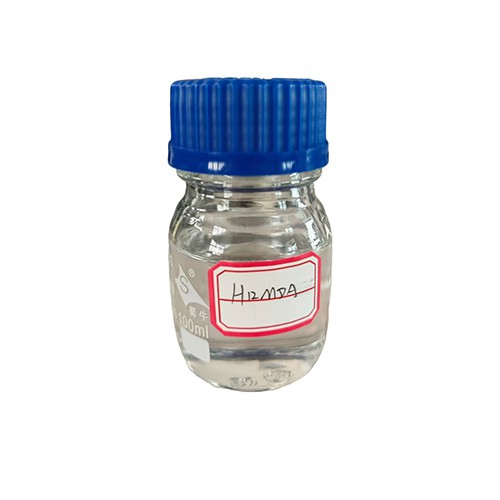
First off, let's quickly introduce 4,4-diaminodicyclohexylmethane. It's also known as 4,4-diaminodicyclohexylmethane, H12MDA, or 4,4-Methylenebiscyclohexylamine. This compound is widely used in various applications, such as epoxy resin curing, due to its excellent chemical and physical properties.

Understanding the Basics of Curing Speed
The curing speed of 4,4-diaminodicyclohexylmethane is crucial in many manufacturing processes. It determines how quickly the material will set and reach its final properties. If the curing speed is too slow, it can lead to longer production times and increased costs. On the other hand, if it's too fast, it might cause issues like improper mixing, poor flow, and reduced mechanical properties of the final product.
Factors Affecting Curing Speed
Temperature
Temperature plays a huge role in the curing speed of 4,4-diaminodicyclohexylmethane. Generally, higher temperatures accelerate the curing process. When the temperature rises, the molecules of the curing agent and the resin have more kinetic energy, which means they move around more and react with each other faster.
For example, if you're working in a cold environment, say around 10°C, the curing process will be significantly slower compared to a warmer environment of 30°C. In a cold setting, you might need to wait several hours or even days for the material to fully cure, while at a higher temperature, it could take just a few hours.
However, be careful not to go too high with the temperature. Excessive heat can cause the material to cure too quickly, leading to internal stresses and cracking in the final product. A good rule of thumb is to keep the temperature within the recommended range provided by the resin and curing agent manufacturers.
Catalysts
Catalysts are substances that can speed up the chemical reaction without being consumed in the process. Adding a suitable catalyst can greatly increase the curing speed of 4,4-diaminodicyclohexylmethane. There are different types of catalysts available, such as tertiary amines and metal salts.
Tertiary amines are commonly used as catalysts for epoxy resin curing with 4,4-diaminodicyclohexylmethane. They work by activating the reaction between the amine groups of the curing agent and the epoxy groups of the resin. The amount of catalyst you add depends on the desired curing speed and the specific application. Usually, a small amount, around 0.1% - 1% by weight, can make a noticeable difference in the curing time.
But again, be cautious when using catalysts. Adding too much can cause the reaction to be too violent, resulting in a poor-quality product. It's always a good idea to do some small-scale tests first to determine the optimal amount of catalyst for your specific situation.
Resin-to-Curing Agent Ratio
The ratio of the resin to the 4,4-diaminodicyclohexylmethane curing agent also affects the curing speed. If you use more curing agent than the recommended ratio, the curing process will be faster. This is because there are more amine groups available to react with the epoxy groups in the resin.
However, using an excessive amount of curing agent can also lead to problems. It might cause the material to become brittle and reduce its overall mechanical properties. So, it's essential to follow the manufacturer's instructions regarding the resin-to-curing agent ratio.
Adjusting the Curing Speed in Practice
Slowing Down the Curing Speed
If you find that the curing process is too fast, there are a few things you can do. One option is to lower the temperature. You can move the material to a cooler area or use cooling equipment to maintain a lower temperature.
Another way is to reduce the amount of catalyst. If you've added a catalyst to speed up the curing, try reducing the quantity or even eliminating it altogether. This can significantly slow down the reaction.
You can also adjust the resin-to-curing agent ratio. If you've been using a higher amount of curing agent, try reducing it to the recommended ratio. This will give you more time to work with the material before it sets.
Speeding Up the Curing Speed
If the curing process is too slow, increasing the temperature is a straightforward solution. You can use heating equipment, such as ovens or heat lamps, to raise the temperature of the material. Just make sure not to overheat it.
Adding a catalyst is another effective way to speed up the curing. As mentioned earlier, tertiary amines are a popular choice. Start with a small amount and gradually increase it if needed, while constantly monitoring the curing process.
You can also increase the amount of curing agent slightly, but only within the recommended range. This will provide more reactive groups and accelerate the reaction.
Real-World Examples
Let's say you're working on a project that requires a quick turnaround time, like manufacturing small epoxy parts. In this case, you might want to speed up the curing process. You can set up a heating chamber to maintain a temperature of around 40°C. Add a small amount of a tertiary amine catalyst, about 0.5% by weight, to the mixture of resin and 4,4-diaminodicyclohexylmethane. This combination can significantly reduce the curing time from several hours to just an hour or two.
On the other hand, if you're working on a large epoxy coating project where you need more time to apply the material evenly, you'll want to slow down the curing. Keep the temperature around 20°C and avoid using any catalysts. Make sure to use the resin and curing agent in the exact recommended ratio. This way, you'll have enough time to apply the coating smoothly without it setting too quickly.
Conclusion
Adjusting the curing speed when using 4,4-diaminodicyclohexylmethane as a curing agent is all about finding the right balance. By understanding the factors that affect curing speed, such as temperature, catalysts, and resin-to-curing agent ratio, you can control the process to meet your specific needs.
If you're in the market for high-quality 4,4-diaminodicyclohexylmethane or have any questions about adjusting the curing speed, feel free to reach out for a procurement discussion. We're here to help you get the best results for your projects.
References
- "Epoxy Resins: Chemistry and Technology" by Clayton A. May.
- Manufacturer's technical data sheets for 4,4-diaminodicyclohexylmethane and related epoxy resins.