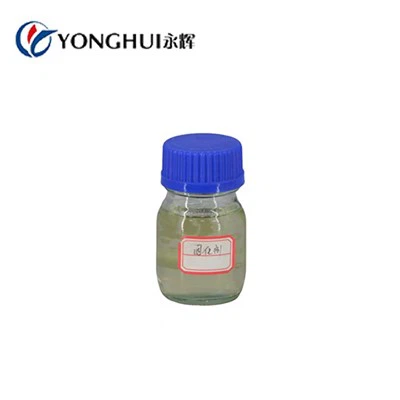


As a supplier of H12MDA, also known as 4,4′-Methylendicyclohexanamine or 4,4-Methylenebiscyclohexylamine, I've encountered numerous inquiries about its side - effects on the human body. In this blog, I'll delve into the scientific aspects of H12MDA and its potential impacts on human health.
Chemical Properties of H12MDA
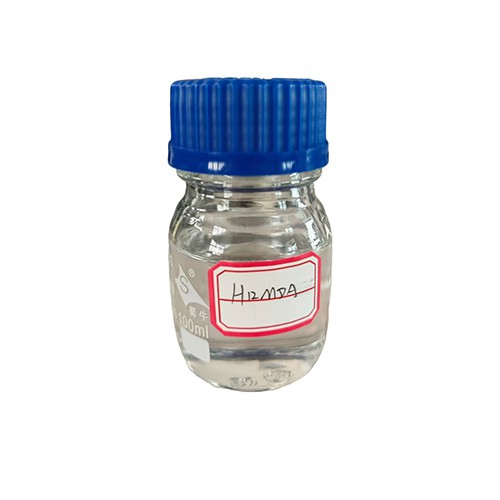
H12MDA is a colorless to yellowish liquid with a characteristic amine odor. Its chemical structure consists of two cyclohexyl rings connected by a methylene bridge, and two amino groups attached to the cyclohexyl rings. The compound is widely used in various industrial applications, such as in the production of polyurethanes, epoxy resins, and as a curing agent in coatings.
Acute Side - Effects
Skin Contact
One of the most immediate risks associated with H12MDA is skin contact. When H12MDA comes into direct contact with the skin, it can cause irritation. The amine groups in H12MDA are reactive and can disrupt the normal structure and function of the skin cells. This irritation may manifest as redness, itching, and in more severe cases, blistering. Prolonged or repeated skin exposure can lead to dermatitis, a condition characterized by inflammation of the skin. Workers in industries where H12MDA is used are particularly at risk if they do not wear appropriate protective clothing, such as gloves and long - sleeved shirts.
Eye Contact
Eye contact with H12MDA is extremely dangerous. The eyes are highly sensitive organs, and H12MDA can cause severe irritation, pain, and even damage to the cornea. Immediate and intense pain, redness, and watering of the eyes are common symptoms. If not treated promptly, it can lead to permanent vision impairment. In case of eye contact, it is crucial to flush the eyes with plenty of water for at least 15 minutes and seek immediate medical attention.
Inhalation
Inhalation of H12MDA vapors or mists can cause irritation to the respiratory tract. The respiratory system, including the nose, throat, and lungs, is lined with delicate mucous membranes. H12MDA can irritate these membranes, leading to symptoms such as coughing, shortness of breath, and a burning sensation in the throat. High - level inhalation exposure may cause more serious respiratory problems, such as bronchitis or even pulmonary edema, a condition where fluid accumulates in the lungs. Workers in poorly ventilated areas where H12MDA is being handled are at a higher risk of inhalation - related side - effects.
Chronic Side - Effects
Allergic Reactions
Some individuals may develop allergic reactions to H12MDA over time. Allergic responses are the body's immune system overreacting to a foreign substance. In the case of H12MDA, repeated exposure can sensitize the immune system. Once sensitized, even a small amount of subsequent exposure can trigger an allergic reaction. Symptoms of an allergic reaction can range from mild skin rashes and itching to more severe anaphylactic reactions, which are life - threatening and require immediate medical intervention.
Reproductive and Developmental Effects
Although the research on the reproductive and developmental effects of H12MDA is still ongoing, some studies suggest potential risks. Animal studies have shown that exposure to H12MDA may have adverse effects on the reproductive system, including reduced fertility and adverse effects on the development of the fetus. In humans, the exact nature and extent of these effects are not fully understood. However, it is recommended that pregnant women and those planning to conceive avoid exposure to H12MDA as a precautionary measure.
Carcinogenicity
The carcinogenic potential of H12MDA is a subject of concern. Some animal studies have indicated that long - term exposure to H12MDA may increase the risk of certain types of cancer. However, more research is needed to establish a clear link between H12MDA exposure and cancer in humans. Regulatory agencies around the world are closely monitoring the situation and have set guidelines and limits for H12MDA exposure in the workplace to minimize potential cancer risks.

Safety Measures and Precautions
To minimize the side - effects of H12MDA, strict safety measures should be implemented in workplaces where it is used. Employers should provide appropriate personal protective equipment (PPE), such as gloves, goggles, respirators, and protective clothing. Adequate ventilation systems should be in place to reduce the concentration of H12MDA vapors in the air. Workers should also receive proper training on the safe handling, storage, and disposal of H12MDA.
Conclusion
As a supplier of H12MDA, I understand the importance of being transparent about its potential side - effects. While H12MDA has many useful industrial applications, it is essential to handle it with care to protect human health. By being aware of the acute and chronic side - effects and implementing appropriate safety measures, we can ensure that the benefits of H12MDA are maximized while minimizing the risks.
If you are interested in purchasing H12MDA, we offer high - quality products that meet industry standards. We are committed to providing our customers with all the necessary information about the product, including safety data sheets. To start a procurement discussion and learn more about our H12MDA products, please feel free to reach out to us. We look forward to working with you to meet your specific needs.
References
- [1] Occupational Safety and Health Administration (OSHA). Guidelines for handling hazardous chemicals.
- [2] International Agency for Research on Cancer (IARC). Research on the carcinogenic potential of various chemicals.
- [3] National Institute for Occupational Safety and Health (NIOSH). Studies on the acute and chronic effects of chemical exposure in the workplace.