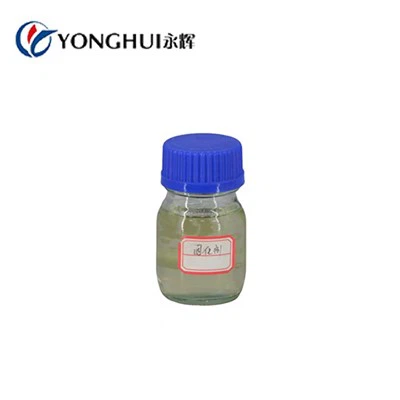


Hey there! As a supplier of Injection Epoxy Resin, I've seen my fair share of spills. Epoxy resin is a super useful material, but those accidental spills can be a real headache. In this blog, I'm gonna share some tips on how to clean up injection epoxy resin spills.
Understanding Injection Epoxy Resin
First off, let's talk a bit about what injection epoxy resin is. Injection Epoxy Resin is a two - part system, usually consisting of a resin and a hardener. When these two parts are mixed, a chemical reaction occurs, which causes the resin to harden. This hardening process can start pretty quickly, so it's crucial to act fast when you have a spill.
Epoxy resin is known for its strong adhesive properties, high strength, and resistance to chemicals and heat. It's commonly used in various industries, such as electronics, construction, and automotive, for tasks like filling cracks, bonding parts, and encapsulating components.
Immediate Actions for Fresh Spills
If you've just spilled injection epoxy resin, the first thing you need to do is stop the spread. Grab some absorbent materials like paper towels or rags. Press them firmly onto the spill to soak up as much of the resin as possible. Don't rub it, as that can spread the resin further.
Once you've absorbed the excess resin, you can use a solvent to clean the remaining residue. Acetone is a popular choice. It's a strong solvent that can dissolve uncured epoxy resin. Put a small amount of acetone on a clean cloth and gently dab at the spill. Make sure you're in a well - ventilated area when using acetone, as it has strong fumes.
Another option for fresh spills is to use isopropyl alcohol. It's less harsh than acetone and can also break down the resin to some extent. Just like with acetone, apply it to a cloth and gently clean the affected area.
Dealing with Cured Spills
If the resin has already cured, things get a bit trickier. Cured epoxy resin is very hard and resistant, but there are still ways to remove it.
One method is mechanical removal. You can use a scraper or a putty knife to try and chip away at the cured resin. Be careful not to damage the surface underneath. If the spill is on a hard surface like metal or glass, you can use a fine - grit sandpaper to sand down the resin. Start with a low - grit sandpaper and gradually move to a higher - grit one for a smoother finish.
For more stubborn cured spills, you can use a heat gun. Heat the resin to make it softer and more pliable. Keep the heat gun moving to avoid overheating the surface. Once the resin is soft enough, you can use a scraper to remove it. However, this method requires caution, as overheating can cause the resin to release harmful fumes or damage the surface.
Cleaning Different Surfaces
Metal Surfaces
When cleaning injection epoxy resin spills on metal, you can start with the methods mentioned above for fresh and cured spills. After removing the resin, you may notice some discoloration or residue. You can use a metal cleaner to restore the shine. Apply the cleaner according to the manufacturer's instructions and then rinse it off with water.
Plastic Surfaces
Plastic is more sensitive than metal. For fresh spills, use isopropyl alcohol instead of acetone, as acetone can damage some plastics. If the resin has cured, be very gentle with mechanical removal. You can try using a plastic - safe solvent specifically designed for removing adhesives. Test it on a small, inconspicuous area first to make sure it doesn't damage the plastic.
Concrete Surfaces
On concrete, fresh spills can be cleaned with absorbent materials and solvents. For cured spills, you can use a concrete cleaner along with a stiff brush. Scrub the area to remove the resin. If the spill is deep - seated, you may need to use a pressure washer. But be careful not to damage the concrete surface.
Safety Precautions
Cleaning up injection epoxy resin spills is not without risks. As I mentioned earlier, solvents like acetone have strong fumes, so always work in a well - ventilated area. Wear protective gloves to prevent skin contact with the resin and solvents. Safety goggles are also a good idea to protect your eyes from splashes.
If you accidentally get resin on your skin, wash it off immediately with soap and water. If it's cured on your skin, you may need to use a gentle exfoliant to remove it.
Preventing Future Spills
Prevention is always better than cure. When working with injection epoxy resin, use a tray or a drop cloth to catch any potential spills. Make sure you're familiar with the mixing and application process to minimize the chances of spills. Also, store the resin and hardener properly to avoid leaks.
Related Products
In addition to Injection Epoxy Resin, we also offer other types of epoxy resins, such as Casting Epoxy Resin and Transformers Epoxy Resin Hardener. Casting epoxy resin is great for creating molds and casting objects, while the transformers epoxy resin hardener is specifically designed for use in transformer applications.
Conclusion
Cleaning up injection epoxy resin spills can be a hassle, but with the right methods and precautions, you can get the job done. Whether it's a fresh spill or a cured one, there are solutions available. Remember to act fast for fresh spills and be patient when dealing with cured spills.
If you're in the market for high - quality injection epoxy resin or other related products, we're here to help. We offer top - notch products and excellent customer service. Contact us to discuss your requirements and start a procurement negotiation. We're confident that our products will meet your needs and exceed your expectations.


References
- "Epoxy Resin Handbook" - A comprehensive guide on epoxy resin properties and applications.
- "Industrial Cleaning Best Practices" - A resource on cleaning various industrial materials and spills.