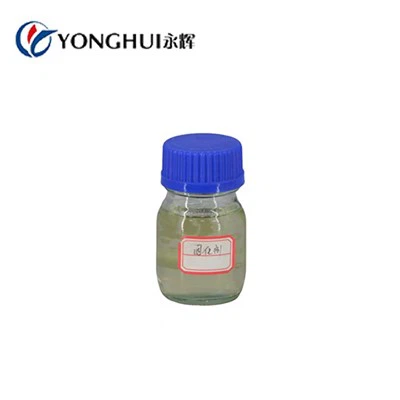


As a supplier of Injection Epoxy Resin, I understand that many customers may face the problem of disposing of unused injection epoxy resin. Improper disposal not only poses risks to the environment but also may violate relevant regulations. In this blog, I will share some scientific and reasonable methods for disposing of unused injection epoxy resin.
Understanding Injection Epoxy Resin
Before discussing disposal methods, it's important to understand what injection epoxy resin is. Injection Epoxy Resin is a type of high - performance resin widely used in various industries, especially in electronics. It has excellent adhesion, chemical resistance, and electrical insulation properties. You can find more information about it on our Injection Epoxy Resin webpage.
There are also related products like Casting Epoxy Resin and Electrical Insulating Epoxy Resin, which have different application scenarios but share some similarities with injection epoxy resin in terms of chemical composition.
Why Proper Disposal Matters
Injection epoxy resin contains chemicals that can be harmful to the environment if not disposed of properly. For example, some of the solvents and hardeners in epoxy resin can contaminate soil and water sources. In addition, improper disposal may also lead to health risks for humans and animals. Therefore, it is crucial to follow the correct disposal procedures.
Disposal Methods
1. Solidification and Landfill
If the amount of unused injection epoxy resin is small, one of the simplest ways is to solidify it first. Mix the resin with the appropriate hardener according to the ratio specified by the product. After the resin has fully cured and solidified, it can be treated as a non - hazardous solid waste and disposed of in a landfill. However, it's important to check local landfill regulations to ensure compliance. Some landfills may have specific requirements for the disposal of solidified epoxy resin.
2. Recycling
Recycling is an environmentally friendly option. There are specialized recycling facilities that can handle epoxy resin waste. These facilities use various techniques to break down the resin and reuse its components. To recycle injection epoxy resin, you need to find a certified recycling company. You can contact local waste management authorities or search online for recycling services in your area. Keep in mind that not all recycling facilities accept injection epoxy resin, so it's necessary to confirm their acceptance criteria in advance.
3. Return to the Supplier
As a supplier, we are committed to helping our customers solve the problem of waste disposal. If you have unused injection epoxy resin, you can contact us to discuss the possibility of returning the product. We may be able to reuse the resin in our production process or dispose of it in an environmentally friendly way. This option not only helps you solve the waste problem but also promotes the sustainable use of resources.


4. Incineration
Incineration can be considered for large - scale disposal of unused injection epoxy resin. However, this method requires strict control to ensure that the incineration process is carried out safely and does not generate harmful pollutants. Incineration should only be done in authorized incineration facilities that meet environmental protection standards. These facilities are equipped with advanced pollution control devices to reduce the emission of harmful gases and particulate matter.
Precautions During Disposal
- Personal Protection: When handling unused injection epoxy resin, always wear appropriate personal protective equipment, such as gloves, goggles, and a respirator. This can prevent skin contact, eye irritation, and inhalation of harmful fumes.
- Storage: Before disposal, store the unused resin properly. Keep it in a cool, dry place away from direct sunlight and heat sources. Make sure the container is tightly sealed to prevent leakage.
- Separation: Do not mix injection epoxy resin with other types of waste, especially incompatible chemicals. Mixing different chemicals can lead to dangerous chemical reactions.
Best Practices for Minimizing Unused Resin
- Accurate Ordering: When ordering injection epoxy resin, calculate the required amount accurately based on your project needs. This can avoid over - ordering and the generation of excess waste.
- Proper Mixing: Follow the mixing instructions carefully to ensure that the resin and hardener are mixed in the correct ratio. Improper mixing can lead to uncured resin, which is more difficult to dispose of.
Conclusion
Disposing of unused injection epoxy resin requires careful consideration and compliance with environmental regulations. By choosing the appropriate disposal method, taking necessary precautions, and implementing best practices to minimize waste, we can reduce the environmental impact of epoxy resin waste.
If you have any questions about injection epoxy resin, including disposal methods or product selection, please feel free to contact us. We are always ready to provide you with professional advice and high - quality products. We look forward to establishing long - term cooperation with you and jointly promoting the development of the epoxy resin industry.
References
- Environmental Protection Agency. (Year). Guidelines for the Disposal of Chemical Waste.
- Epoxy Resin Association. (Year). Best Practices for Epoxy Resin Management.