

Instrument transformers are essential components in electrical power systems, used to step down high voltages and currents to measurable and manageable levels for metering, protection, and control purposes. As a leading Transformer Raw Material supplier, I understand the importance of high - quality raw materials in the manufacturing of instrument transformers. In this blog, I will delve into the various raw materials required for instrument transformers and their significance.
Core Materials
The core of an instrument transformer is a crucial part as it provides a low - reluctance path for the magnetic flux. The most commonly used core materials are silicon steel and amorphous metal.
Silicon steel, also known as electrical steel, is an alloy of iron with a small amount of silicon (usually 1 - 4%). The addition of silicon increases the electrical resistivity of the steel, which in turn reduces the eddy current losses. These losses occur when the magnetic field in the core induces circulating currents, leading to heat generation and energy wastage. Silicon steel is available in different grades, with varying levels of magnetic properties and thicknesses. The thinner the laminations of silicon steel, the lower the eddy current losses. It is widely used in instrument transformers due to its relatively low cost, good magnetic properties, and ease of manufacturing.
Amorphous metal is another core material option. It is a non - crystalline alloy that offers significantly lower core losses compared to silicon steel. The atomic structure of amorphous metal is disordered, which reduces the hysteresis losses. Hysteresis losses occur due to the energy required to reverse the magnetization of the core material with each cycle of the alternating current. Amorphous metal cores are more expensive than silicon steel cores, but they are ideal for applications where energy efficiency is a top priority, such as in high - precision instrument transformers.
Conductors
Conductors are used to carry the electrical current in instrument transformers. Copper and aluminum are the two most commonly used conductor materials.
Copper is a popular choice for conductors in instrument transformers because of its high electrical conductivity. It has low resistance, which means that there will be less power loss in the form of heat when current flows through it. Copper also has good mechanical properties, such as high tensile strength and ductility, which makes it easy to work with during the manufacturing process. It can be drawn into thin wires, which is beneficial for winding the coils of instrument transformers.
Aluminum is another conductor material option. It is lighter and less expensive than copper. However, its electrical conductivity is lower than that of copper. To achieve the same level of conductivity as copper, aluminum conductors need to have a larger cross - sectional area. Aluminum conductors are often used in applications where weight is a concern, such as in portable instrument transformers or in situations where cost - reduction is a major factor.
Insulation Materials
Insulation materials are used to separate the conductors from each other and from the core in instrument transformers. They prevent electrical short - circuits and ensure the safe and reliable operation of the transformer.
One of the important insulation materials is Electrical Epoxy Resin. Epoxy resin is a thermosetting polymer that offers excellent electrical insulation properties. It has high dielectric strength, which means it can withstand high voltages without breaking down. Epoxy resin also has good mechanical properties, such as high hardness and resistance to chemicals and moisture. It can be used to encapsulate the coils of instrument transformers, providing protection against environmental factors and mechanical damage.


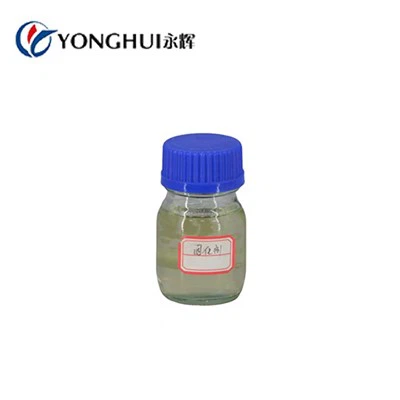
Transformers Epoxy Resin Hardener is used in conjunction with epoxy resin. It reacts with the epoxy resin to form a hard, cross - linked polymer. The choice of hardener depends on the specific requirements of the application, such as the curing time, temperature resistance, and mechanical properties. Different types of hardeners can be used to achieve different performance characteristics in the final epoxy insulation.
Two - component Epoxy Resin consists of a resin component and a hardener component. When the two components are mixed together, a chemical reaction occurs, resulting in the formation of a solid insulation material. Two - component epoxy resin systems offer flexibility in terms of formulation, allowing manufacturers to adjust the properties of the insulation material according to the specific needs of the instrument transformer.
In addition to epoxy resin, other insulation materials such as paper, mica, and polyester film are also used in instrument transformers. Paper insulation is often used in combination with oil in oil - filled instrument transformers. It provides good electrical insulation and is also absorbent, which helps to remove moisture from the oil. Mica is a natural mineral that has excellent electrical insulation properties and high temperature resistance. It is used in high - voltage and high - temperature applications. Polyester film is a synthetic insulation material that is thin, flexible, and has good electrical and mechanical properties.
Enclosure Materials
The enclosure of an instrument transformer is used to protect the internal components from environmental factors such as dust, moisture, and mechanical damage. Steel, aluminum, and plastic are the common enclosure materials.
Steel enclosures are strong and durable. They can provide good protection against physical impacts and are often used in industrial applications where the instrument transformer may be exposed to harsh conditions. Steel can be coated with a protective layer, such as paint or galvanization, to prevent corrosion.
Aluminum enclosures are lightweight and have good corrosion resistance. They are suitable for applications where weight is a concern, such as in outdoor or portable instrument transformers. Aluminum can be easily formed into different shapes, which is beneficial for the design and manufacturing of enclosures.
Plastic enclosures are also an option. They are relatively inexpensive, lightweight, and can be molded into complex shapes. Plastic enclosures can provide good insulation and protection against moisture and chemicals. However, they may not be as strong as steel or aluminum enclosures and may have limitations in terms of temperature resistance.
Conclusion
The quality of raw materials used in instrument transformers has a significant impact on their performance, reliability, and lifespan. As a Transformer Raw Material supplier, I am committed to providing high - quality raw materials that meet the strict requirements of the electrical industry. Whether it is the core materials for efficient magnetic flux transfer, the conductors for low - loss current carrying, the insulation materials for electrical safety, or the enclosure materials for environmental protection, we have a wide range of products to choose from.
If you are in the business of manufacturing instrument transformers and are looking for reliable raw material suppliers, I encourage you to contact us for a detailed discussion. We can offer you customized solutions based on your specific needs and requirements. Our team of experts is always ready to assist you in selecting the most suitable raw materials for your instrument transformers.
References
- Grover, F. W. (1946). Inductance Calculations: Working Formulas and Tables. Dover Publications.
- Kennedy, E. J. (1985). Electrical Insulation Technology. John Wiley & Sons.
- Nasar, S. A., & Unnewehr, L. E. (1998). Electric Machines and Transformers. Prentice Hall.