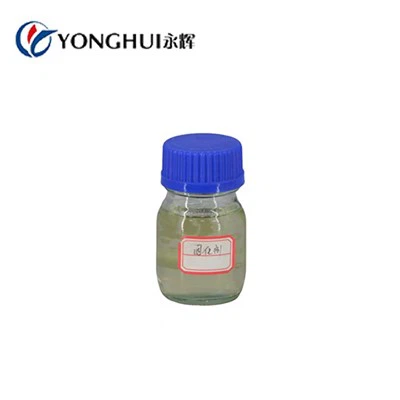


Hey there! As a supplier of Two - component Epoxy Resin, I know how crucial proper ventilation is when using this stuff. Two - component epoxy resin is super versatile and is widely used in different industries. You can find out more about Two-component Epoxy Resin on our website.
But here's the deal. Epoxy resin can give off some pretty strong fumes when it's being mixed and applied. Breathing in these fumes can be really bad for your health. It can cause irritation to your eyes, nose, and throat. In some cases, long - term exposure can even lead to more serious health problems. So, ensuring proper ventilation is not just a nice - to - have; it's a must.
Let's start with the basics. First off, you should always try to work in a well - ventilated area. The simplest way is to choose a space with lots of natural airflow. An open garage or a shed with the doors and windows wide open can be great. If you're working indoors in a regular room, open as many windows as you can. This allows fresh air to come in and push the fumes out.
Now, if natural ventilation isn't enough, that's where mechanical ventilation comes in. You can use fans to help move the air around. Place a fan near a window or door to create a cross - breeze. A box fan works well for this. You can set it up to blow the fumes out of the window. If you're working on a larger scale or in an enclosed space, an exhaust fan is even better. These fans are designed to suck the fumes out of the area and expel them outside.
Another option is to use a ventilation hood. These are commonly used in industrial settings but can also be useful for smaller projects. A ventilation hood is placed directly over the work area. It captures the fumes right at the source and then vents them outside through a duct system. This is a really effective way to keep the air clean in your workspace.
When it comes to specific industries, the ventilation requirements might vary a bit. For example, in the electrical industry, Electrical Epoxy Resin is often used. Since electrical work is sometimes done in more confined spaces, like electrical cabinets, proper ventilation becomes even more important. You need to ensure that the fumes don't build up and cause problems for the workers or the electrical components. In such cases, using a small, portable exhaust fan can be a great solution.
In the transformer manufacturing industry, Transformer Epoxy Resin is used. Transformer production can involve large - scale epoxy resin applications. Here, industrial - grade ventilation systems are usually required. These systems can handle the high volume of fumes generated during the process and maintain a safe working environment.
It's also important to monitor the air quality in your workspace. You can use air quality monitors to check the levels of volatile organic compounds (VOCs) in the air. If the levels are too high, it's a sign that your ventilation system isn't working well enough. You might need to adjust the fans, open more windows, or upgrade your ventilation equipment.
Before you start working with two - component epoxy resin, make a ventilation plan. Think about the size of your workspace, the amount of resin you'll be using, and the type of work you'll be doing. This way, you can set up the right ventilation system from the start and avoid any last - minute problems.
And don't forget about personal protective equipment (PPE). Even with proper ventilation, it's a good idea to wear a respirator. A respirator can provide an extra layer of protection in case there are still some fumes in the air. Safety glasses and gloves are also essential to protect your eyes and skin from any splashes or spills.
In addition to ventilation, proper storage of the epoxy resin is also important. Keep the resin in a cool, dry place with good air circulation. This helps to prevent the build - up of fumes in the storage area.
If you're new to using two - component epoxy resin, it's a good idea to start with small projects in a well - ventilated area. This allows you to get used to working with the resin and the ventilation process without taking on too much risk. As you gain more experience, you can move on to larger projects and adjust your ventilation system accordingly.
To sum it up, proper ventilation when using two - component epoxy resin is all about keeping the air in your workspace clean and safe. Whether it's through natural airflow, fans, ventilation hoods, or a combination of these methods, make sure you have a plan in place. And always prioritize your safety and the safety of those around you.
If you're interested in purchasing our high - quality two - component epoxy resin or have any questions about ventilation or our products, feel free to contact us for a procurement discussion. We're here to help you with all your epoxy resin needs.
References


- General knowledge on epoxy resin usage and ventilation best practices.
- Industry standards for working with epoxy resin in electrical and transformer manufacturing.