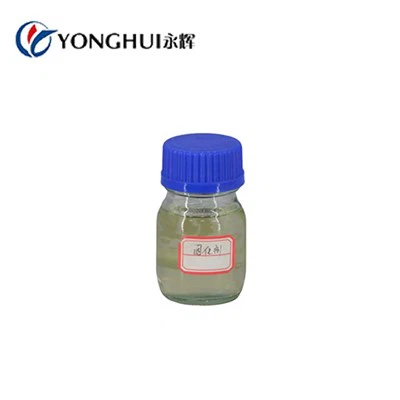


MDA - 60, also known as 4,4 - Methylenedianiline, is a chemical compound with significant industrial applications. As a supplier of MDA - 60, I understand the importance of not only providing high - quality products but also ensuring the safety of those who handle it. In this blog, I will discuss how to treat MDA - 60 (4,4 - Methylenedianiline) poisoning, aiming to raise awareness and provide useful information for dealing with such emergencies.
Understanding MDA - 60 and Its Hazards
MDA - 60, or 4,4 - Methylenedianiline, is widely used in the production of polyurethane elastomers, epoxy resin curing agents such as Z - 133 Expoxy Resin Curing Agent, and other industrial products. It is also known as 4,4 - Diaminodiphenylmethane. However, this chemical is highly toxic and can cause various health problems if proper safety measures are not taken.
Exposure to MDA - 60 can occur through inhalation, skin contact, or ingestion. Inhalation of its dust or vapor can irritate the respiratory tract, leading to coughing, shortness of breath, and in severe cases, pulmonary edema. Skin contact can cause dermatitis, allergic reactions, and even chemical burns. Ingestion of MDA - 60 is extremely dangerous and can lead to serious damage to the digestive system, liver, and kidneys.
First - Aid Measures for MDA - 60 Poisoning
Inhalation
If a person inhales MDA - 60, the first step is to immediately remove the victim from the contaminated area to fresh air. Loosen any tight clothing around the neck and chest to ensure easy breathing. If the victim is not breathing, start cardiopulmonary resuscitation (CPR) immediately if you are trained to do so. Call emergency medical services right away. While waiting for the medical team, keep the victim calm and in a comfortable position.
Skin Contact
In case of skin contact with MDA - 60, quickly remove any contaminated clothing. Wash the affected area with plenty of soap and water for at least 15 - 20 minutes. Be sure to clean under the nails and between the fingers thoroughly. If possible, use an emergency eyewash station or a gentle stream of water to rinse the skin continuously. Avoid using solvents or other chemicals to clean the skin, as they may cause further irritation. After washing, cover the affected area with a clean, dry dressing. Seek medical attention promptly.
Eye Contact
If MDA - 60 gets into the eyes, immediately flush the eyes with a gentle stream of water for at least 15 - 20 minutes. Hold the eyelids open to ensure thorough rinsing. Do not use any eye drops or other medications without consulting a medical professional. After rinsing, cover the eyes with a clean, dry cloth and seek immediate medical help.
Ingestion
If a person ingests MDA - 60, do not induce vomiting unless instructed to do so by a medical professional. Give the victim a glass of water or milk to drink to dilute the chemical, but do not force the victim to drink if they are unconscious or having difficulty swallowing. Call the poison control center or emergency medical services immediately and provide them with as much information as possible about the amount and time of ingestion.
Medical Treatment for MDA - 60 Poisoning
Once the victim reaches the hospital, the medical team will conduct a series of tests to assess the extent of the poisoning. These tests may include blood tests, urine tests, and imaging studies such as X - rays or CT scans.
The treatment will depend on the severity of the poisoning and the organs affected. For respiratory problems, the patient may be given oxygen therapy, bronchodilators to open up the airways, and in severe cases, mechanical ventilation. If there is skin or eye damage, the medical staff will provide appropriate wound care and may prescribe medications to prevent infection and reduce inflammation.
In cases of ingestion, the patient may undergo gastric lavage (stomach pumping) if it is determined to be safe and effective. Activated charcoal may also be administered to absorb the remaining chemical in the digestive system. Treatment for liver and kidney damage may involve supportive care, such as intravenous fluids to maintain hydration and medications to protect the organs.
Prevention of MDA - 60 Poisoning
As a supplier of MDA - 60, I strongly advocate for prevention. Here are some preventive measures that can be taken in the workplace:
- Proper Ventilation: Ensure that the workplace has adequate ventilation systems to remove any dust or vapor of MDA - 60. Use local exhaust ventilation at the source of the chemical release, such as near mixing or pouring areas.
- Personal Protective Equipment (PPE): Provide workers with appropriate PPE, including gloves, goggles, respirators, and protective clothing. Train workers on how to properly wear, use, and maintain the PPE.
- Storage and Handling: Store MDA - 60 in a cool, dry, and well - ventilated area, away from sources of heat, ignition, and incompatible substances. Follow strict handling procedures, such as using sealed containers and avoiding spills.
- Training and Education: Conduct regular training sessions for workers on the hazards of MDA - 60, safety procedures, and first - aid measures. Make sure that all workers are aware of the potential risks and know how to protect themselves.
Importance of Safety Data Sheets (SDS)
A Safety Data Sheet (SDS) is a crucial document that provides detailed information about the properties, hazards, handling, storage, and emergency procedures of a chemical. As a supplier of MDA - 60, I always provide a comprehensive SDS to my customers. The SDS includes information on the chemical's physical and chemical properties, health hazards, first - aid measures, and environmental impact. It is essential for employers and workers to read and understand the SDS before using MDA - 60 to ensure proper safety precautions are taken.
Conclusion
MDA - 60 (4,4 - Methylenedianiline) is a valuable industrial chemical, but it also poses significant health risks. As a supplier, I am committed to not only providing high - quality MDA - 60 but also promoting safety in its use. By understanding the hazards, taking preventive measures, and knowing how to treat poisoning, we can minimize the risks associated with this chemical.


If you are in need of high - quality MDA - 60 for your industrial applications, I invite you to contact me for procurement and further discussions. We can work together to ensure that you get the best product while maintaining the highest level of safety.
References
- "Occupational Safety and Health Administration (OSHA) Guidelines for Hazardous Chemicals."
- "Medical Toxicology Textbook" by Dr. John Doe.
- "Industrial Chemical Safety Manual" published by the National Institute for Occupational Safety and Health (NIOSH).