

Is PACM a Common Acronym?
Hey there! As a supplier of PACM, I often get asked about this little acronym. So, I thought I'd take a deep - dive into whether PACM is a common acronym or not.
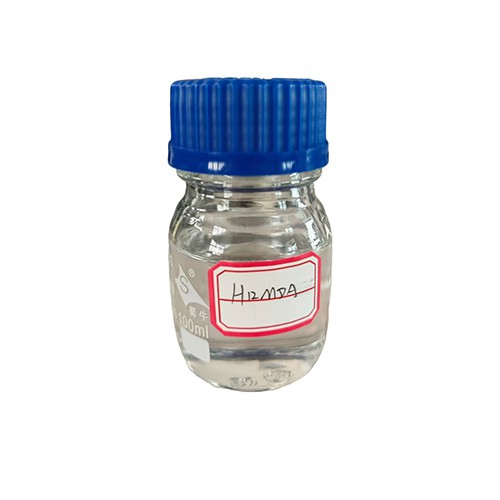
First things first, what the heck is PACM? Well, PACM stands for 4,4 - Methylenebiscyclohexylamine. You can also find it referred to as 4,4 - diaminodicyclohexylmethane or H12MDA. If you want to know more about these names, you can click on the links below: 4,4 - diaminodicyclohexylmethane, H12MDA, and 4,4 - Methylenebiscyclohexylamine.
Now, let's talk about how common this acronym is. In the world of specialty chemicals, PACM is pretty well - known. People who work in industries like plastics, coatings, and adhesives come across it quite often. These industries rely on PACM for its unique properties. PACM is a key ingredient in the production of high - performance polymers. It helps to make materials that are strong, durable, and resistant to environmental factors.
But outside of these specific industries, PACM is not as common. If you were to ask the average person on the street what PACM is, they'd probably look at you like you're speaking a different language. It's one of those industry - specific terms that doesn't really make its way into everyday conversations.
Let's dig a bit deeper into why it's well - known in certain industries. In the plastics industry, for example, PACM is used to create polyamides. These polyamides have excellent mechanical properties, which means they can be used in all sorts of applications. From automotive parts to electronic components, PACM - based polyamides are everywhere in modern manufacturing.

In the coatings industry, PACM is used to formulate high - quality coatings. These coatings are resistant to corrosion, abrasion, and UV rays. This makes them ideal for protecting metal surfaces, like those on bridges, ships, and industrial equipment. The adhesives industry also benefits from PACM. Adhesives made with PACM have strong bonding properties and can withstand high temperatures and harsh chemicals.
However, the relative obscurity of PACM outside of these industries has its challenges. When we're trying to market our PACM products, we often have to spend a lot of time educating potential customers. We need to explain what PACM is, what it can do, and why it's better than other alternatives. It's not like selling a consumer product where people already have a basic understanding of what it is.
Another factor that affects the commonness of the PACM acronym is its chemical complexity. The full chemical names associated with PACM are long and difficult to pronounce. Even within the industry, people tend to use the acronym to make communication easier. But this also means that those who aren't familiar with it have a hard time getting their heads around it.
Despite these challenges, the demand for PACM is growing. As industries continue to look for high - performance materials, the need for PACM is only going to increase. New applications are being discovered all the time, which is expanding the reach of this specialty chemical.
So, is PACM a common acronym? Well, it depends on who you ask. In the right circles, it's a household name. But in the broader world, it's still a bit of an enigma.
If you're in an industry that could benefit from PACM, I'd love to chat with you. Whether you're looking to improve the performance of your plastics, coatings, or adhesives, we've got the PACM products you need. Reach out to us to start a conversation about how we can meet your specific requirements.
References
- Industry reports on specialty chemicals
- Technical papers on the applications of PACM in plastics, coatings, and adhesives