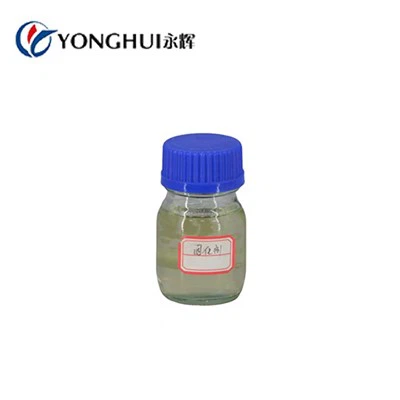


In the ever - evolving landscape of the adhesive industry, the exploration of effective and versatile chemical compounds is crucial. One such compound that has gained significant traction and offers a multitude of applications is MDA - 60 (4,4 - Methylenedianiline). As a trusted supplier of MDA - 60, I am excited to delve into its various applications in the adhesive industry, highlighting its unique properties and advantages.
1. Introduction to MDA - 60
MDA - 60, also known by the names DDM (Diaminodiphenylmethane) and 4,4′ - Methylene(bisaniline), is a crystalline solid with a pale yellow appearance. It is a key aromatic diamine, which has found wide - ranging use in several industrial sectors, particularly in adhesives. The compound is produced through the reaction of aniline and formaldehyde under specific catalytic conditions, and the resulting product is a mixture with a specific ratio of isomers, with 4,4 - Methylenedianiline being the dominant component in the MDA - 60 product.
2. Chemical Properties and Its Influence on Adhesive Performance
The chemical properties of MDA - 60 play a fundamental role in its functionality as an adhesive component. First and foremost, the presence of two amino groups in the molecular structure allows MDA - 60 to react with various epoxy resins. This reaction forms a three - dimensional cross - linked network, which is the basis for the adhesive's strength and durability.
When MDA - 60 is used as a curing agent in epoxy adhesives, it can react with the epoxy groups at relatively low to moderate temperatures. The curing mechanism typically involves the nucleophilic addition of the amino groups to the epoxy rings. This reaction rate can be carefully controlled by adjusting factors such as temperature, catalyst type, and the ratio of MDA - 60 to the epoxy resin. The resulting cross - linked polymer has excellent mechanical properties, including high tensile strength, shear strength, and impact resistance.
Moreover, MDA - 60 imparts excellent chemical resistance to the adhesives. The aromatic structure of the molecule is relatively stable, making the cured adhesives resistant to a wide range of chemicals, including acids, bases, and organic solvents. This property is especially important in applications where the adhesive is exposed to harsh chemical environments, such as in the chemical processing industry or in automotive engines.
3. Applications in the Adhesive Industry
3.1 Aerospace and Aviation
The aerospace and aviation industries demand adhesives with high performance and reliability. MDA - 60(4,4 - Methylenedianiline) - based epoxy adhesives are widely used in these fields for bonding critical components. For example, they are used to bond composite materials, which are increasingly being used in modern aircraft construction due to their high strength - to - weight ratio.
The high strength and heat resistance of MDA - 60 - cured adhesives make them suitable for withstanding the extreme conditions of flight, including high temperatures, pressure differentials, and mechanical stress. These adhesives can effectively bond parts such as wings, fuselage sections, and engine components, ensuring the structural integrity and safety of the aircraft. Additionally, the chemical resistance of the adhesives protects the bonded joints from the effects of fuels, hydraulic fluids, and other chemicals used in the aerospace industry.
3.2 Automotive
In the automotive industry, MDA - 60 is used in the formulation of adhesives for a variety of applications. One of the main uses is in body - in - white assembly, where adhesives are used to bond metal parts together. Compared to traditional welding methods, adhesive bonding offers several advantages, such as reduced weight, improved corrosion resistance, and better distribution of stress.
MDA - 60 - based adhesives can provide strong bonds between different types of metals, including steel and aluminum. They also have good fatigue resistance, which is essential for automotive components that are subject to repeated stress during normal operation. Additionally, these adhesives can be used for bonding interior and exterior trim parts, such as dashboards, door panels, and bumpers, providing a more aesthetically pleasing and durable finish.
3.3 Construction
The construction industry also benefits from the use of MDA - 60 in adhesives. In construction, adhesives are used for bonding various building materials, such as concrete, stone, and wood. MDA - 60 - cured epoxy adhesives offer high bond strength and excellent durability, making them suitable for both structural and non - structural applications.
For example, in structural bonding applications, these adhesives can be used to connect steel beams or columns in building frames. They can also be used for retrofitting existing structures to improve their strength and stability. In non - structural applications, MDA - 60 adhesives are used for bonding tiles, flooring materials, and insulation boards. The chemical resistance of the adhesives ensures that they can withstand the environmental conditions found in buildings, such as moisture, temperature changes, and exposure to cleaning agents.


3.4 Electronics
In the electronics industry, adhesives are used for a variety of purposes, including component assembly, encapsulation, and potting. MDA - 60 - based adhesives are valued for their electrical insulation properties, low shrinkage during curing, and high thermal stability.
These adhesives can be used to bond electronic components such as printed circuit boards (PCBs), semiconductor chips, and connectors. The low shrinkage characteristic is important to prevent damage to the delicate electronic components during the curing process. The high thermal stability ensures that the adhesives can withstand the heat generated by the operation of electronic devices without losing their bonding strength or electrical properties.
4. Advantages of Using MDA - 60 in Adhesives
One of the main advantages of using MDA - 60 in adhesives is its cost - effectiveness. Compared to some other high - performance curing agents, MDA - 60 offers a good balance between performance and price. This makes it an attractive option for manufacturers who need to produce adhesives with high quality at a reasonable cost.
Another advantage is its versatility. MDA - 60 can be used with a wide range of epoxy resins, allowing for the formulation of adhesives with different properties to meet the specific requirements of various applications. The curing process can also be adjusted to suit different production processes, whether it is a batch - type production or a continuous - flow process.
In addition, MDA - 60 - based adhesives have a relatively long shelf - life, which is beneficial for both manufacturers and end - users. This means that the adhesives can be stored for an extended period without significant degradation of their properties, reducing waste and ensuring consistent performance over time.
5. Conclusion and Call to Action
As we have seen, MDA - 60 (4,4 - Methylenedianiline) has a wide range of applications in the adhesive industry, offering unique properties that make it suitable for various demanding applications in aerospace, automotive, construction, and electronics. The compound's chemical properties contribute to the high strength, chemical resistance, and thermal stability of the adhesives, making them reliable and durable.
If you are in the adhesive manufacturing business or are looking for high - quality adhesives for your specific applications, I encourage you to consider using MDA - 60 from our supply. Our company is committed to providing high - purity MDA - 60 products that meet the strictest industry standards. We can also offer technical support and guidance to help you optimize the formulation of your adhesives. Reach out to us to discuss your specific needs and start a partnership that will bring your adhesive products to the next level.
References
- "Epoxy Resins: Chemistry and Technology" by Clayton A. May, Marcel Dekker, Inc.
- "Adhesives Technology Handbook" by John A. Dorsey, McGraw - Hill Professional.
- Industry reports on the use of aromatic diamines in adhesives from market research firms.