

In the realm of modern electronics, communication transformers play a pivotal role in ensuring efficient and reliable signal transmission. As a dedicated Transformer Raw Material supplier, I have witnessed firsthand the significance of high - quality raw materials in the manufacturing of these essential components. In this blog, I will delve into the key raw materials that are fundamental to the production of communication transformers.
Core Materials
The core is one of the most critical parts of a communication transformer, as it determines the magnetic properties and performance of the device. The choice of core material depends on various factors such as the frequency range of operation, power requirements, and cost considerations.
Ferrite Cores
Ferrite cores are widely used in communication transformers, especially for high - frequency applications. They are made from a ceramic compound of iron oxide and other metal oxides, such as manganese - zinc or nickel - zinc. Ferrite cores offer several advantages, including high magnetic permeability, low core losses at high frequencies, and excellent electrical insulation properties.
The high magnetic permeability of ferrite cores allows for efficient magnetic coupling between the primary and secondary windings of the transformer, which is essential for signal transfer. Their low core losses at high frequencies minimize energy dissipation in the form of heat, making them ideal for applications where power efficiency is crucial. For example, in Ethernet communication transformers, ferrite cores are commonly used to ensure reliable data transmission at high speeds.
Iron Powder Cores
Iron powder cores are another type of core material used in communication transformers. They are made by compressing iron powder particles together with a binder. Iron powder cores have a relatively high saturation flux density, which means they can handle higher levels of magnetic flux without saturating.
This property makes them suitable for applications where high - power handling is required, such as in power supply transformers within communication systems. However, iron powder cores typically have higher core losses compared to ferrite cores, especially at high frequencies. Therefore, they are more commonly used in low - to medium - frequency applications.
Conductive Materials
Conductive materials are used to form the windings of communication transformers, which are responsible for carrying electrical current and transferring energy between the primary and secondary circuits.
Copper
Copper is the most widely used conductive material in transformer windings due to its excellent electrical conductivity, high thermal conductivity, and good mechanical properties. Copper has a low electrical resistance, which minimizes power losses in the windings and allows for efficient energy transfer.
In addition, its high thermal conductivity helps to dissipate heat generated during operation, preventing overheating of the transformer. Copper can be easily drawn into thin wires, which is essential for creating the multiple turns required in transformer windings. For example, in small - sized communication transformers, such as those used in mobile devices, copper wire with a very small diameter is often used to achieve high - density winding.
Aluminum
Aluminum is also used as a conductive material in some communication transformers, especially in applications where weight and cost are important considerations. Aluminum has a lower density than copper, which makes it lighter. It is also less expensive than copper, which can result in cost savings in large - scale production.
However, aluminum has a higher electrical resistance compared to copper, which means that more aluminum conductor is required to achieve the same level of conductivity. This can lead to larger - sized windings and potentially higher losses. Therefore, aluminum is typically used in applications where the performance requirements are not as stringent.
Insulating Materials
Insulating materials are crucial in communication transformers to prevent electrical short - circuits between the windings and to provide electrical isolation between different parts of the transformer.
Electrical Insulating Epoxy Resin
Electrical insulating epoxy resin is a popular choice for insulating communication transformers. Epoxy resin has excellent electrical insulation properties, high mechanical strength, and good chemical resistance. It can be easily applied to the windings and other components of the transformer by casting or potting.
When cured, epoxy resin forms a hard, protective layer that encapsulates the transformer components, providing protection against moisture, dust, and mechanical damage. It also helps to improve the overall reliability and durability of the transformer. For example, in outdoor communication transformers, epoxy resin insulation can protect the transformer from environmental factors such as rain and humidity.
Two - component Epoxy Resin
Two - component epoxy resin is a type of epoxy resin system that consists of a resin component and a hardener component. When the two components are mixed together, a chemical reaction occurs, resulting in the curing of the resin.
Two - component epoxy resins offer several advantages, including adjustable curing time, high adhesion strength, and excellent chemical resistance. They can be formulated to meet specific requirements, such as different levels of hardness, flexibility, and thermal resistance. In communication transformer manufacturing, two - component epoxy resins are often used for potting and encapsulation applications to provide reliable electrical insulation.
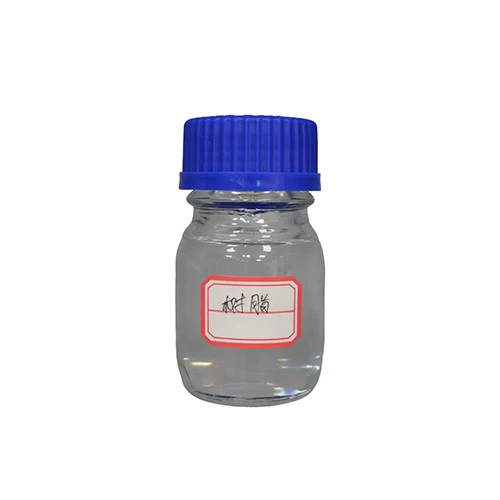

Transformers Epoxy Resin Hardener
The epoxy resin hardener is an essential part of the two - component epoxy resin system. It initiates the curing reaction of the epoxy resin and determines the final properties of the cured resin. Different types of epoxy resin hardeners are available, each with its own characteristics.
For example, some hardeners can provide fast - curing properties, which are useful in high - volume production environments. Others can offer improved thermal stability or flexibility of the cured resin. Choosing the right epoxy resin hardener is crucial to ensure the optimal performance of the insulating material in communication transformers.
Insulating Films and Tapes
Insulating films and tapes are also used in communication transformers to provide additional electrical insulation and mechanical protection.
Polyester Films
Polyester films are commonly used as insulating materials in transformers. They have good electrical insulation properties, high mechanical strength, and excellent chemical resistance. Polyester films can be easily wrapped around the windings to provide a thin layer of insulation.
They are also available in different thicknesses and sizes, allowing for customization according to the specific requirements of the transformer. For example, in small - sized communication transformers, thin polyester films can be used to minimize the overall size of the device while still providing adequate insulation.
Kapton Tapes
Kapton tapes are made from polyimide film and are known for their excellent thermal stability, high electrical insulation properties, and good mechanical strength. Kapton tapes can withstand high temperatures without losing their insulating properties, making them suitable for applications where the transformer is exposed to high - temperature environments.
In communication transformers, Kapton tapes are often used to insulate high - voltage windings or to provide additional insulation in areas where there is a risk of electrical arcing.
Conclusion
The quality of raw materials used in communication transformers has a direct impact on their performance, reliability, and durability. As a Transformer Raw Material supplier, I understand the importance of providing high - quality materials that meet the specific requirements of our customers.
Whether it is the choice of core materials for efficient magnetic coupling, conductive materials for reliable current flow, or insulating materials for electrical isolation, each component plays a crucial role in the overall functionality of the transformer. By using the right combination of raw materials, manufacturers can produce communication transformers that are capable of meeting the demanding requirements of modern communication systems.
If you are in the market for high - quality transformer raw materials, I encourage you to reach out for a procurement discussion. We are committed to providing you with the best - in - class materials and technical support to ensure the success of your transformer manufacturing projects.
References
- "Transformer Design Handbook" by Colonel M. G. Say
- "Handbook of Electrical Insulating Materials" by J. P. Harrington