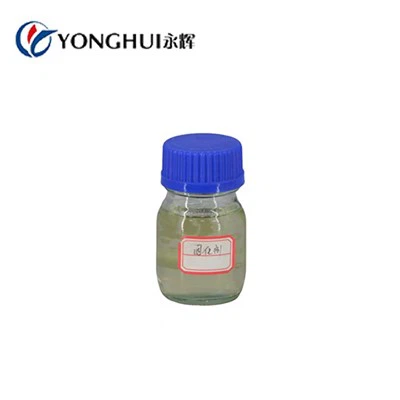


As a trusted supplier of casting epoxy resin, I've witnessed firsthand the remarkable versatility of this material. Casting epoxy resin is a two - component system that, when mixed, undergoes a chemical reaction to form a hard, durable, and often crystal - clear solid. This transformation makes it an ideal choice for encapsulating a wide range of objects. In this blog, we'll explore the various items that can be effectively encapsulated with casting epoxy resin.
Electronic Components
One of the most common applications of casting epoxy resin is in the encapsulation of electronic components. Electronic devices are often exposed to harsh environments, including moisture, dust, and mechanical stress. Encapsulating these components with casting epoxy resin provides a protective barrier that shields them from these external factors.
For example, printed circuit boards (PCBs) can be encapsulated to prevent short - circuits caused by moisture or dust accumulation. The resin forms a tight seal around the components on the PCB, ensuring their long - term reliability. Additionally, it can enhance the mechanical stability of the PCB, reducing the risk of damage due to vibrations or impacts.
When it comes to specific types of epoxy resin for electronics, we offer Transformers Epoxy Resin Hardener and Electrical Insulating Epoxy Resin. These products are formulated to meet the strict requirements of the electronics industry, providing excellent electrical insulation properties and high - temperature resistance.
Jewelry and Crafts
Casting epoxy resin is a favorite among jewelry makers and craft enthusiasts. It allows for the creation of unique and beautiful pieces by encapsulating various objects such as flowers, leaves, small beads, and even insects. The clear resin preserves the encapsulated items, giving them a long - lasting and eye - catching display.
For jewelry, resin can be used to make pendants, earrings, and rings. The process involves pouring the mixed resin into a mold with the desired object placed inside. Once the resin cures, it forms a hard, transparent casing that showcases the encapsulated item. The smooth finish and high gloss of the cured resin add a professional touch to the handmade jewelry.
In the world of crafts, resin can be used to create coasters, paperweights, and decorative items. By encapsulating different objects, crafters can add a personal and artistic touch to their creations. Whether it's a beach - themed coaster with sand and seashells or a nature - inspired paperweight with a preserved butterfly, the possibilities are endless.
Coins and Collectibles
Collectors often use casting epoxy resin to protect and display their valuable coins and collectibles. Coins are prone to oxidation, scratches, and other forms of damage over time. Encapsulating them in resin provides a protective layer that prevents these issues while still allowing the coin to be visible.
The process of encapsulating coins involves placing the coin in a mold and carefully pouring the resin around it. The resin fills the mold and encases the coin, creating a clear, hard shell. This not only protects the coin but also enhances its visual appeal, making it a more attractive addition to a collection.
Similarly, other collectibles such as stamps, small figurines, and trading cards can also be encapsulated with resin. This helps to preserve their condition and makes them easier to display.
Mechanical Parts
In the industrial sector, casting epoxy resin is used to encapsulate mechanical parts. This can be beneficial for parts that are exposed to wear and tear, corrosion, or high - pressure environments.
For example, gears and bearings can be encapsulated to reduce friction and prevent corrosion. The resin forms a smooth surface around the part, improving its performance and extending its lifespan. In addition, it can also provide a degree of noise reduction, making the machinery quieter during operation.
We also offer Injection Epoxy Resin, which is suitable for encapsulating complex mechanical parts. This type of resin can be injected into small spaces and around intricate geometries, ensuring complete coverage and protection.
Artwork and Models
Artists and model makers often use casting epoxy resin to enhance and protect their creations. In the world of art, resin can be used to encapsulate paintings, sculptures, and other art pieces. It can add a layer of protection against dust, moisture, and UV rays, while also giving the artwork a glossy and professional finish.
Model makers, on the other hand, use resin to encapsulate small details in their models. For example, in architectural models, resin can be used to encapsulate miniature windows or decorative elements. In scale models of vehicles or aircraft, it can be used to protect and highlight specific parts.


The transparency and high - clarity of casting epoxy resin make it an ideal choice for these applications. It allows the details of the artwork or model to be clearly visible while providing a durable and protective coating.
Considerations for Encapsulation
When considering encapsulating objects with casting epoxy resin, there are several factors to keep in mind. First, the object to be encapsulated should be clean and dry. Any dirt, moisture, or oil on the surface can affect the adhesion of the resin and the overall quality of the encapsulation.
Second, the choice of resin is crucial. Different types of resin have different properties, such as curing time, hardness, and flexibility. For example, if you're encapsulating a delicate object, you may want to choose a resin with a longer curing time to allow for more precise positioning. If the encapsulated object will be exposed to high temperatures, you'll need a resin with good heat resistance.
Third, proper mixing of the resin components is essential. Incorrect mixing can lead to incomplete curing, which can result in a soft or sticky surface. It's important to follow the manufacturer's instructions carefully when mixing the resin and hardener.
Contact for Purchase and Consultation
If you're interested in exploring the possibilities of casting epoxy resin for your specific application, we're here to help. Whether you're a small - scale crafter, a large - scale industrial manufacturer, or a collector, we have the right products and expertise to meet your needs.
Our team of experts can provide you with detailed information about our products, including their properties, applications, and usage guidelines. We can also assist you in choosing the most suitable resin for your project.
Don't hesitate to reach out to us for more information or to start a purchase. We're committed to providing high - quality casting epoxy resin products and excellent customer service.
References
- "Epoxy Resins: Chemistry and Technology" by Clayton A. May.
- "Handbook of Epoxy Resins" by Henry Lee and Kris Neville.
- Industry reports on the use of epoxy resin in various sectors.