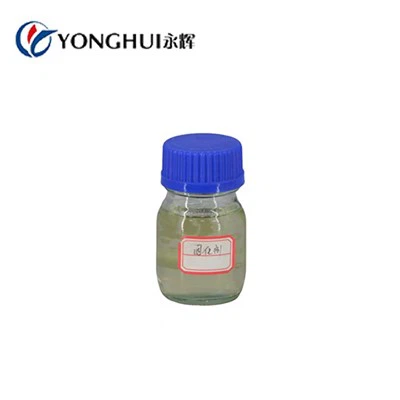


Hey there! As a supplier of Transformer Raw Material, I often get asked about what goes into making uninterruptible power supply (UPS) transformers. So, I thought I'd break it down for you in this blog post.
First off, let's understand what a UPS transformer does. A UPS transformer is a crucial part of an uninterruptible power supply system. It helps in regulating the voltage and providing a stable power output, especially during power outages or fluctuations. Now, let's dive into the raw materials that are used to make these transformers.
Core Materials
The core of a UPS transformer is like its heart. It's responsible for transferring the magnetic energy and plays a huge role in the transformer's efficiency. One of the most commonly used core materials is silicon steel.
Silicon steel has low core losses, which means it doesn't waste a lot of energy in the form of heat. This is super important because less heat means better efficiency and a longer lifespan for the transformer. It also has high magnetic permeability, which allows it to easily conduct magnetic flux. You can find different grades of silicon steel, and the choice depends on the specific requirements of the UPS transformer.
Another core material that's gaining popularity is amorphous metal. Amorphous metal has even lower core losses compared to silicon steel. It's made by rapidly cooling a molten metal alloy, which gives it a disordered atomic structure. This unique structure results in reduced eddy current losses, making it a great option for high - efficiency UPS transformers. However, it's a bit more expensive than silicon steel, so it's often used in applications where energy savings and high performance are top priorities.
Conductive Materials
The conductive materials in a UPS transformer are used to carry the electrical current. The most common conductive material is copper. Copper is an excellent conductor of electricity. It has low electrical resistance, which means that it allows the current to flow through it with minimal loss. This is important for maintaining the efficiency of the transformer.
Copper is also very ductile, which means it can be easily drawn into thin wires. These thin copper wires are used to wind the coils of the transformer. The number of turns in the coils and the thickness of the copper wire are carefully designed to achieve the desired voltage transformation ratio.
Aluminum is another conductive material that's sometimes used in UPS transformers. Aluminum is lighter and less expensive than copper. However, it has a higher electrical resistance compared to copper. So, when using aluminum, the cross - sectional area of the wire needs to be larger to achieve the same level of conductivity as copper. This can make the transformer a bit bulkier, but in some cases, the cost savings make it a viable option.
Insulating Materials
Insulating materials are essential in UPS transformers to prevent electrical short - circuits and to protect the conductive materials from damage. One of the key insulating materials is Transformer Raw Material. Epoxy resin is a type of polymer that has excellent electrical insulation properties.
Two - component Epoxy Resin is commonly used in transformer manufacturing. It consists of a resin and a hardener. When these two components are mixed together, a chemical reaction occurs, and the mixture hardens into a solid, insulating material. Epoxy resin can be used to encapsulate the transformer coils, providing a protective barrier against moisture, dust, and mechanical stress.
Another type of epoxy resin used is Injection Epoxy Resin. This type of resin is designed to be injected into the transformer's core and coil assembly. It fills the gaps and voids, improving the overall insulation and mechanical stability of the transformer.
In addition to epoxy resin, other insulating materials like paper and oil are also used. Transformer paper is used to insulate the copper or aluminum wires in the coils. It has good dielectric strength and can withstand high voltages. Transformer oil, on the other hand, is used as a coolant and an additional insulating medium. It helps in dissipating the heat generated in the transformer and provides an extra layer of insulation between the conductive parts.
Structural Materials
The structural materials in a UPS transformer are used to provide mechanical support and protection. Steel is commonly used for the transformer's enclosure. Steel is strong and durable, and it can protect the internal components of the transformer from physical damage, such as impacts and vibrations.
Plastic materials are also used in some parts of the transformer, especially for non - critical components like covers and brackets. Plastic is lightweight, easy to mold into different shapes, and can be cost - effective. It also provides some level of electrical insulation and protection against corrosion.
Other Materials
There are also some other materials that are used in small quantities but are still important for the proper functioning of the UPS transformer. For example, gaskets and seals are used to prevent the leakage of transformer oil and to keep moisture out of the transformer. These gaskets are usually made of rubber or other elastomeric materials.
Terminal blocks and connectors are used to connect the transformer to the rest of the UPS system. They are made of conductive materials like copper or brass and are designed to provide a reliable electrical connection.
As a supplier of Transformer Raw Material, I understand the importance of using high - quality materials in UPS transformer manufacturing. The performance and reliability of a UPS transformer depend on the quality of its raw materials. That's why we source our materials from trusted suppliers and ensure that they meet the highest industry standards.
If you're in the business of manufacturing UPS transformers or are looking to upgrade your existing products, I'd love to have a chat with you. We can discuss your specific requirements and how our Transformer Raw Material can help you achieve better performance and efficiency. Feel free to reach out to us for more information and to start a procurement discussion.


References
- "Transformer Engineering: Design, Technology, and Diagnostics" by J. Singhal and G. K. Dubey
- "Power Electronics: Converters, Applications, and Design" by N. Mohan, T. M. Undeland, and W. P. Robbins