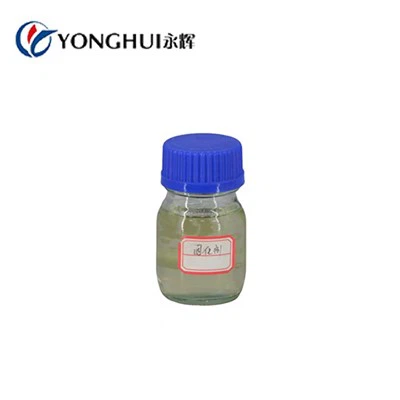


4,4-diaminodicyclohexylmethane, also known as PACM, H12MDA, or 4,4-Methylenebiscyclohexylamine, is a crucial chemical compound with a wide range of applications in various industries. As a leading supplier of 4,4-diaminodicyclohexylmethane, I often receive inquiries about its properties, including its melting point. In this blog post, I will delve into the melting point of 4,4-diaminodicyclohexylmethane, exploring its significance, factors affecting it, and how it relates to the compound's practical use.
Understanding 4,4-diaminodicyclohexylmethane
Before we discuss the melting point, let's briefly understand what 4,4-diaminodicyclohexylmethane is. It is a colorless to pale yellow solid with a characteristic amine odor. This compound is primarily used as a curing agent for epoxy resins, providing excellent mechanical properties, chemical resistance, and heat resistance to the cured products. It is also used in the production of polyamides, polyurethanes, and other polymers, as well as in the synthesis of pharmaceuticals and agrochemicals.
You can find more information about 4,4-diaminodicyclohexylmethane on our website: 4,4-diaminodicyclohexylmethane. It is also commonly referred to as H12MDA and 4,4-Methylenebiscyclohexylamine.
The Melting Point of 4,4-diaminodicyclohexylmethane
The melting point of a substance is the temperature at which it changes from a solid to a liquid state at a given pressure. For 4,4-diaminodicyclohexylmethane, the melting point typically ranges from 35°C to 42°C (95°F to 107.6°F). This relatively low melting point makes it easy to handle and process in various industrial applications.
The melting point is an important physical property that can affect the performance and processing of 4,4-diaminodicyclohexylmethane. For example, in the production of epoxy resins, the melting point determines the temperature at which the curing agent can be mixed with the resin. If the temperature is too low, the curing agent may not dissolve completely, leading to uneven curing and poor mechanical properties. On the other hand, if the temperature is too high, the curing reaction may proceed too quickly, resulting in a shorter pot life and difficulty in processing.
Factors Affecting the Melting Point
Several factors can affect the melting point of 4,4-diaminodicyclohexylmethane. These include:
- Purity: The purity of the compound has a significant impact on its melting point. Impurities can act as nucleation sites, lowering the melting point and broadening the melting range. Therefore, high-purity 4,4-diaminodicyclohexylmethane is preferred in applications where a precise melting point is required.
- Isomer Ratio: 4,4-diaminodicyclohexylmethane exists in different isomeric forms, including cis and trans isomers. The isomer ratio can affect the melting point, with the trans isomer generally having a higher melting point than the cis isomer. The isomer ratio can be controlled during the manufacturing process to achieve the desired melting point and other properties.
- Pressure: Although the effect of pressure on the melting point of 4,4-diaminodicyclohexylmethane is relatively small under normal operating conditions, it can become significant at high pressures. In general, increasing the pressure will increase the melting point of the compound.
Importance of the Melting Point in Industrial Applications
The melting point of 4,4-diaminodicyclohexylmethane plays a crucial role in its industrial applications. Here are some examples:
- Epoxy Resin Curing: As mentioned earlier, the melting point determines the temperature at which the curing agent can be mixed with the epoxy resin. A low melting point allows for easy mixing at relatively low temperatures, reducing energy consumption and improving process efficiency. Additionally, a narrow melting range ensures consistent curing and high-quality products.
- Polymer Synthesis: In the production of polyamides and polyurethanes, the melting point of 4,4-diaminodicyclohexylmethane affects the reaction kinetics and the properties of the final polymers. A suitable melting point ensures proper dispersion of the monomer in the reaction mixture and promotes uniform polymerization, resulting in polymers with excellent mechanical and thermal properties.
- Formulation and Processing: The melting point also affects the formulation and processing of products containing 4,4-diaminodicyclohexylmethane. For example, in the production of coatings, adhesives, and composites, the melting point determines the viscosity and flow properties of the formulation, which in turn affect the application and performance of the final product.
Quality Control and Assurance
As a supplier of 4,4-diaminodicyclohexylmethane, we understand the importance of quality control and assurance. We have strict quality control measures in place to ensure that our products meet the highest standards of purity, isomer ratio, and melting point. Our state-of-the-art manufacturing facilities and advanced analytical techniques allow us to accurately measure and control these properties, providing our customers with consistent and reliable products.
We conduct regular melting point tests on our products using differential scanning calorimetry (DSC) and other analytical methods. This ensures that the melting point of our 4,4-diaminodicyclohexylmethane falls within the specified range and meets the requirements of our customers. Additionally, we provide detailed product specifications and certificates of analysis with each shipment, giving our customers full confidence in the quality of our products.


Conclusion
In conclusion, the melting point of 4,4-diaminodicyclohexylmethane is an important physical property that affects its performance and processing in various industrial applications. The typical melting point range of 35°C to 42°C makes it easy to handle and process, while factors such as purity, isomer ratio, and pressure can influence this property. As a leading supplier of 4,4-diaminodicyclohexylmethane, we are committed to providing our customers with high-quality products that meet their specific requirements.
If you are interested in purchasing 4,4-diaminodicyclohexylmethane or have any questions about its properties and applications, please feel free to contact us. Our team of experts is ready to assist you with your inquiries and provide you with the best solutions for your needs.
References
- Handbook of Epoxy Resins, Second Edition, by Henry Lee and Kris Neville
- Polymer Science and Technology, Third Edition, by Charles E. Carraher Jr.
- Industrial Organic Chemistry, Fourth Edition, by Klaus Weissermel and Hans-Jürgen Arpe