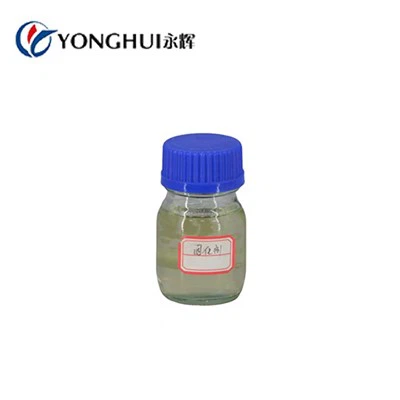


As a seasoned supplier of Transformer Epoxy Resin, I've witnessed firsthand the growing interest in the transparency properties of this remarkable material. In this blog post, I'll delve into the transparency aspects of Transformer Epoxy Resin, exploring its characteristics, applications, and how it stands out in the electrical industry.
Understanding Transformer Epoxy Resin
Transformer Epoxy Resin is a specialized type of epoxy resin designed for use in electrical transformers. It offers excellent electrical insulation properties, mechanical strength, and chemical resistance, making it an ideal choice for encapsulating and protecting sensitive electrical components. Our company provides a wide range of Transformer Raw Material to meet the diverse needs of the electrical industry.
Transparency in Transformer Epoxy Resin
While transparency is not typically the primary concern in transformer applications, it can be a desirable feature in certain situations. Transparent epoxy resin allows for visual inspection of the encapsulated components, which can be useful for quality control, maintenance, and troubleshooting. Additionally, transparency can enhance the aesthetic appeal of the finished product, making it suitable for applications where appearance matters.
Factors Affecting Transparency
The transparency of Transformer Epoxy Resin is influenced by several factors, including the resin formulation, curing process, and the presence of additives or fillers. Here are some key considerations:
- Resin Formulation: The choice of epoxy resin and hardener can significantly impact the transparency of the final product. High-purity resins with low levels of impurities tend to offer better transparency.
- Curing Process: The curing conditions, such as temperature, time, and pressure, can affect the transparency of the epoxy resin. Proper curing is essential to ensure a clear and bubble-free finish.
- Additives and Fillers: The addition of additives or fillers, such as pigments, dyes, or reinforcing agents, can reduce the transparency of the epoxy resin. However, some additives can be used to enhance transparency or modify other properties of the resin.
Achieving Transparency
To achieve optimal transparency in Transformer Epoxy Resin, it's important to select the right resin formulation and follow the recommended curing process. Here are some tips:
- Choose a Transparent Resin System: Look for epoxy resin systems specifically designed for transparency. These systems typically have low viscosity and high clarity, making them ideal for applications where transparency is required.
- Control the Curing Process: Follow the manufacturer's instructions for curing the epoxy resin. This may include preheating the resin and hardener, mixing them thoroughly, and curing at the recommended temperature and time.
- Minimize the Use of Additives: If possible, avoid using additives or fillers that can reduce the transparency of the epoxy resin. However, if additives are necessary, choose those that are compatible with the resin system and have minimal impact on transparency.
Applications of Transparent Transformer Epoxy Resin
Transparent Transformer Epoxy Resin has a wide range of applications in the electrical industry, including:


- Electrical Components: Transparent epoxy resin can be used to encapsulate electrical components, such as transformers, capacitors, and resistors, allowing for visual inspection and quality control.
- Lighting Fixtures: Transparent epoxy resin is commonly used in the manufacturing of lighting fixtures, where it provides both electrical insulation and aesthetic appeal.
- Display Panels: Transparent epoxy resin can be used to protect and enhance the appearance of display panels, such as LCD screens and touchscreens.
- Decorative Applications: Transparent epoxy resin is also used in decorative applications, such as jewelry making, art projects, and furniture finishing, where its clarity and gloss can add a touch of elegance.
Our Product Offerings
As a leading supplier of Electrical Epoxy Resin, we offer a range of transparent epoxy resin systems specifically designed for transformer applications. Our products are formulated to provide excellent transparency, electrical insulation, and mechanical strength, making them ideal for a variety of electrical and electronic applications.
In addition to our standard product offerings, we also offer custom formulation services to meet the specific requirements of our customers. Whether you need a transparent epoxy resin with unique properties or a custom color, our team of experts can work with you to develop a solution that meets your needs.
Conclusion
In conclusion, the transparency properties of Transformer Epoxy Resin can be a valuable asset in certain applications. By understanding the factors that affect transparency and following the recommended curing process, it's possible to achieve a clear and bubble-free finish that allows for visual inspection and enhances the aesthetic appeal of the finished product.
If you're interested in learning more about our Transformer Epoxy Resin products or have any questions about transparency or other properties, please don't hesitate to contact us. Our team of experts is here to help you find the right solution for your application and to provide you with the support and guidance you need to succeed.
References
- "Epoxy Resins: Chemistry and Technology," Second Edition, edited by C. A. May.
- "Handbook of Epoxy Resins," by Henry Lee and Kris Neville.
- "Electrical Insulation for Rotating Machines: Design, Evaluation, Aging, Testing, and Repair," by Greg C. Stone, Edward A. Boulter, Ian Culbert, and Hussein Dhirani.