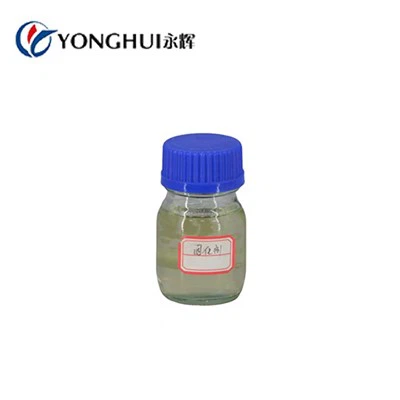


Hey there! As a supplier of Two-component Epoxy Resin, I often get asked about the density of this stuff. So, I thought I'd write a blog post to break it down for you.
First off, let's talk a bit about what two-component epoxy resin is. It's a super versatile material that's used in a whole bunch of industries. You can find it in things like Transformer Raw Material, Two-component Epoxy Resin, and Tranformer Epoxy Resin. It's made up of two parts - a resin and a hardener. When you mix these two together, a chemical reaction happens, and you end up with a really strong and durable material.
Now, onto the density. Density is basically how much mass is packed into a certain volume. For two-component epoxy resin, the density can vary depending on a few factors. One of the main things that affects density is the specific formulation of the resin and hardener. Different manufacturers might use different ingredients or ratios, which can lead to different densities.
Typically, the density of two-component epoxy resin can range from about 1.1 to 1.4 grams per cubic centimeter (g/cm³). But this is just a general range. Some high-performance epoxy resins might have a higher density, while others that are formulated for specific applications, like lightweight composites, could have a lower density.


The density of the resin also matters because it can impact how the epoxy behaves during the application process. For example, a higher density resin might flow more slowly than a lower density one. This can be important if you're using the epoxy for something like casting or laminating. If the resin doesn't flow well, it might not fill all the nooks and crannies, which could lead to weak spots in the final product.
Another factor that can influence density is the curing process. The way the epoxy cures - the temperature, the humidity, and the amount of time it takes - can also have an effect. If the epoxy cures too quickly, it might not form a uniform structure, which could affect the density. On the other hand, if it cures too slowly, it might absorb moisture from the air, which can also change the density.
When you're working with two-component epoxy resin, it's important to know the density of the specific product you're using. This information is usually provided by the manufacturer on the product data sheet. Make sure you read this sheet carefully before you start your project. It'll give you all the details you need about the resin, including the density, curing time, and recommended applications.
Let's say you're using the epoxy for a small DIY project, like making a jewelry mold. Knowing the density can help you figure out how much resin you need to use. You can calculate the volume of the mold and then use the density to determine the mass of the resin required. This way, you won't end up with too much or too little resin.
In the industrial world, density is even more crucial. For example, in the aerospace industry, where weight is a major concern, engineers need to use epoxy resins with the right density to ensure the final product meets the weight requirements. Similarly, in the electronics industry, the density of the epoxy can affect how well it protects the components from moisture and other environmental factors.
If you're in the market for two-component epoxy resin, and you're looking for a specific density for your application, that's where we come in. As a supplier, we have a wide range of epoxy resin products with different densities to suit various needs. Whether you're a hobbyist working on a small project or an industrial manufacturer with strict specifications, we can help you find the right product.
We understand that every project is unique, and that's why we offer personalized advice. Our team of experts can help you choose the epoxy resin with the right density and other properties for your specific application. We can also provide you with samples so you can test the resin before you make a large purchase.
So, if you're interested in learning more about our two-component epoxy resin products or have any questions about density or other aspects of epoxy resin, don't hesitate to reach out. We're here to make sure you get the best product for your project and have a smooth and successful experience.
In conclusion, the density of two-component epoxy resin is an important characteristic that can vary depending on the formulation, the curing process, and other factors. Knowing the density of the resin you're using is essential for getting the best results in your projects. Whether you're a DIY enthusiast or a professional in an industry, having the right epoxy resin with the appropriate density can make all the difference. If you're ready to start your next project with high-quality two-component epoxy resin, get in touch with us today to discuss your requirements.
References
- General knowledge of epoxy resin properties from industry experience.
- Product data sheets from various epoxy resin manufacturers.