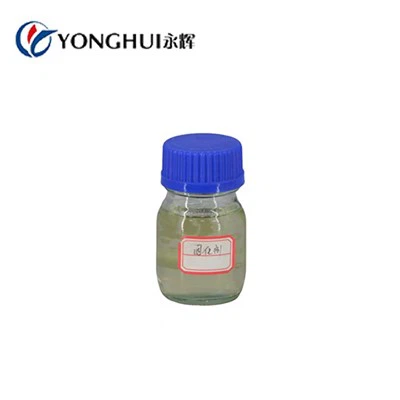


As a supplier of Injection Epoxy Resin, I often get asked about what can be used to thin this type of resin. Injection epoxy resin is widely used in various industries, like electronics, where Electrical Insulating Epoxy Resin is crucial for insulating electrical components; in transformers, Tranformer Epoxy Resin plays a key role; and in casting applications, Casting Epoxy Resin is commonly employed. But sometimes, its viscosity might be too high for specific applications, and that's when thinning becomes necessary.
Why Thinning Injection Epoxy Resin?
Before diving into what can thin injection epoxy resin, let's talk about why we might need to do it. High - viscosity epoxy resin can be difficult to work with. It may not flow easily into tight spaces, which is a big problem when you're trying to fill small gaps in electronic components or make detailed castings. Thinning the resin can improve its flowability, allowing it to reach every nook and cranny, and ensuring a more uniform application.
Common Thinning Agents
Solvents
Solvents are one of the most commonly used agents to thin injection epoxy resin. They work by dissolving some of the resin molecules, reducing the overall viscosity.
Acetone: This is a very popular solvent for thinning epoxy resin. It's easy to find, relatively inexpensive, and evaporates quickly. However, it has some drawbacks. Acetone is highly volatile and flammable, so you need to use it in a well - ventilated area. Also, if you add too much acetone, it can affect the cured properties of the epoxy resin. For example, it might make the cured resin more brittle.
Toluene: Toluene is another solvent that can be used to thin epoxy resin. It has better solvency power than acetone in some cases, which means it can thin the resin more effectively. But like acetone, it's also flammable and toxic. Proper safety precautions, such as wearing gloves and a respirator, are a must when using toluene.
Reactive Diluents
Reactive diluents are a more specialized option for thinning injection epoxy resin. Unlike solvents, reactive diluents actually react with the epoxy resin during the curing process.


Butyl glycidyl ether (BGE): BGE is a common reactive diluent. It can significantly reduce the viscosity of the epoxy resin without sacrificing too much of its mechanical properties. Since it reacts with the resin, it becomes part of the cured network, so there's no issue of it evaporating and leaving voids in the cured resin. However, it can be a bit more expensive than solvents, and it may have some skin - sensitizing properties, so proper handling is important.
Aliphatic glycidyl ethers: These are also reactive diluents that can thin epoxy resin. They offer good flexibility and low viscosity reduction capabilities. They are often used in applications where the cured resin needs to have some degree of flexibility, such as in flexible electrical insulation applications.
Using a Thinning Agent Correctly
When using a thinning agent, it's crucial to follow the right procedure. First, you need to measure the amount of resin and the thinning agent accurately. Adding too much thinning agent can lead to poor - quality cured resin, as mentioned earlier.
Start by adding a small amount of the thinning agent to the resin and mixing it thoroughly. Then, check the viscosity. You can do this by simply observing how the resin flows. If it's still too thick, add a little more thinning agent and mix again. Keep repeating this process until you reach the desired viscosity.
It's also important to note that adding a thinning agent can change the curing time of the epoxy resin. Some solvents can speed up the evaporation process, which might cause the resin to cure faster. Reactive diluents can also affect the curing kinetics, so you might need to adjust your working time accordingly.
Impact on the Properties of the Cured Resin
Thinning injection epoxy resin can have both positive and negative impacts on the properties of the cured resin.
On the positive side, as mentioned before, it can improve the flowability, which leads to better filling and a more uniform application. This can result in a more reliable and high - quality end product.
On the negative side, if not done correctly, thinning can reduce the mechanical strength of the cured resin. For example, using too much solvent can make the resin more brittle. Also, the chemical resistance of the cured resin might be affected. Some solvents can leave behind residues that can react with chemicals in the environment, reducing the resin's ability to withstand chemical exposure.
Compatibility with Different Types of Injection Epoxy Resin
Not all thinning agents are compatible with every type of injection epoxy resin. For example, some epoxy resins are formulated to be used with specific reactive diluents. If you use an incompatible thinning agent, it might not thin the resin effectively or could cause the resin to separate or form a cloudy appearance.
It's always a good idea to consult the resin manufacturer's guidelines before using a thinning agent. They can provide you with information on which thinning agents are recommended for their specific product, as well as the appropriate ratio of thinning agent to resin.
Safety Considerations
When working with thinning agents, safety should be your top priority. As mentioned earlier, many solvents are flammable and toxic. You need to wear appropriate personal protective equipment (PPE), such as gloves, goggles, and a respirator. Work in a well - ventilated area to avoid inhaling fumes.
If you're using reactive diluents, be aware of their potential health hazards, such as skin irritation or sensitization. Follow the safety data sheet (SDS) provided by the manufacturer carefully.
Conclusion
Thinning injection epoxy resin can be a great way to improve its workability and achieve better results in your applications. Whether you choose solvents or reactive diluents, it's important to understand their properties, how to use them correctly, and their impact on the cured resin.
If you're in the market for high - quality injection epoxy resin or have questions about thinning it for your specific application, don't hesitate to reach out. We're here to help you find the best solution for your needs and ensure that you get the most out of our injection epoxy resin products.
References
- "Epoxy Resins: Chemistry and Technology" by Clayton A. May.
- Manufacturer's technical data sheets for various injection epoxy resins and thinning agents.