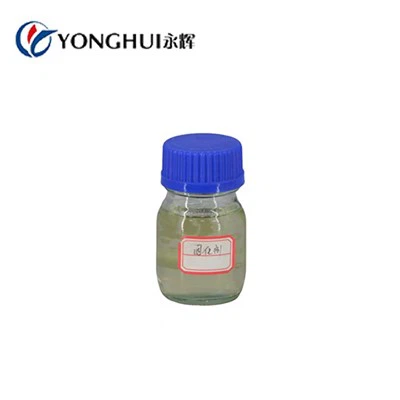


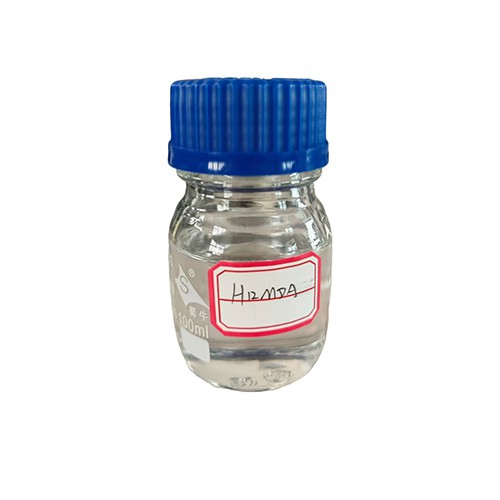
4,4 - diaminodicyclohexylmethane, also known by various names such as H12MDA H12MDA, 4,4′ - Methylendicyclohexanamine 4,4′-Methylendicyclohexanamine, and 4,4 - Methylenebiscyclohexylamine 4,4-Methylenebiscyclohexylamine, is a significant chemical compound with a wide range of industrial applications. As a supplier of this chemical, I have had the opportunity to learn a great deal about its properties, including its odor.
Understanding the Chemical Structure and General Properties
Before delving into the odor of 4,4 - diaminodicyclohexylmethane, it's essential to understand its chemical structure and some of its general properties. This compound has a relatively complex structure, consisting of two cyclohexane rings connected by a methylene bridge, with amino groups attached to the 4 - positions of each cyclohexane ring.
It is a white to yellowish crystalline solid at room temperature. In terms of its physical and chemical properties, it has a melting point typically in the range of 35 - 45 °C and a boiling point around 320 °C. It is soluble in organic solvents such as ethanol, acetone, and toluene, but has limited solubility in water. These properties play a role in how the compound behaves and is perceived, including its odor characteristics.
The Odor of 4,4 - diaminodicyclohexylmethane
Describing the odor of 4,4 - diaminodicyclohexylmethane is not straightforward. It is often characterized as having a strong, pungent, and somewhat amine - like odor. Amines are known for their distinct and often unpleasant smells, and 4,4 - diaminodicyclohexylmethane is no exception.
The pungency of the odor can be attributed to the presence of the amino groups in its structure. Amines have a tendency to interact with olfactory receptors in a way that elicits a strong sensory response. When the compound is in its solid form, the odor may be less noticeable, but as it is heated, melted, or dissolved in a solvent, the odor becomes more pronounced.
Some people may describe the odor as being similar to other aliphatic amines, with a sharp, ammoniacal undertone. However, it also has its own unique nuances. The cyclohexane rings in the structure may contribute to a slightly more complex and perhaps earthy or hydrocarbon - like aspect to the odor, in addition to the basic amine smell.
Factors Affecting the Perception of the Odor
Several factors can influence how the odor of 4,4 - diaminodicyclohexylmethane is perceived.
Concentration
One of the most significant factors is the concentration of the compound. At very low concentrations, the odor may be barely detectable or may be perceived as a faint, musty or chemical - like smell. As the concentration increases, the pungency becomes more intense and can be quite overpowering. In industrial settings where the compound is handled in larger quantities, proper ventilation is crucial to prevent the buildup of high concentrations in the air, which can not only be unpleasant but also potentially harmful to health.

Temperature
Temperature also plays a role. As mentioned earlier, when the compound is heated, the molecules have more kinetic energy, and the rate of evaporation increases. This leads to a higher concentration of the compound in the air, making the odor more noticeable. In a cold environment, the odor may be less intense because the evaporation rate is lower.
Individual Sensitivity
Individual sensitivity to the odor can vary widely. Some people may be more sensitive to the amine - like smells and may find the odor of 4,4 - diaminodicyclohexylmethane extremely unpleasant, even at relatively low concentrations. Others may have a higher tolerance or may not be as bothered by it. This difference in sensitivity can be due to genetic factors, previous exposure to similar chemicals, or individual variations in olfactory perception.
Health and Safety Considerations Related to the Odor
The strong odor of 4,4 - diaminodicyclohexylmethane is not just a matter of personal discomfort; it also has implications for health and safety. The odor can be an early warning sign of exposure to the compound, which is important because 4,4 - diaminodicyclohexylmethane can be harmful if inhaled, ingested, or comes into contact with the skin.
Inhalation of high concentrations of the vapor or dust containing the compound can cause irritation to the respiratory tract, leading to symptoms such as coughing, shortness of breath, and chest tightness. Prolonged or repeated exposure may have more serious health effects, including damage to the lungs and other organs.
When handling 4,4 - diaminodicyclohexylmethane, it is essential to follow strict safety protocols. This includes wearing appropriate personal protective equipment (PPE) such as gloves, goggles, and a respirator. Adequate ventilation systems should be in place to ensure that the concentration of the compound in the air is kept below the recommended exposure limits.
Industrial Applications and the Role of Odor
Despite its unpleasant odor, 4,4 - diaminodicyclohexylmethane has a wide range of important industrial applications.
Epoxy Resin Curing
One of the primary uses is as a curing agent for epoxy resins. In this application, it reacts with the epoxy groups in the resin to form a cross - linked network, which gives the epoxy resin its desirable mechanical and chemical properties. The odor of the compound can be a challenge during the manufacturing process, but proper ventilation and handling procedures can minimize the impact on workers.
Polyurethane Production
It is also used in the production of polyurethanes. Polyurethanes are versatile polymers with applications in foams, coatings, adhesives, and elastomers. The use of 4,4 - diaminodicyclohexylmethane can improve the properties of the polyurethanes, such as their hardness, flexibility, and chemical resistance.
Other Applications
In addition to epoxy resins and polyurethanes, 4,4 - diaminodicyclohexylmethane is used in the synthesis of other specialty chemicals, such as corrosion inhibitors and dyes. In each of these applications, the odor needs to be managed to ensure a safe and comfortable working environment.
Handling and Minimizing the Impact of the Odor
As a supplier of 4,4 - diaminodicyclohexylmethane, we are well - aware of the importance of providing guidance on how to handle the compound to minimize the impact of its odor.
Storage
Proper storage is crucial. The compound should be stored in a cool, dry place, away from sources of heat and ignition. It should be kept in a tightly sealed container to prevent the escape of vapors.
Handling Procedures
When handling the compound, workers should be trained on the proper procedures. This includes using appropriate equipment for transferring and measuring the compound, such as closed - loop systems or pipettes with proper ventilation. If the compound is being heated or melted, it should be done in a well - ventilated fume hood.
Personal Protective Equipment
Always ensure that workers are equipped with the right PPE. This includes respirators with appropriate filters to protect against the inhalation of the compound's vapors or dust, as well as gloves and goggles to protect the skin and eyes.
Conclusion
In conclusion, 4,4 - diaminodicyclohexylmethane has a strong, pungent, and amine - like odor that is a result of its chemical structure. The odor can be affected by factors such as concentration, temperature, and individual sensitivity. While the odor can be unpleasant and pose health risks, with proper handling, storage, and the use of appropriate safety measures, it is possible to work with the compound safely in industrial applications.
As a reliable supplier of 4,4 - diaminodicyclohexylmethane, we are committed to providing high - quality products and comprehensive support to our customers. If you are interested in purchasing 4,4 - diaminodicyclohexylmethane for your industrial needs, we invite you to contact us for further discussions on product specifications, pricing, and handling guidelines.
References
- "Handbook of Industrial Chemistry", various editions, which provide general information on the properties and applications of chemical compounds.
- Safety data sheets for 4,4 - diaminodicyclohexylmethane, which contain detailed information on its physical, chemical, and toxicological properties, including odor descriptions.
- Research papers on the synthesis and applications of 4,4 - diaminodicyclohexylmethane in scientific journals such as the Journal of Polymer Science and Industrial & Engineering Chemistry Research.