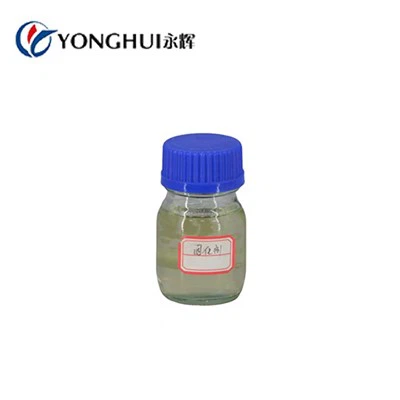


What is the color of Z - 133 Expoxy Resin Curing Agent?
As a supplier of the Z - 133 Expoxy Resin Curing Agent, I often get asked about various properties of this product, and one question that frequently comes up is regarding its color. In this blog post, I'll delve into the details of the color of the Z - 133 Expoxy Resin Curing Agent, its influencing factors, and why it matters in different applications.
Color Characteristics of Z - 133 Expoxy Resin Curing Agent
The Z - 133 Expoxy Resin Curing Agent typically presents as a light - colored substance. Under normal conditions, it has a pale yellow to straw - yellow appearance. This relatively light color is one of its notable features, which is beneficial in many applications where color purity or transparency is important.
The reason for this color range can be traced back to its chemical composition. The Z - 133 Expoxy Resin Curing Agent is formulated with specific chemical compounds that inherently possess certain chromophores. Chromophores are groups of atoms within a molecule that absorb and emit light at specific wavelengths, thereby giving the substance its characteristic color. In the case of Z - 133, the combination of its chemical components results in the absorption of light in the blue - violet region of the spectrum, which causes the reflected light to appear in the yellowish range.
Influencing Factors on the Color
Several factors can influence the exact color of the Z - 133 Expoxy Resin Curing Agent. One of the primary factors is the manufacturing process. During production, the reaction conditions, such as temperature, pressure, and reaction time, can have an impact on the formation of by - products or the degree of polymerization. If the reaction conditions are not precisely controlled, it may lead to the formation of additional chromophores or the alteration of existing ones, which can cause the color to deviate from the normal range.
Another factor is the storage conditions. Exposure to light, heat, and oxygen over time can cause the Z - 133 Expoxy Resin Curing Agent to undergo oxidation or other chemical reactions. Oxidation, in particular, can lead to the formation of colored oxidation products. For example, if the product is stored in a place with high temperatures and direct sunlight, it may gradually darken. Therefore, it is recommended to store the Z - 133 Expoxy Resin Curing Agent in a cool, dry, and dark place to maintain its original color and quality.
The presence of impurities can also affect the color. Even small amounts of impurities, such as metal ions or other foreign substances, can react with the curing agent and cause color changes. During the manufacturing process, strict quality control measures are in place to minimize the presence of impurities. However, in some cases, external contamination during handling or transportation may occur, which can lead to color variations.
Importance of Color in Applications
The color of the Z - 133 Expoxy Resin Curing Agent plays a crucial role in many applications. In the field of coatings, for instance, a light - colored curing agent is often preferred as it allows for better color matching when formulating paints. This is especially important in industries such as automotive and furniture, where the final appearance of the coated product is a key factor. A curing agent with a consistent and light color ensures that the coating can achieve the desired color and finish, enhancing the aesthetic appeal of the product.
In the production of transparent or translucent epoxy products, such as epoxy adhesives used in optical devices or electronic components, the color of the curing agent is of utmost importance. A curing agent with a light and pure color helps to maintain the transparency of the epoxy resin, ensuring that the optical properties of the final product are not compromised. This is essential for applications where light transmission or clarity is required, such as in lenses or display panels.
Comparison with Other Curing Agents
When compared with other curing agents like MDA - 60(4,4 - Methylenedianiline) and DDM (Diaminodiphenylmethane), the Z - 133 Expoxy Resin Curing Agent has a distinct color advantage. MDA - 60 and DDM often have a darker color, which may limit their use in applications where color purity is crucial. The lighter color of Z - 133 makes it a more suitable choice for applications where a high - quality and aesthetically pleasing finish is required.
Quality Control and Assurance
As a supplier of the Z - 133 Expoxy Resin Curing Agent, we place great emphasis on quality control and assurance. We have a comprehensive quality management system in place to ensure that the color of our product remains within the specified range. This includes strict control of the manufacturing process, regular testing of raw materials, and in - depth analysis of the final product.
Our quality control team uses advanced color measurement instruments, such as spectrophotometers, to accurately measure and monitor the color of the Z - 133 Expoxy Resin Curing Agent. These instruments can provide precise data on the color parameters, allowing us to detect any deviations early and take corrective actions.
Conclusion
In conclusion, the Z - 133 Expoxy Resin Curing Agent typically has a light - colored appearance, ranging from pale yellow to straw - yellow. Its color is influenced by factors such as the manufacturing process, storage conditions, and the presence of impurities. The color of the curing agent is of great importance in various applications, especially those where color purity or transparency is required. Compared with other curing agents, Z - 133 offers a distinct color advantage.
If you are in the market for a high - quality epoxy resin curing agent with a consistent and light color, the Z - 133 Expoxy Resin Curing Agent is an excellent choice. We are committed to providing our customers with the best - quality products and services. If you have any questions or are interested in purchasing our Z - 133 Expoxy Resin Curing Agent, please feel free to contact us for more information and to start a procurement discussion.


References
- "Epoxy Resins: Chemistry and Technology" by Clayton A. May.
- "Polymer Science and Technology" by Dominick V. Rosato.
- Technical literature on epoxy resin curing agents from industry sources.